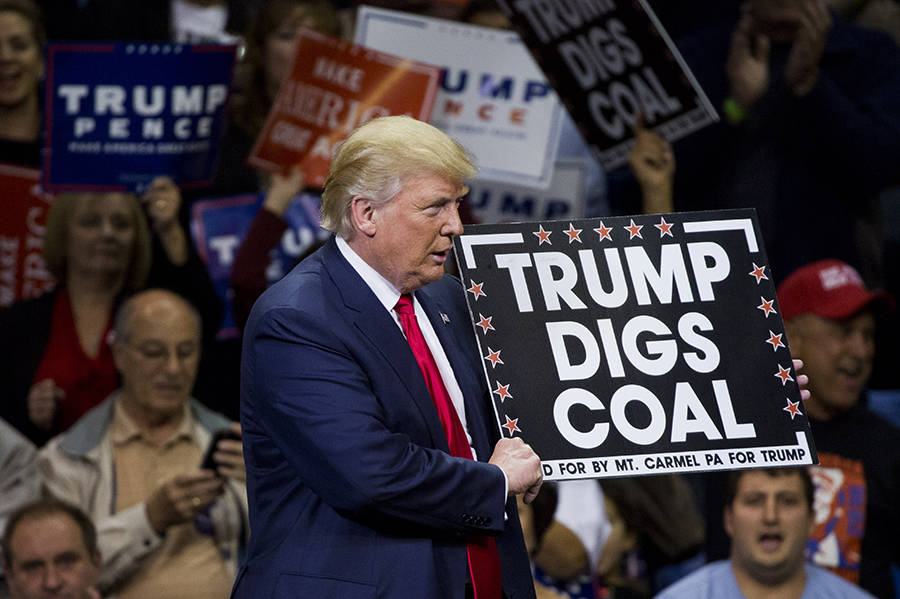


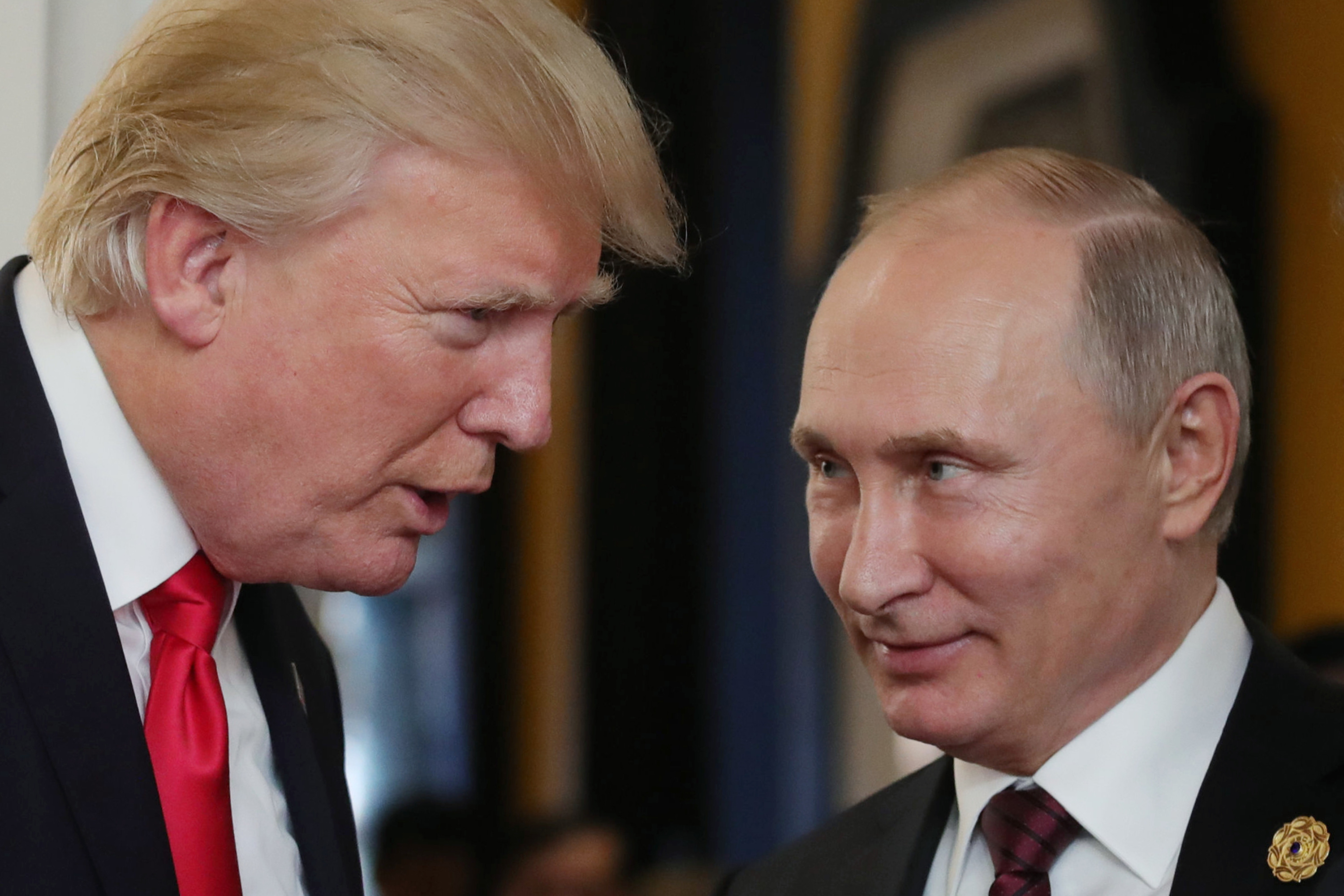
NATO’s first Secretary-General, Lord Ismay, famously said that NATO was to keep the Russians out (of Europe), the Americans in, and the Germans down. Presidents Donald J. Trump and Vladimir Putin making their way toward a largely unscripted and very private meeting in Helsinki is a good time to review Ismay’s formulation. Previous presidents were quite predictable in both their criticisms and praises for the Atlantic Alliance. Forecasting from 2018, however, is seemingly another matter altogether.
Tomorrow, Trump and Putin meet for the fourth time, as the post-NATO 2018 summit analysis is underway, mostly consisting of analysts and policymakers asking what just happened and whether it will matter.
Trump is hardly the first president to complain about and to the allies, but the reality-show television style bullying is indeed alienating the United States from Europe at a key moment of slow but observable geopolitical changes. Add in the Helsinki summit with no real agenda and no way for anyone but the principals to know what goes on in the meeting, and many questions arise as to what Trump wants regarding the international order. Considering these questions, it is worth our time to analyse Ismay’s mission statement.
Keeping Russians Out?
In April 2008, NATO deferred a decision on membership for Georgia and Ukraine until December of that year. In the meantime, Russia’s hybrid warfare against Georgia led to the ongoing stalemate in Abkhazia and South Ossetia. Six years later, Russia annexed Crimea and shifted other parts of Ukraine to its sphere of influence. More recently, the completion of the Kerch Strait bridge linking Russia to Crimea greatly advances Putin’s plan of creating, as research institute Jamestown Foundation puts it, “a multi-layered and multi-level system of defense to counter military encroaches from the air, sea (both surface and underwater) as well as land.” In other words, in Putin’s eyes, the new Crimean status quo is settled.
Under Trump, the U.S. has provided lethal military aid to Ukraine, specifically anti-tank missiles. This hardly changes the balance of power in that conflict and does even less per Crimea. Will Trump affirm the new status quo or challenge Russian expansionism? How will we know?
Keeping Americans in?
Not unlike the previous NATO summit, NATO 2018 saw concern about the U.S.’ commitment to NATO, specifically regarding Article 5, and to trans-Atlantic relations in general. Trump and his administration have offered consoling words in the aftermath of both the G7 and NATO rants. The trend, however, does seem to be towards Trump’s actions weakening the Alliance; even if European defense spending increases, that does not guarantee it is NATO-related.
I do not think the safe bet is on the U.S. withdrawing from NATO nor recalling deployed resources from Europe. However, given Trump’s long history of criticizing trans-Atlantic institutions, we may ask why he emphasizes the forces pulling members apart rather than the commitments agreed to among the allies. The 2014 agreement to move toward a defense expenditure equal to 2 percent of national GDP is one example, as is the 30-30-30-30 agreement forged by U.S. Secretary of Defense Jim Mattis this week. The plan requires NATO to have 30 land battalions, 30 air fighter squadrons, and 30 ships ready to deploy within 30 days of being put on alert.
Publicly stating support for achievements of the Alliance would go a long way in balancing against the focus on negatives, thereby enhancing solidarity in the face of Russian political and military provocations. Yesterday’s indictment against Russian military intelligence officers for their role in interfering in U.S. elections could provide the American president with a strong rhetorical weapon against Putin. Back this up with a more rather than less unified NATO, and the containment of Putin’s “mafia” form of governance is advanced. Will Alliance solidarity and Russian interference be points of contention in the Helsinki summit, or will Trump and Putin further an agenda of dividing the West? How will we know?
Keeping Germans Down?
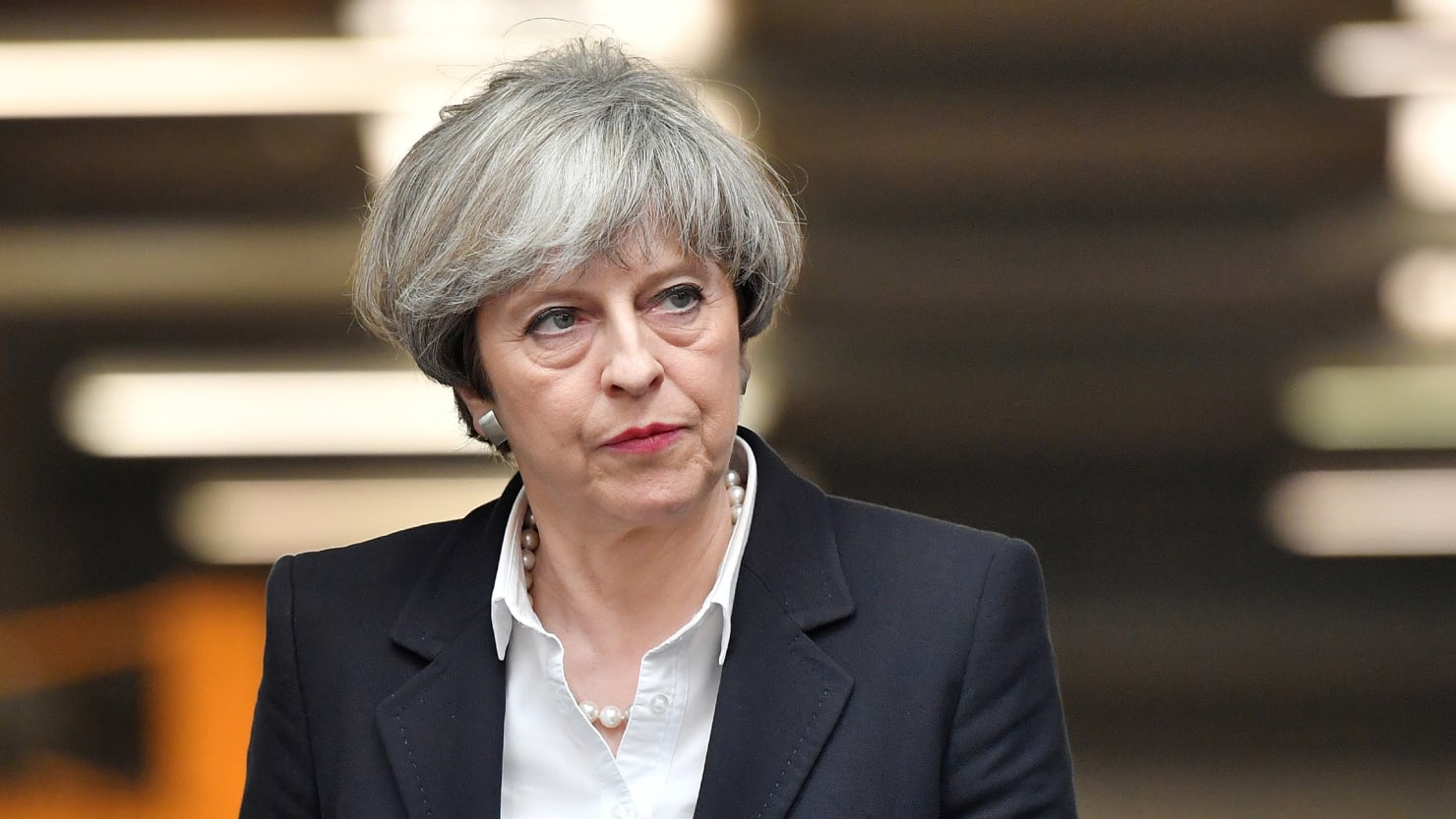
Many forget that NATO’s unstated mission was not just containment of the Soviet Union, but dual commitment, with Germany occupying the second of the duo. In 2018, German Chancellor Angela Merkel faces difficulty managing political challenges at home. If her government falls, Germans will choose a new chancellor via a free and fair process. But what will the current and future German leaders do with their exasperation with Trump, exemplified by his ambassador’s recent comments on internal German politics, claiming he is seeking to “empower” anti-establishment rightwing forces across Europe?
More to the point, Germany will likely adjust its defense budget, but Trump has overblown his emphasis on the percentage-of-GDP formula. It’s unlikely the U.S. will lower its defense budget if the Germans raise theirs, and so the ratio of “contributions” is unlikely to change regardless of what the allies do.
The prospect of a major withdrawal in America’s commitment to European security is unlikely too. However, no German leader would be blamed for thinking of such a future. Merkel undoubtedly yearns for the days of quieter diplomacy with “No-Drama Obama.” Is Germany at all ready to fill the vacuum should the U.S. retreat? Will the U.S. remain the prime guarantor of European security, as part and parcel of its own national security strategy? Will Trump speak as such in conversation with Putin? How will we know?
What Will Happen in Helsinki?
The answer to my ubiquitous question, how will we know what happens in Helsinki, is that obviously we will have only Trump and Putin to rely on, barring leaks from the translators. That leaves post-summitry actions, whether in relation to the topics discussed here or others such as Syria and the Arctic. A ceasefire for southern Syria was agreed on the last time Trump met Putin, but now that has been abandoned as pro-Assad forces have taken the fight to Deraa with no opposition from the United States. What weight will this week’s agreements – if any are procured – have as another year passes? How should the political and military leaders of 29 allies carry out their mission when the heretofore leader is stepping back from the mission? Stay tuned.
Disclaimer: The views and opinions expressed here are those of the author and do not necessarily reflect the editorial position of The Globe Post.