

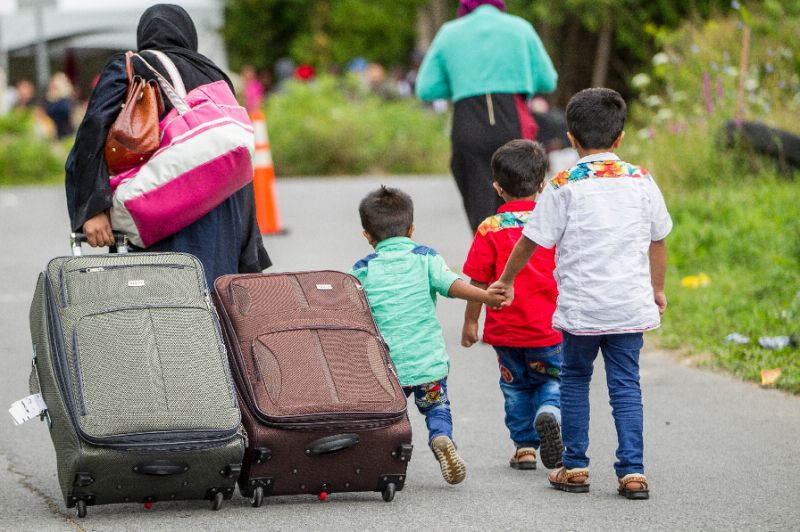
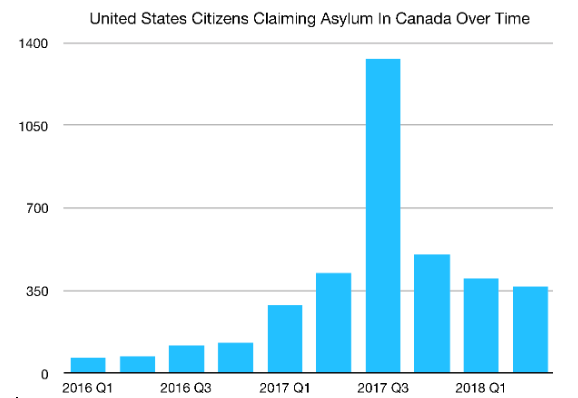
Since 2016, United States citizens have increasingly claimed asylum in Canada, sending more refugees than Iran and Venezuela so far this year.
According to data from the Canada Border Services Agency, there has been a spike in U.S. citizens crossing the border to seek asylum, from 395 in 2016 to 2,550 in 2017. Data for 2018 is incomplete, but already nearly doubles the total number from 2016.
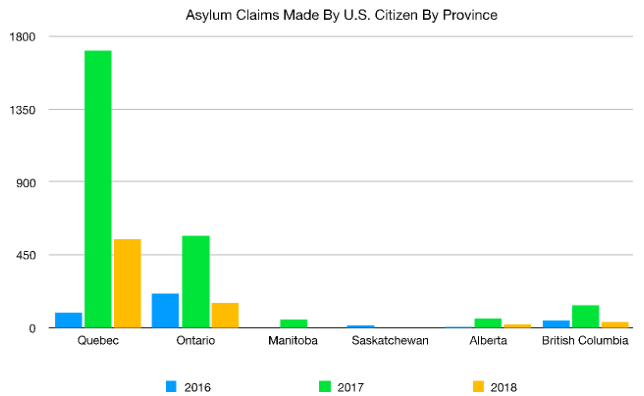
U.S. citizens mostly make asylum claims in the east, particularly Quebec and Ontario. If they are granted refugee protections, they are free to move about the country as they wish.
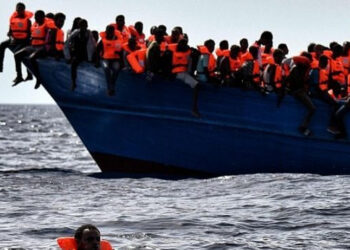
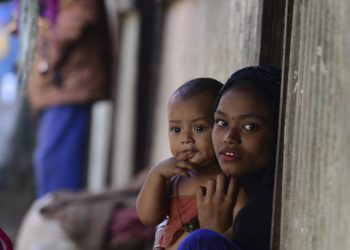
“It’s mixed reasons,” United Nations High Commissioner for Refugees Representative Jean-Nicolas Beuze told The Globe Post, speaking about the motivations that bring refugees from all over the globe to Canada. In 2017, over 20,000 people claimed asylum in the country.
Many, especially those from Haiti, are concerned temporary protections in the U.S. will end. Beuze noted a distinctive increase in arrivals in July 2017, when temporary statuses came into question among political leaders.
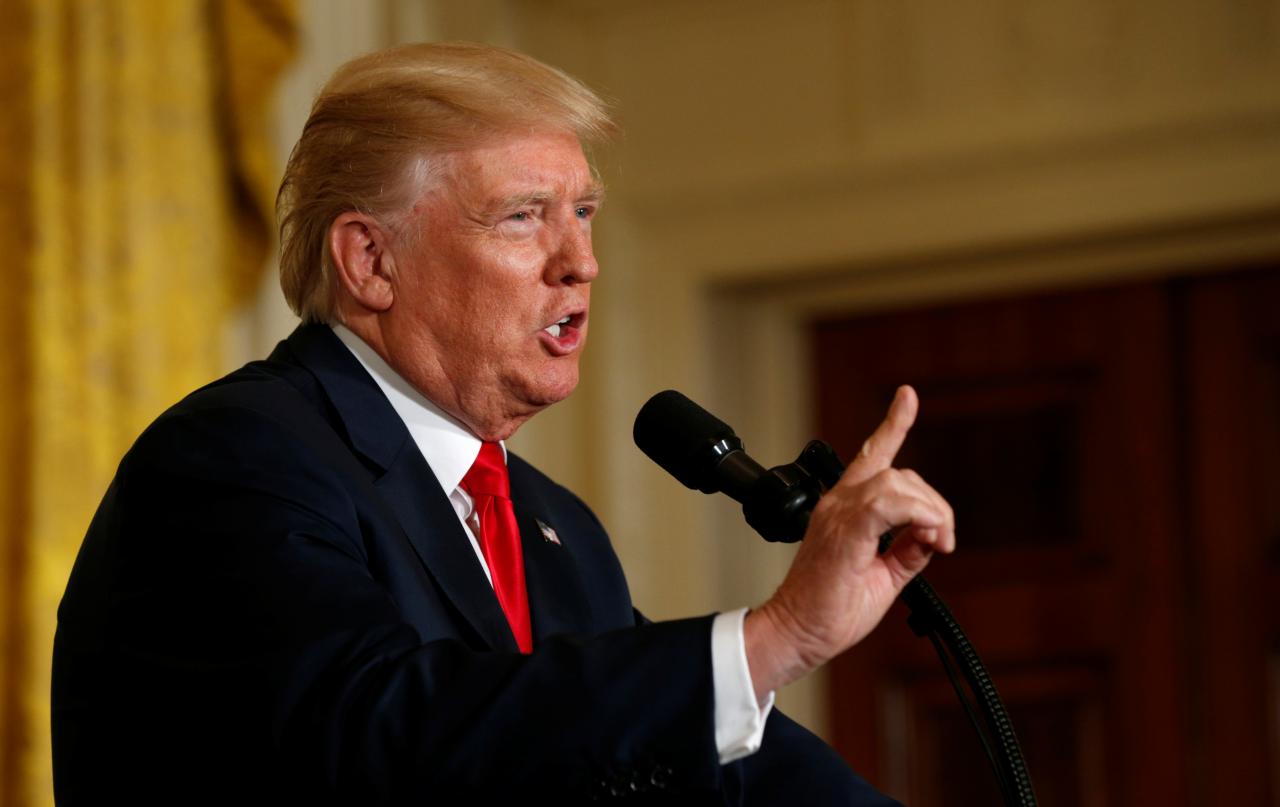
The U.S. Department of Homeland Security may designate a country for the temporary protected status if its citizens are not able to return home safely. The Trump administration eventually ended temporary protected status for Haitians; those currently protected will have to leave or face deportation in one year.
Others come for jobs, language differences or family that has already been established in Canada. These reasons affect all migrants, but some affect U.S. citizens more than others.
“Some don’t feel totally at ease with the rhetoric in the United States about foreign migrants and refugees,” Beuze said. The Trump administration’s comments and policies suggesting some immigrants are dangerous and bad for the country represent a shift in the national outlook since his election.
Some migrants that are U.S. citizens come to stay with their families: “If you are from Haiti, and have children born in the U.S., and you move to Canada, of course you take the children,” Beuze explained.
He noted that while some migrants carefully choose which country to start a new life in, others do not have that luxury.
“When you are desperate to leave your country, of course you take the first door that is open to you,” Beuze said. Refugees often face immediate and extreme violence, being persecuted as a religious, racial or sexual minority; some simply wish to escape the perils of a child marriage or life of destitution.
Because it is usually easier for a migrant to obtain an American visa than a Canadian one, some will use the U.S. as a transit country, usually traveling from New York’s JFK airport to the Canadian border to cross irregularly, or at a point that is not an official port of entry. To claim asylum in Canada without being returned to the country they are traveling from, many migrants avoid official ports of entry entirely.
This is largely due to the Canada-U.S. Safe Third Country Agreement. The legal agreement mandates migrants to claim asylum in the country they first arrive; if a person lands in JFK, they must seek asylum there. There are some exceptions to this policy, such as having family in the second country, unaccompanied minors or is facing the death penalty but not deemed a threat to public safety or human rights.
“A key element underpinning the treaty is the designation of Canada and the United States as safe countries of asylum,” according to an article from the Migration Policy Institute. If the U.S. can be deemed an unsafe country for asylum seekers, the agreement would lose its value.
Since the policy of separating children from their parents at the border, the United States has been under further scrutiny for its practices of handling migrants. Earlier this month, the Canadian Council for Refugees, Amnesty International and the Canadian Council of Churches completed filing evidence alleging that the U.S. is not a safe country for refugees.
“Refugees are treated heartlessly in the U.S. under President Trump: children separated from their parents, long-term detention in horrific conditions, criminal prosecution of people just for crossing the border to seek safety, new policies closing the door on women fleeing gender-based violence,” said CCR President Claire Roque in a press release. “The conclusion is clear: the US cannot be considered a safe country for refugees.”
Alex Neve, Secretary General of Amnesty International Canada, said that a sense of anguish and helplessness over the treatment of refugees in the U.S. has swept over Canada.
“But there is something concrete that Canada can and must do in response,” he said. “Lifting the Safe Third Country Agreement would send an important message that Canada is not prepared to ignore and overlook the mounting human rights crisis faced by refugees and migrants in the United States and that the Canadian government is committed to ensuring that at the United States’ northern border – unlike the southern – regard for human rights will prevail.”
The next case for the hearing is scheduled for January 2019.
Even if the agreement is overturned, it will not change the number of people crossing the border, according to Beuze. He explained that the primary change could be asylum seekers crossing the border approximately three kilometers away from their normal point of crossing; instead of crossing irregularly, they would be able to cross at the port of entry without being turned away.
“I don’t really think it will change a lot,” he said.
He also noted that the migration from the U.S., though increasing over recent years, is “definitely not a crisis,” compared to other mass migrations around the world.