

More than 16 years ago Afghanistan’s destiny changed: the country went from being an isolated Middle Age-driven regime to the one at the center of the world’s attention. The state where rules were once based on survival of the fittest, now discusses human rights and other aspects related to the modern system of governance.
Most Afghans refer to the pre-9/11 Taliban rule as a dark era to which they do not wish to return. Afghanistan has received enormous support from the international community for its development and rehabilitation. Nonetheless, the country still bears the characteristics of a failed state and shows plodding progress. The tenuous security and lack of clarity in the political and socio-economic agenda determine primitive political and economic achievements. This – together with the absence of effective institutions – does not suggest a stable future.
Example of Government Failure
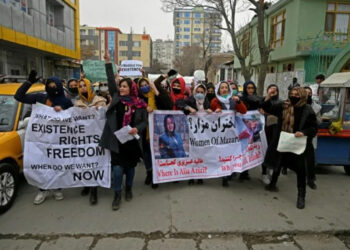
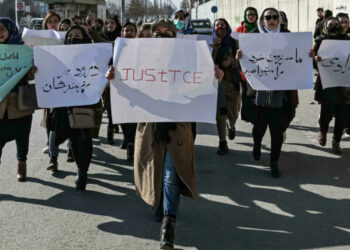
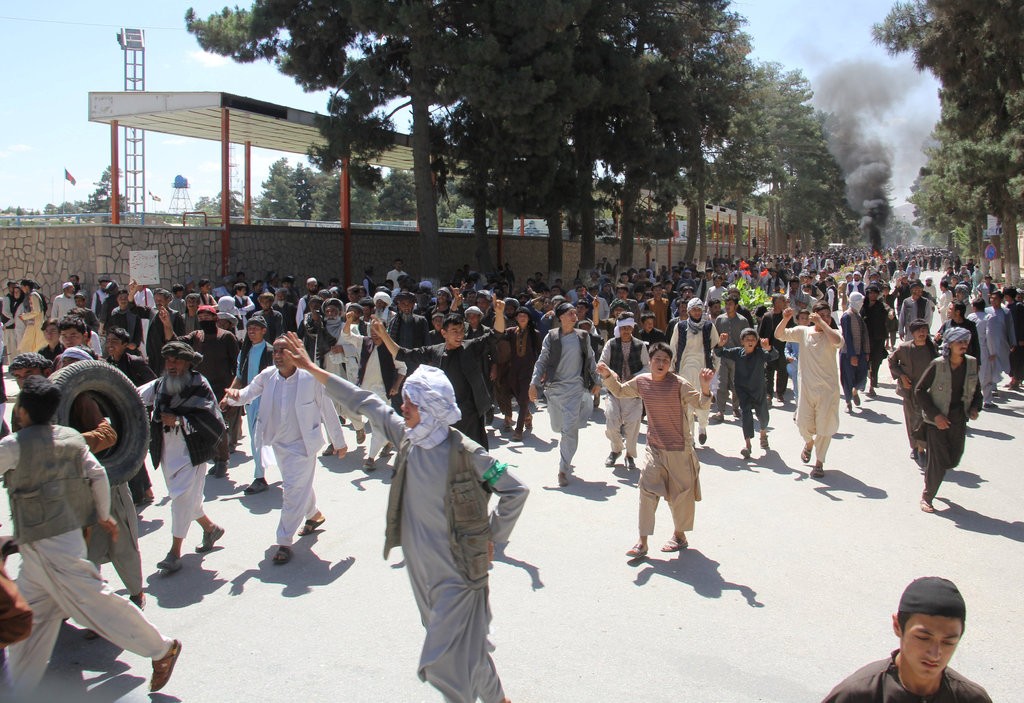
When it comes to the rule of law and cherishing democratic values, Afghanistan’s ordinary men and women have exhibited more political integration than the government, considering the government’s aggression against protestors during the last demonstrations.
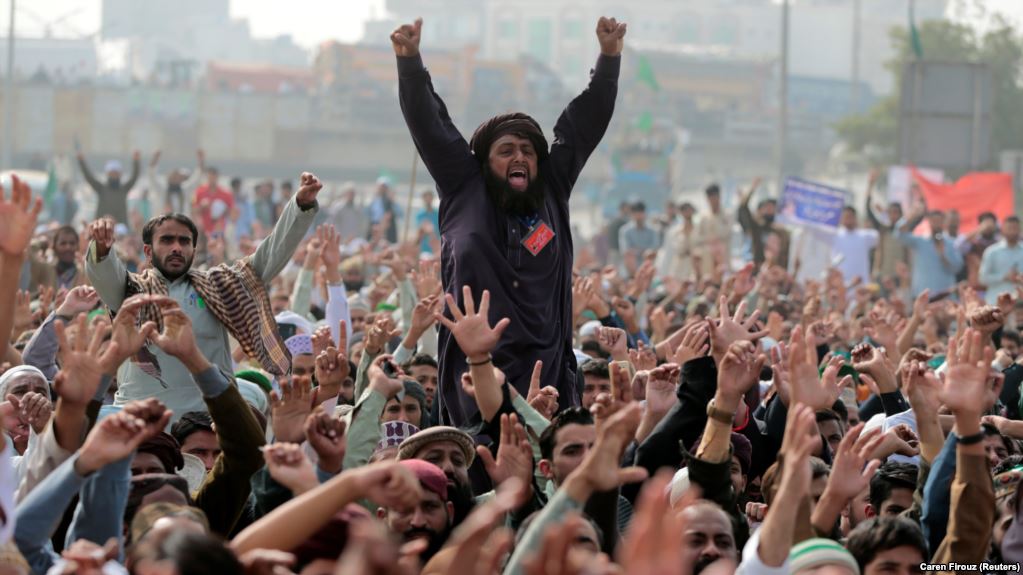
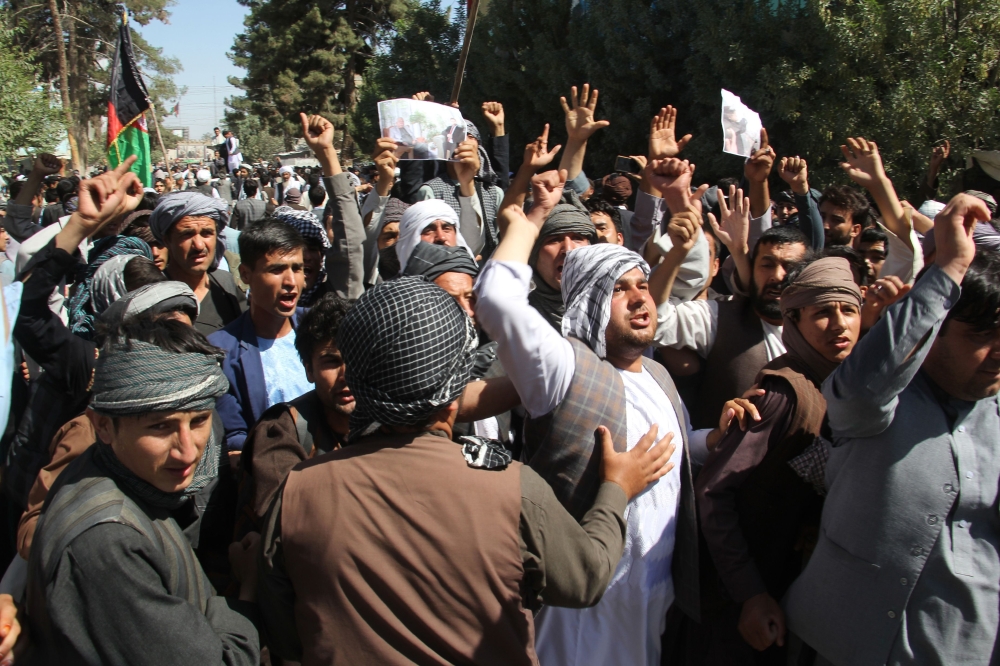
The 20 days of protests, mainly in Northern Afghanistan, demonstrate the protesters’ endorsement of democratic values instead of engaging in armed conflicts which had been prevalent in the past 40 years. Protests sparked when an Uzbek commander and his companions were atrociously tormented while being apprehended by governmental troops.
Ethnicity plays a significant role in Afghan politics, especially after the 2001 Bonn Agreement, in which the core of government participation was set based on ethnicity. Since then elections, governmental offices, the president and his deputies, military and even protests and demonstrations are mostly ethnicized. When the Uzbek commander Nizamuddin Qaisari was arrested and accused of the abuse of power and threatening high-ranked governmental officials, ethnically-motivated protests were initiated, mainly by Turkic people, the ethnic group that includes the Uzbeks. They accused the central government – and in particular the president – of political and ethnic biases against them.
The role of the Turkic people in Afghanistan’s political domain has mostly been emblematic and ceremonial instead of functional and decisive. Hence their effectiveness and political weight have not been sensed very much in the political sphere. The central government assumes the protests are transient, jocular and irreverent and does not take it seriously. However, the demonstrations forced the central government to listen to the protesters. It led to the return of Afghanistan’s first vice president, which was one of their demands.
Changing Population
The protests in Northern Afghanistan indicated an utter change of characteristics among the Turkic people. The demonstrations, which took place in nine northern provinces and the capital Kabul, were one of the longest in the country’s recent political history. Other factors which make these demonstrations phenomenal are the coherence and synchrony of the protesters, who have come from remote areas of the country without organized leadership.
The conclusion that one can draw from the occurrences in the north is that characteristically meek and submissive people are changing into discontent and defiant ones. These changes are the result of hasty, uncalculated governmental policies and the excessive centralization of power mainly by the president and the small team around him. Considering the strategic position of the north with its three main ports, the shift in the people’s behavior would, in case of future clashes, impose nothing but a heavy burden on the shoulders of an already lame and fragile central government.
Excessive Donations for Rule of Law
The world’s most powerful, sophisticated, and mature democratic nations poured money into re-establishing Afghanistan and its infrastructure. The amount spent to rebuild Afghanistan after 9/11, is higher than what it cost to rebuild Europe after the Second World War, even if one takes only U.S. expenditures into account.
In its 2017 report to the U.S. Congress, the Special Inspector General for Afghanistan Reconstruction (SIGAR) pointed out that the U.S. had spent 117 billion dollars on Afghanistan’s reconstruction. It is believed to be the highest expenditure on rebuilding a country in the history of the United States. According to SIGAR, this money has been used to train security forces, construct the government, strengthen and safeguard the rule of law, provide health care and education, and develop the economy. In addition to this U.S. expenditure, European, Asian, and Oceanian countries have generously helped too.
Scattering Results, Old Rituals, and Absence of Solid Opposition
Afghanistan has long been a failed state with a disastrous economy and a very fragile security system. The country has experienced long-lasting internal unrest, been a battleground for proxy conflicts, and the victim of international terror networks. But do all those matters exculpate its political elites from the responsibility of what is happening in the country?
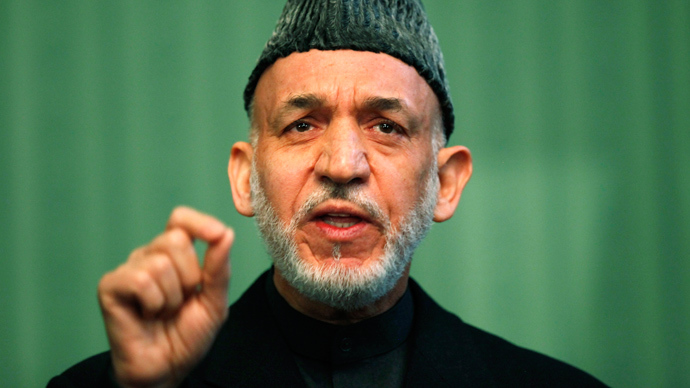
Some Afghan officials, like former President Hamid Karzai, blamed foreigners for the malfunctioning and failure of the reforms in his country. In one of his speeches, Karzai accused the international community of being the source of corruption in Afghanistan.
An ongoing argument is whether chaos, ambiguity, and the influx of corruption are caused by is the presence of foreign agencies or if it is the lack of belief in democratic values and the downplaying of the role of well-structured political and economic institutions by the country’s own political elite. The answer to that might be traceable by looking at the records of the country’s political life and actors in the past one and a half decades.
In Afghanistan, traditional institutions, customs, and rituals have been considered superior to their modern equivalents. Even though former President Karzai is known to be the first ever democratically elected president, his record shows that he is prone to tribal political structures rather than those of a modern state. In his speeches, Karzai has made it clear that he was not inclined to be in any political party. His views were based on the argument that political parties, both pro and anti-Soviet, have played a significant role in the destruction of the country between 1979 and 2002. In a historical context, this might make sense. However, this idea left the nation with a non-partisan but severely centralized government with the president as the head of the state in the center.
It was assumed by the public that as an academic scholar, current President Mohammad Ashraf Ghani believed in the effective role of the institutions, separation of power, the rule of law, and role of political parties. This differs from his predecessor, who was more prone to believe in tribal and traditional structures of government. Nonetheless, the results of Ghani’s last three-and-a-half years in office show that he is inclined to accumulating political and executive power by putting himself in the center.
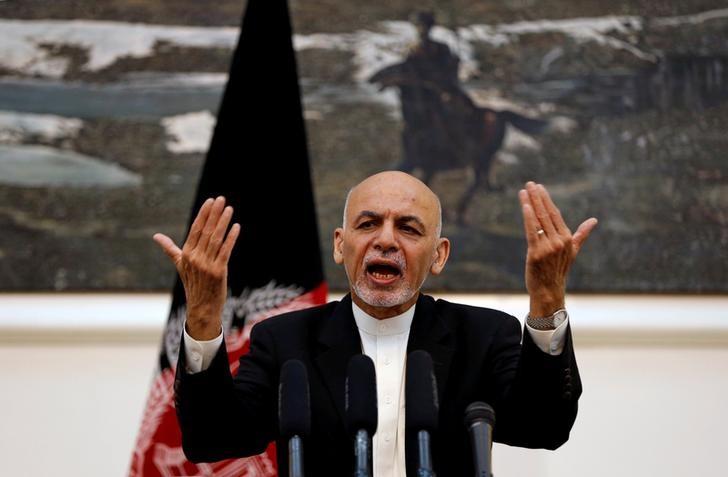
The record of President Ghani’s predecessor shows that in the absence of substantial opposition, the head of the state can govern more freely and implement his own policies effortlessly. Thus, the current president has continued the policy of disregarding the role of political parties and solid opposition.
According to some high ranked officials, Ghani is even more keen to benefit from his supreme title than his predecessor. His opponents within the government accused him of the monopolization and usurpation of power. His first vice president, for instance, complained that he was not included in the process of making state-level governmental decisions. He has stated that the president is undermining the rights that Afghanistan’s Constitution bestows to the first vice president. According to the country’s Constitution (chapter 3, article 60), the first vice president would be the acting president in the absence of the head of state. Since becoming president, Ghani has never enforced this article.
Ghani’s electoral rival and the country’s Chief Executive Abdullah Abdullah accused the president of the accumulation of power by moving away from substantial points of the National Unity government’s agreement. This very agreement was signed with the U.S. mediation in the aftermath of the last election when the involved parties disagreed about the results.
Institutions as Means for Democracy and Prosperity
Research, mainly conducted in neo-democracies and post-autocratic settings, has shown that institutions have an enormous impact on the shape and functionality of political systems, primarily on the separation of power. These surveys also demonstrate that citizens believe the low efficacy of political regimes have to do with the weak and ineffective performance of the institutions and political leaders within them.
Afghanistan’s democratization process, particularly the strengthening of its basis, has not been very successful. Although the country has one of the most modern Constitutions, the overemphasized attention on a sham and imitative democracy left little room for appropriate implementation of its values as required for a transitional country.
As the proponents of constitutionalism, 4th U.S. President James Madison and French philosopher Montesquieu suggested that effective institutions would execute a system of checks and balances to prevent the accumulation and abuse of power. Effective institutions within the system prevent the Constitution from being merely a collection of laws and rights and help construct a system by which the government does not violate those rights and makes sure that various groups are included and empowered.
The results of the Afghan government’s performance indicate that a vague sphere exists in the country’s political realm where there is an inordinate distribution of power. The executive branch acquires an immense amount of power by undermining the other two branches of the trias politica – the legislative and judicial one.
Afghanistan’s Constitution has given excessive power to the president which is problematic, mainly regarding political participation and the rule of law in a multi-ethnic country. Moreover, rigorous centralization of power affects the country’s political, economic, and social structures which leads to ineffectiveness and futileness of political and economic institutions.
One of the consequences of such a malfunctioning system would be inconceivable uprisings like the one started in the north, which could challenge the government with a severe crisis. Nonetheless, the protests also indicate that ordinary people’s awareness of the country’s political condition and its challenges is well developed, even in the most remote areas.
Disclaimer: The views and opinions expressed here are those of the author and do not necessarily reflect the editorial position of The Globe Post.