

This week marks the one-year anniversary of one the most disastrous hurricanes to ever cross U.S. soil: the passage of Hurricane Maria through U.S. territory Puerto Rico. While this week should be one of grief, mourning, and remembrance of those who passed away and admiration for those who have worked nonstop to rebuild the devasted island, this anniversary is being overshadowed by the recent debates about the number of deaths and the perceived lack of adequate response from Donald J. Trump‘s administration.
The discussion occurring is centered around the official death toll of the hurricane. Initially, the Puerto Rican government claimed the death toll was 64, even though basically no one believed this number. An independent study led by Harvard University estimated the number to be 4,500, while a Puerto Rican government-funded investigation by George Washington University appraised the death toll at 2,975. Puerto Rico’s government subsequently adopted this amount as the official number.
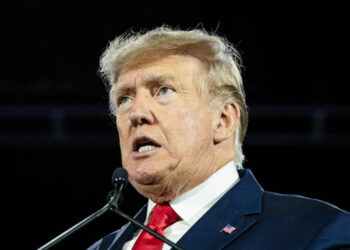
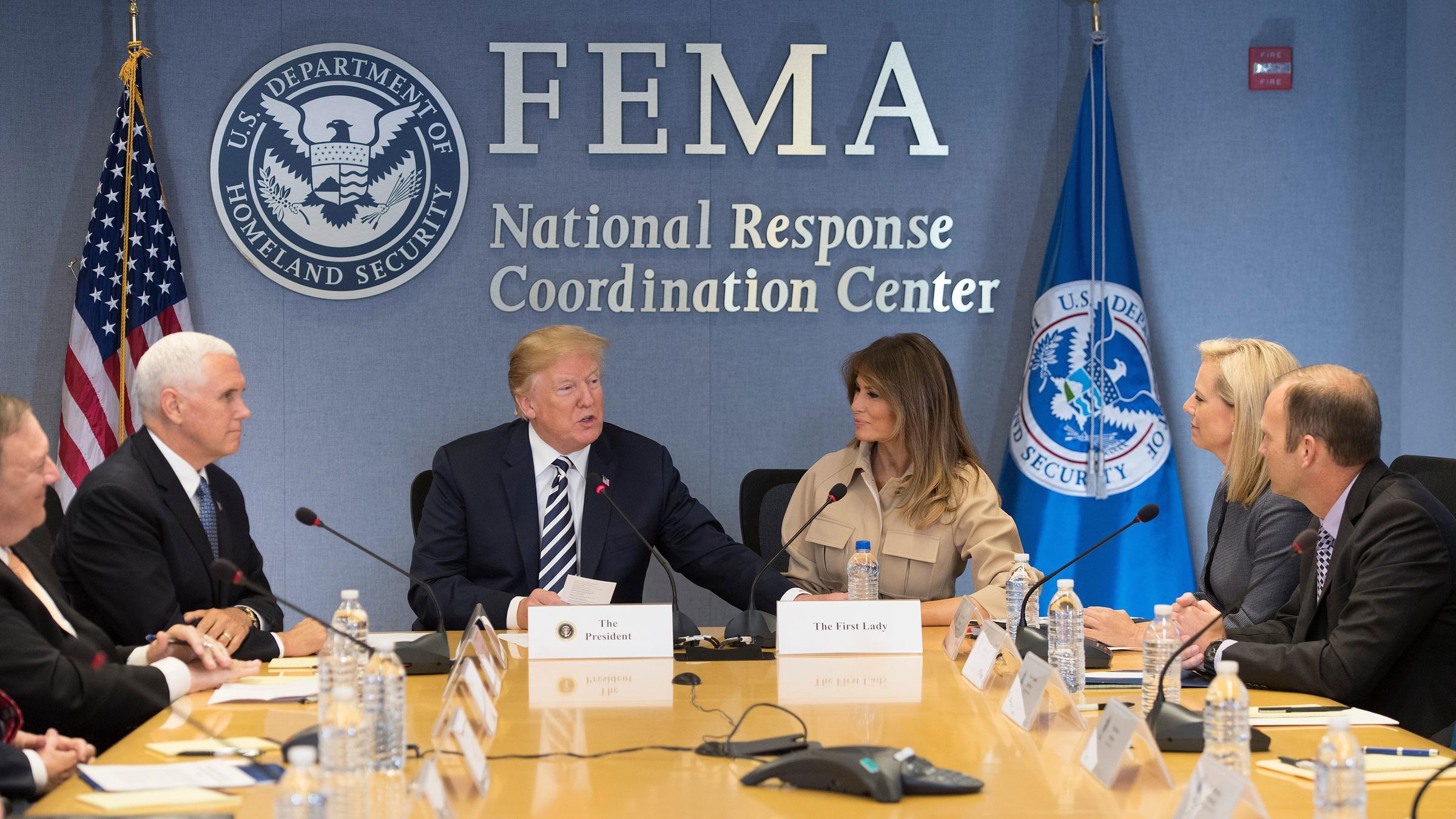
The huge increase of the official death toll alone was not enough to garner much media attention in the U.S. until a reporter asked Trump what the lessons learned were of the disaster response in Puerto Rico. Trump declared that the federal government’s reaction was an “incredible unsung success.” His comments could count on a barrage of criticism, with many attacking the administration for its slow response. The argument around the federal response heated up when Trump sent out a tweet questioning Puerto Rico’s new official number and bizarrely blaming the Democrats for inflating the numbers to make him “look as bad as possible when I was successfully raising Billions of Dollars to help rebuild Puerto Rico.”
3000 people did not die in the two hurricanes that hit Puerto Rico. When I left the Island, AFTER the storm had hit, they had anywhere from 6 to 18 deaths. As time went by it did not go up by much. Then, a long time later, they started to report really large numbers, like 3000…
— Donald J. Trump (@realDonaldTrump) September 13, 2018
…..This was done by the Democrats in order to make me look as bad as possible when I was successfully raising Billions of Dollars to help rebuild Puerto Rico. If a person died for any reason, like old age, just add them onto the list. Bad politics. I love Puerto Rico!
— Donald J. Trump (@realDonaldTrump) September 13, 2018
Instead of focusing on what happened in the aftermath of the hurricane to learn what actions are needed for a more effective response next time, the debate has been turned into another bashing of Trump. His tweets are undoubtedly ridiculous: nobody in their right minds denies that the death toll was high or believes that the federal response was sufficient. However, the analysis should go deeper than just partisan bickering to examine Puerto Rico as a test case in a fair context.
Earlier this month, the U.S. government released a report on the federal response to 2017 hurricanes and wildfires in the country. On the opening page, the report states that the Federal Emergency Management Agency’s (FEMA, responsible for the coordination of disaster response) efforts in Puerto Rico were the “largest and longest single response in the agency’s history.” It acknowledges how unprepared FEMA was in dealing with the disaster’s magnitude and that the agency did not have enough staff available. The report questioned the training of the teams that were sent to Puerto Rico. They weren’t qualified, and there was a lack of bilingual speakers.
The report highlighted factors that complicated the response. The distance between Puerto Rico and mainland America, the limited transportation, particularly in the air, the destruction of major roads, and the lack of major military assets made a quick response difficult.
It holds true that the first responder to a natural disaster is the local government. It also holds true that from the local municipality up to the state government, Puerto Rican officials were not prepared to deal with the scale of Hurricane Maria. This is a key factor in analyzing the federal response: because Puerto Rico’s government failed to handle the situation, FEMA had to take care of responsibilities that are local instead of federal, such as providing financial support to municipalities and leading the restoration of power and communication services.
The bad infrastructure on the island and the lack of investment in power and communications grids made a slow restoration of services inevitable. Because of Puerto Rico’s weak economy, its government did not have the resources to prepare and sustain the recovery and restoration without support from federal funding.
We must judge the federal response under these circumstances. FEMA managed to provide much-needed supplies, power generators, and funds for the bankrupt Puerto Rican government. However, the response was not enough. The agency lacked trained personnel, underestimated the deteriorated infrastructure, in particular, the power and communications services, and failed to understand the scope of the disaster adequately. This resulted in the passing of precious weeks before FEMA and the federal government stepped up the aid.
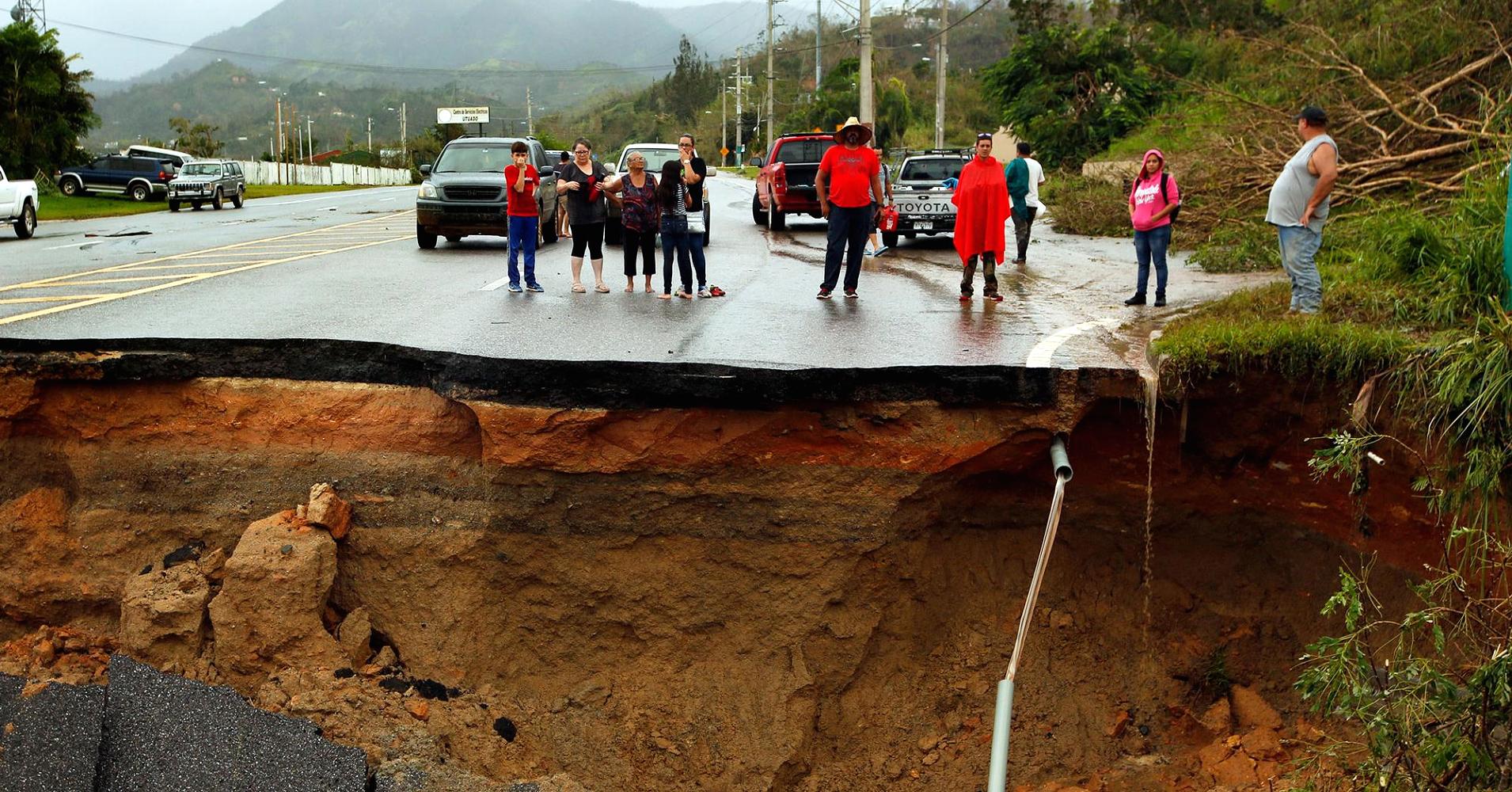
Nobody could have predicted the amount of damage that Hurricane Maria caused. No serious funding and supplies reserves, and the lack of communication equipment made the Puerto Rican government collapse. This meant that the federal response, which needs to be coordinated with local agencies, was a one-sided operation. The absence of communication and power exacerbated the situation, delaying recovery and restoration efforts. To those of us who lived through the disaster, it is clear that many in Washington DC didn’t do enough or weren’t aware of the crisis the island was facing. If the territory would have been a state with congressional and presidential votes, Trump’s administration would have been more imaginative and forthcoming in its response.
Another conclusion we can draw from Hurricane Maria is that FEMA needs a major overhaul. The agency’s operations, its process for helping victims, and the time the organization takes to disburse or reimburse money to local governments should be questioned. FEMA’s breathtaking incompetence shown not only during Maria but also during Hurricanes Katrina and Andrew should give an impulse to think: maybe it is better to give local and state governments the primary responsibility of disaster response, supported by federal funds.
Undeniably, this is a clear example of how the lack of local preparation and federal understanding of the scope of a disaster led to the loss of so many lives. FEMA’s response was adequate but definitely not an “unsung success” as Trump claims it to be. That claim is nothing less than an insult to the memory of the many victims of Hurricane Maria.
Disclaimer: The views and opinions expressed here are those of the author and do not necessarily reflect the editorial position of The Globe Post.