
• About Us
  • Who Are We
  • Work With Us
Tuesday, March 17, 2026
No Result
View All Result
The Globe Post
39 °f
New York
44 ° Fri
46 ° Sat
40 ° Sun
41 ° Mon
No Result
View All Result
The Globe Post
No Result
View All Result
Home Opinion

High Cost of Silence: Khashoggi and Women’s Rights Activists in Saudi Arabia

Nermin Allam by Nermin Allam
10/26/18
in Opinion
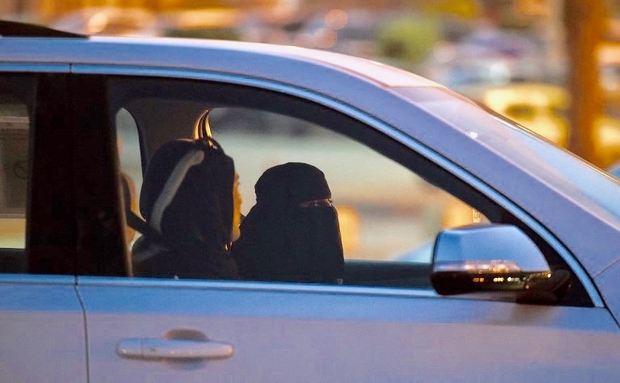
A Saudi woman sits in the driver's seat in Riyadh, Saudi Arabia

Less than a month before Saudi Arabia was due to lift the ban on women's driving, the authorities arrested feminists who campaigned for women's rights to drive. Photo: Fayez Nureldine, AFP

16
SHARES
Share on FacebookShare on Twitter

For more than two weeks, Saudi officials denied that they had played any role in the disappearance of Jamal Khashoggi, the Saudi journalist and pointed critic to crown prince Mohammed bin Salman. Khashoggi was last seen earlier this month entering the Saudi consulate in Istanbul, Turkey. After unrelenting global scrutiny, the Saudi officials admitted that the 59-year-old journalist had been “accidentally” murdered inside the consulate during a fight with his assailants. The assailants, the officials claimed, were part of a rogue operation. Needless to say, the claim was met with widespread skepticism.

Khashoggi’s murder took place inside a consulate, on a foreign soil, outside the tight and close sphere of influence of the monarchy – even if the consulate is conventionally regarded as Saudi sovereign territory.

The blatant assassination raises the question as to what happened and continues to happen to women’s rights activists who were jailed in Saudi Arabia, earlier this year. The murder of Khashoggi should cast a new light on these activists imprisoned under the tight control of the monarchy and away from the scrutiny and attention of the international community.

Earlier this year, less than a month before the Kingdom was due to lift the ban on women’s driving, the authorities arrested feminists who campaigned for women’s rights to drive. The list of detained activists included high profile feminists such as Samar Badawi, a recipient of the U.S. International Women of Courage award, and Loujain al-Hathloul, a vocal Saudi activist who since 2014 has been arrested numerous times for defying the ban on women driving.

Limits of State-Sponsored Feminism

Similar to Khashoggi, the female activists challenged the image of the “reformist” crown prince – an image that he carefully cultivated to impress the Western audience. The monarchy silenced women’s rights activists to stop them from exposing the facade surrounding these “reforms.”

The crown prince has presented himself as a reformer since coming to power in 2015. Besides lifting the ban on women’s driving, he granted women the right to vote and run for elections in 2015 and eased male guardianship laws, under which women are required the permission of a male guardian to work, travel, or marry.

The reform and detention campaigns are intimately linked to Mohammed bin Salman’s model of state-sponsored feminism. Under this model, the crown prince moved to co-opting women’s rights issue to appeal to the Western audience and to consolidate his power amid a shifting economic and political landscape.

By lifting the ban on women’s driving, females are encouraged to join the workforce and the Kingdom ostensibly appears to be modernizing society. The reforms thus contribute to polishing the Kingdom’s international image and appealing to Western investors.

However, the reforms do not necessarily open up space for feminists given the restrictions imposed by Mohammad bin Salman’s sponsored feminism. The crown prince silences activists and excludes them from the discussions to tie advancements in women’s rights to his legacy. His policies weaken the ability of women’s groups to organize and press for further reforms.

Silence of International Community

While there was a global media outcry following the jailing of female activists, the silence of governments in the West and the Middle East was deafening. Canada was one of the few countries to condemn the arrest campaign of women’s rights activists. Saudi officials responded by cutting all economic and diplomatic ties and threatening to withdraw their investments. Other governments remained silent to protect their mutual interests and/or seal their arms deals with the powerful Saudi crown prince.

The silence of different governments over the jailing of women’s rights activists earlier this year contributed to creating a sense of impunity among Saudi officials. It paved the way for the next crude political hit: the murder of Jamal Khashoggi.

The clumsiness within which Khashoggi’s murder was carried out underscores the sense of impunity among Saudi officials. The brutal and blunt assassination also marks the high cost of silence in the face of human rights violations. Silence, needless to say, is complicity.

Disclaimer: The views and opinions expressed here are those of the author and do not necessarily reflect the editorial position of The Globe Post.

Share16Tweet
Nermin Allam

Nermin Allam

Assistant Professor of Politics at Rutgers University-Newark. Before joining Rutgers, Allam held a Social Sciences and Humanities Research Council of Canada postdoctoral fellowship at Princeton University

Related Posts

Saudi Crown Prince Mohammed bin Salman
Opinion

Can the UN Human Rights Council Protect Rights While Abusers Sit at the Table?

by Mandeep Tiwana and Sigrid Lipott
October 28, 2024
Delegation on the river Seine, Saudi Arabia during the Opening Ceremony of the Olympic Games Paris 2024
Opinion

Risky Business in Saudi Arabia’s Bid for the 2024 World Cup

by Mustafa Qadri
August 1, 2024
Hajj, the religious pilgrimage for muslims will be dramatically scaled back this year and will include social distancing measures.
World

Death Toll Tops 1,000 After Hajj Marked by Extreme Heat

by Staff Writer with AFP
June 21, 2024
A woman stocks a bathroom with free pads and tampons
World

Vienna Drugstores Offer Free Period Products for Women in Need

by Staff Writer
October 12, 2023
Activists stage a protest to denounce discrimination against women on public transport in Bnei Brak, near Tel Aviv
Featured

Israeli Women Protest Gender Segregation on Public Transport

by Staff Writer
September 19, 2023
Ethiopian migrants hold items as they walk out during an assistance packages distribution for migrants at an International Organization for Migration (IOM) center in the city of Hargeisa, Somaliland
Refugees

Saudi Border Guards Killed Hundreds of Ethiopian Migrants: HRW

by Staff Writer
August 21, 2023
Next Post
Donald Trump

Suspect in Custody Over Mail Bombings as Trump Complains About Republican 'Momentum'

Benjamin Netanyahu

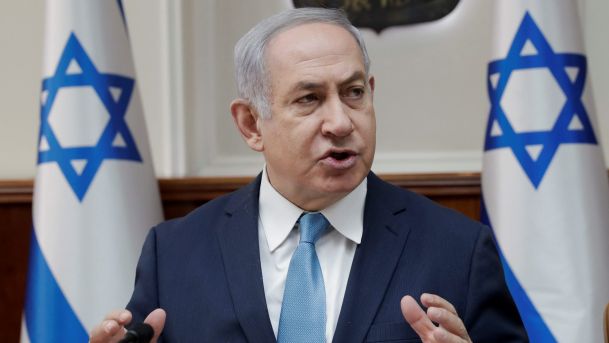
Israeli Prime Minister Visits Oman for First Time in Two Decades

Recommended

Miguel Diaz-Canel

Trump Says Cuba Wants ‘Deal’ With US

March 16, 2026
Russian President Vladimir Putin

Moscow Pushes US to Ease More Oil Sanctions

March 13, 2026
An Iranian woman walks past an anti-US mural painted on the wall of the former US embassy in Tehran on November 19, 2011

How Is Trump’s ‘Freedom’ War Seen by Those It Aimed to Help?

March 11, 2026
A Cuban street with a flag

Cuba Through a Pulse: Intimacy, Poverty, and the Shadow of Revolution

March 10, 2026
An aerial view of the Beirut port after the explosion. The blast created a 140 meter (460 feet) wide crater that has since filled with sea water. Photo: AFP.

Water Emerges as a Dangerous New War Target

March 9, 2026
Plumes of smoke rise following reported explosions in Tehran on March 1, 2026, after Iran's supreme leader, Ayatollah Ali Khamenei, was killed a day earlier in a large US and Israeli attack, prompting a new wave of retaliatory missile strikes from Iran.

War in the Middle East: Latest Developments

March 5, 2026

Opinion

A Cuban street with a flag

Cuba Through a Pulse: Intimacy, Poverty, and the Shadow of Revolution

March 10, 2026
An Iranian walking in front of a wall painting of the Iranian flag in Tehran

Iran Can’t Dominate the Middle East Without Iraq

January 13, 2026
US President Donald Trump

Vladimir Trump and Blood for Oil

January 5, 2026
A trial COVID-19 vaccine

America’s Global Health Retreat Is a Gift to Its Rivals

November 12, 2025
Israeli Prime Minister Benjamin Netanyahu

UN Might Tolerate Netanyahu, and White House Might Welcome Him, But He’s Still Guilty of Genocide

September 30, 2025
Former President Donald Trump speaks at a Fox News Town Hall

Cruelties Are US

August 25, 2025
Facebook Twitter

Newsletter

Do you like our reporting?
SUBSCRIBE

About Us

The Globe Post

The Globe Post is part of Globe Post Media, a U.S. digital news organization that is publishing the world's best targeted news sites.

submit oped

© 2018 The Globe Post

No Result
View All Result
  • National
  • World
  • Business
  • Interviews
  • Lifestyle
  • Democracy at Risk
    • Media Freedom
  • Opinion
    • Editorials
    • Columns
    • Book Reviews
    • Stage
  • Submit Op-ed

© 2018 The Globe Post