

As Guatemala and the US have been under strict “stay at home” orders, the displaced, deported, detained, those awaiting asylum hearings, and those hoping to flee violence have seen their vulnerability skyrocket.
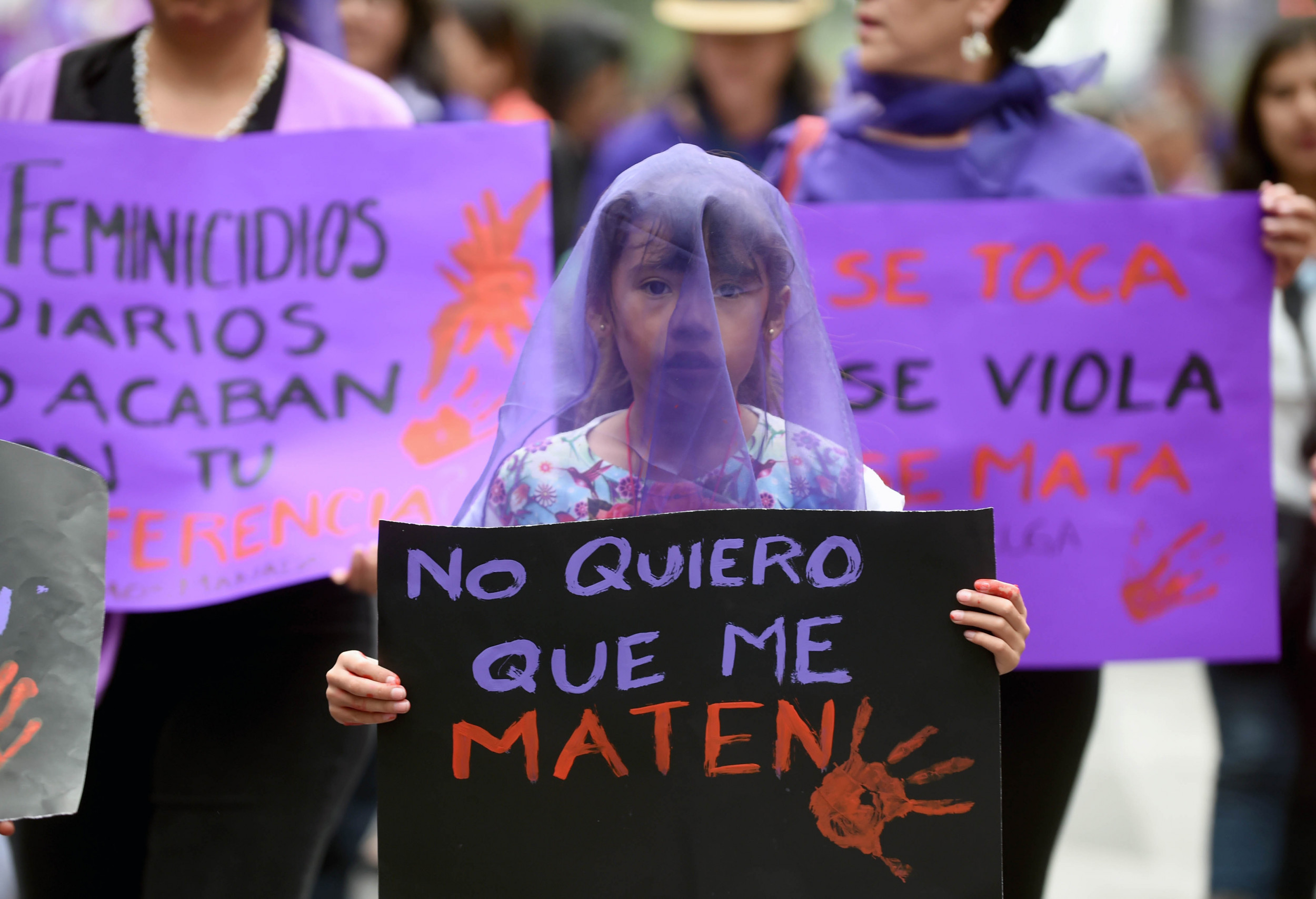
The New York Times cited a sharp uptick in domestic violence globally, but in Guatemala, gendered violence reports have decreased significantly. This is not because violence has actually reduced, but rather because women have been silenced.
For indigenous and other women in Guatemala who have experienced violence – whether at home, work, in public, or their communities – there are fewer places to flee to.
While Guatemala is under curfew orders and stay at home decrees, the few shelters that existed were shut down. Complaints filed about violence against women fell by over 75 percent during the first two weeks of the quarantine.
Guatemala’s Indigenous Women and Gendered Violence
Last summer, with my research colleague Dr. Erin Beck and local indigenous collaborators, I carried out focus groups with indigenous women on their strategies when confronted with gendered violence. Those who shared that they would not go to the police, local officials, or local justices – often because of terrible past experiences – nevertheless said that they would seek help from local NGOs, churches, friends, or relatives. In some cases, they would seek help from a women’s organization in the regional capital.
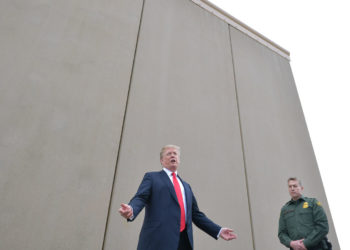
The Trump Admin knows the dangers asylum-seekers face in Guatemala – rampant violence against women, killing of indigenous populations, and gang violence.
They are demanding that asylum officers knowingly deport these migrants to their possible death.https://t.co/lp4jnDr9vT
— Congressional Hispanic Caucus (@HispanicCaucus) November 24, 2019
Now, under lockdown orders, women cannot leave their homes, let alone make the trip to the regional capital. “Shelter in place” and strictly enforced curfews cut off these forms of support and access to assistance.
In Guatemala, as elsewhere, the ordinary, every-day obstacles to formal and informal support and justice for survivors of gendered violence are even more sharply amplified.
Fleeing Home
As of June 30, 262,548 Guatemala immigration cases are pending in the US, primarily for asylum. Many of them are indigenous women. Immigration courts have been closed to most cases since early April.
For indigenous women in Guatemala unable to report violence for a variety of reasons, and those awaiting asylum in the US unsure about work, their ability to procure food and housing, the spaces of literal and embodied incarceration have multiplied in the pandemic.
Indigenous women from Guatemala and elsewhere have been fleeing their home countries in increasing numbers in the past decade. The complex series of circumstances that produce high levels of migration, together with COVID-19, extend the detention experience of women refugees in many spaces in their lives.
Even after being released from ICE detention, the electronic tracking bracelet marks them as deportable in all contexts: in public spaces, when walking around town or putting their children in school, and as they are shopping.
In the past few months, the US has begun emptying detention facilities by deporting people directly back to their country of origin. The US has deported people to Guatemala who tested positive for COVID-19, making them possible targets of violence again in their own country and deporting the virus with them.
Role Models
Orders to shelter in place in the US greatly limit access to medical care, work, social services, and immigration courts for hearings for indigenous refugees. The pandemic has extended the incarceration of indigenous women refugees in many forms.
Women have borne the brunt of the economic disruption caused by #COVID19. At times of crisis, gender balanced leadership becomes even more important to avoid measures that disproportionately impact women. #IMFGender https://t.co/lmH04D3syp pic.twitter.com/uXpO91i3H0
— IMF (@IMFNews) July 4, 2020
Practices of elimination of indigenous peoples link the US and Guatemalan states to histories of genocide, invasion of indigenous lands, extractivism, and militarization. American foreign policy from the 1950s to the present has supported these ongoing processes in Guatemala and is now coupled with immigration policies that seek to eliminate access to asylum for Guatemalan indigenous refugees and many others from around the world.
These histories and policies come together in the bodies of indigenous women refugees such as those I study and work with and for.
As role models for the rest of us, however, they continue to persevere and build survival strategies – evidence of strength, resilience, and creativity.
Disclaimer: The views and opinions expressed here are those of the author and do not necessarily reflect the editorial position of The Globe Post.