

In 2016, the world hailed the peace accords that saw Latin America’s most fearsome guerrilla group lay down arms to end a devastating, near six-decade conflict in Colombia.
But five years on, the peace remains fragile and violence endemic.
The accords dramatically slowed the national homicide rate.
Some 3,000 people per year were killed on average over more than five decades as a direct result of the conflict, according to Hernando Gomez Buendia of the Razon Publica news site.
In 2017, this number dropped to 78.
Overall, Colombia’s homicide rate before 2012, when peace talks began, was about 12,000 per year — those directly linked to the conflict and not, Juan Carlos Garzon of the Ideas for Peace Foundation told AFP.
From 2013 to 2016, it dropped to about 9,000 per year.
But the rate is on the rise again as Colombia experiences its most violent period in years.
“The bad news is that between January and September 2021, we are again at the level of 10,500 homicides,” said Garzon.
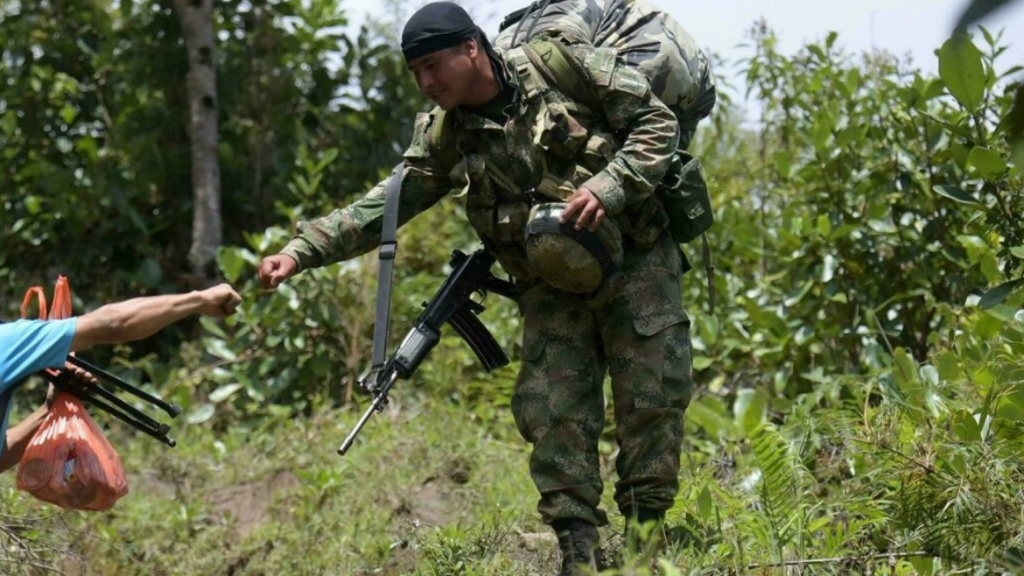
Despite the dissolution of the Revolutionary Armed Forces of Colombia (FARC), thousands of dissidents battle rivals for control of drug fields, illegal gold mines and lucrative smuggling routes.
According to the Indepaz peace research institute, there are 90 armed groups with some 10,000 members active in Colombia.
They include more than 5,000 FARC dissidents who rejected peace, some 2,500 members of the National Liberation Army or ELN — the country’s last active guerrilla group, and another 2,500 rightwing paramilitary fighters.
Last month, the UN warned that the deteriorating security situation represented a “considerable challenge” to the country’s 2016 peace accords.
“The disarmament of FARC has produced a power void… that has benefited other armed actors,” said Garzon.
Narco wars
The accords signed on November 24, 2016 promised to bring peace to a country traumatized by years of violence.
But things got off to a rocky start: Just days before the signing, 50.21 percent of Colombians rejected the deal in a referendum — a setback that required last-minute adjustments to the document and deeply divided the country.
The justice promised in the more than 300-page peace deal for hundreds of thousands of victims of the conflict is yet to come.
A special tribunal set up to try the worst atrocities has charged former FARC commanders with the kidnapping of at least 21,000 people and the recruitment of 18,000 minors.
Senior military officials have been charged with killing some 6,400 civilians presented as guerillas.
No verdicts have yet been passed.
The tribunal has the authority to offer alternatives to jail time to people who confess their crimes and make reparations to victims — a system some fear will let criminals get off scot-free.
“The peace process has served the culprits, but it has not served the victims of the FARC,” police general Luis Mendieta, held hostage by the rebels for 12 years, told AFP.
“We are cooperating… but it was a war of more than 50 years and solving it in one, two or three years will not be possible,” said ex-guerilla-turned senator Sandra Ramirez.
Return to criminal life
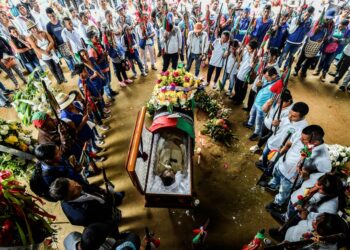
Former combatants of the FARC, which has since transformed itself into a minority political party, have also paid a heavy price: some 293 have been killed since the signing of the accords, either by rival groups or their dissident former brothers in arms.
Others, like FARC commander Ivan Marquez who helped negotiate the deal, took up arms again.
The deal also has not brought an end to Colombia’s vast and violent narcotrafficking problem, with many of those who signed the pact having “returned to criminal life” as “coca grew exponentially,” according to President Ivan Duque in a recent interview with AFP.
The document encouraged the voluntary substitution of illicit crops — mainly coca used in cocaine-making — with legal ones, but farmers complain that they have not received any help.
Colombia remains the world’s biggest producer and exporter of cocaine.
In the cities, too, violence is rife amid high levels of unemployment and poverty, with a recent wave of often deadly robberies that prompted the government in September to deploy some 1,500 soldiers to assist police in crime prevention.
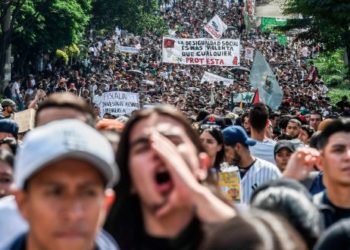
In May, violence also marred anti-government protests that were brutally put down by the police and soldiers.
More than 60 people were killed in weeks of clashes and a clampdown condemned by the UN, United States, European Union and international rights groups.