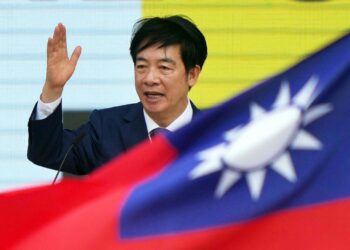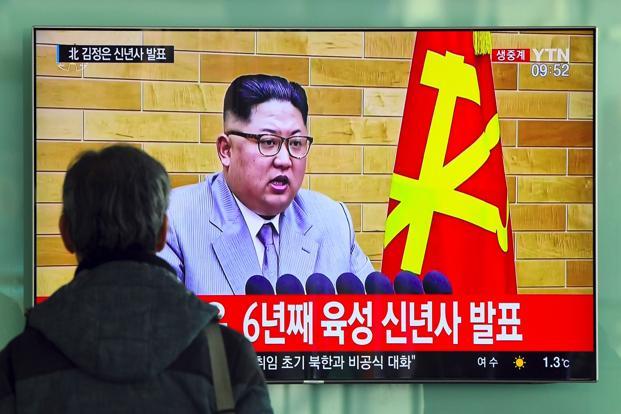


Chinese leader Xi Jinping held a grand ceremony on April 8 to celebrate the success of the Beijing Olympics. Perhaps it is just because of the “success” Xi was bragging about that modern Olympism, once admired by generations of people from around the world, is dead.
The cause of death of modern Olympism is twofold: corruption and hyper-and-unfair-politicization which includes the ascendance of nationalism.
Few people are so naive as to believe that the Olympics are, or could ever be, devoid of politics. Indeed, since its inception, the modern Olympic Games have become part of geopolitical history, often reflecting political tensions between nation-states.
Politicization of the Olympic Games
At the 1920 Summer Olympics in Antwerp, Belgium — the first Games held after World War I — nations that lost in the war, such as Germany, were banned from participating. This punitive measure would have violated the principle of political neutrality enshrined in the current version of the Olympic Charter, although early versions of the Charter did not contain such a stipulation.
Sixteen years later, perhaps in part as an act of revenge or vindication, a re-emerging Germany transformed the event into a nationalistic and ideological contest as the host of the 1936 Summer Olympics in Berlin.
During the Cold War, international sports competitions were used as a vehicle for regimes to declare the superiority of their respective political systems. In recent years, the politicization of the Olympic Games has escalated to an unprecedented level, mainly at the hands of Russia and China.
Unfair Politicization
China’s communist regime exploited the 2008 Beijing Olympics to the fullest extent possible. The Games were a political project designed to demonstrate, both domestically and abroad, the rise of China under the leadership of the Chinese Communist Party (CCP).
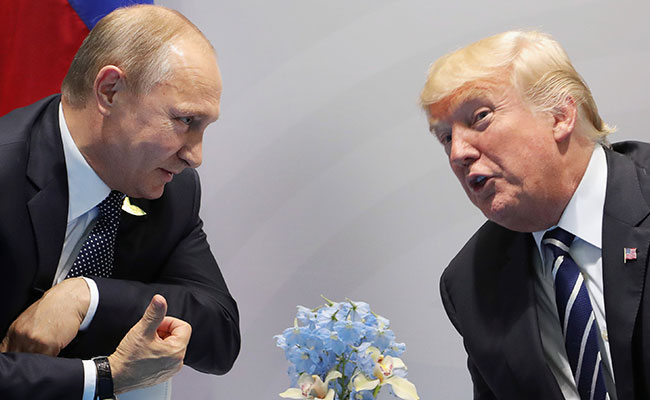
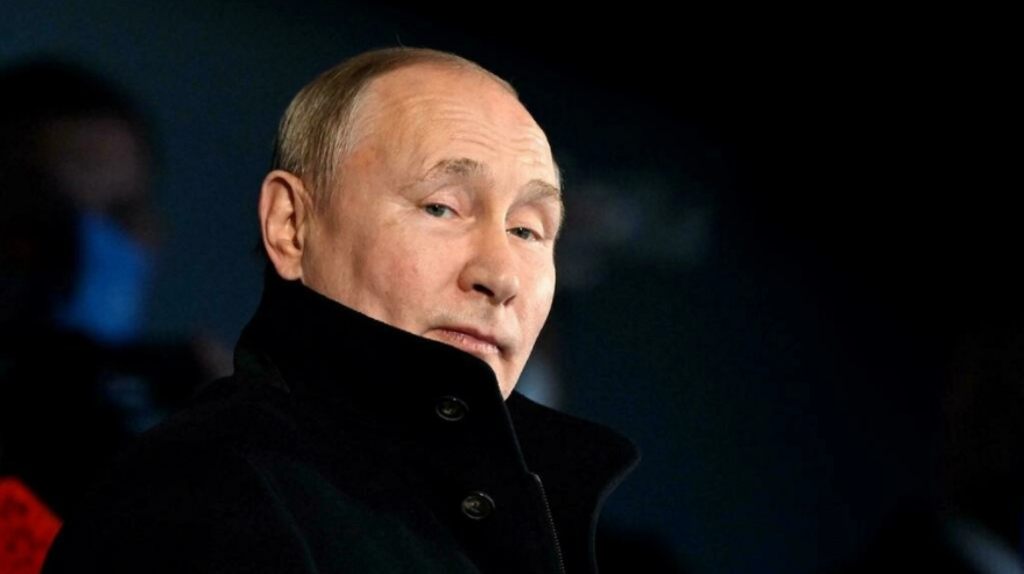
The 2014 Sochi Winter Olympics were staged in large part to display the strength of Russian President Vladimir Putin, who used the Games as an opportunity to bolster the image of Russia’s strength in the lead-up to the authoritarian state’s annexation of Crimean in February and March of that year.
The politicization of the Olympic movement was always inevitable, but it is its unfair politicization that has killed modern Olympism.
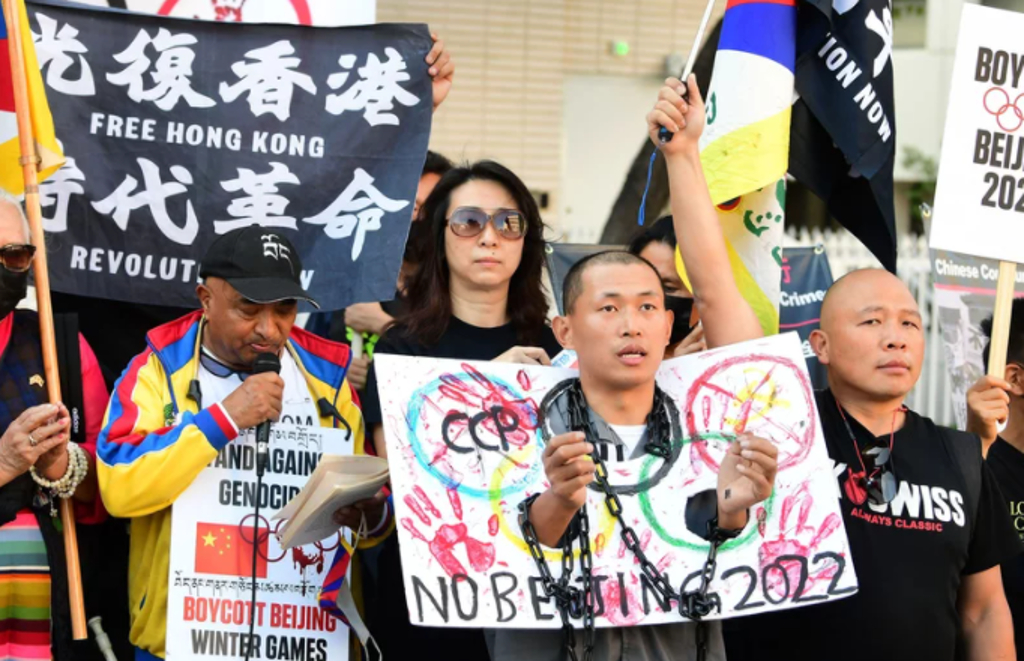
Such unfair politicization was on full display at the 2022 Beijing Winter Olympics. The Chinese government extensively politicized the 2022 Beijing Olympics while simultaneously slandering dissenting voices of Chinese human rights victims, activists and groups, and the democratic governments of other countries. It claims that such individuals and groups are “politicized” and contradict the Olympic spirit.
‘Harmonious Development of Humankind’
According to the Olympic Charter, the goal of the Games is “to place sport at the service of the harmonious development of humankind, with a view to promoting a peaceful society concerned with the preservation of human dignity.”
Genocide — such as is happening to Uyghurs in Xinjiang — is the antithesis of the “harmonious development of humankind,” and forced labor tramples on human dignity, rather than preserving it.
Our acts of “politicization”, meant to defend “universal fundamental ethical principles” as set forth in the Charter — such as peacefully publicizing and protesting the past and present atrocities committed by the CCP — were prohibited in Beijing and across China.
The athletes, warned in advance by Chinese officials to remain silent on political matters while in China, literally feared for their freedom and safety if they spoke out.
Hyper-Nationalization
The modern Olympics have long become a hyper-nationalized event. The Olympic Charter stipulates that the Games “are competitions between athletes in individual or team events and not between countries.” However, in reality, no Olympic athlete stands alone. Every Olympian is required to be “a national of the country of the National Olympic Committee which is entering such competitor.”
Olympic athletes are part of teams representing nations. The modern Olympic Games have turned into a competition between nations. Victory, measured by medal count, glorifies and validates the nation and its ruling regime, and is used to purportedly demonstrate the greatness of the nation’s leader.
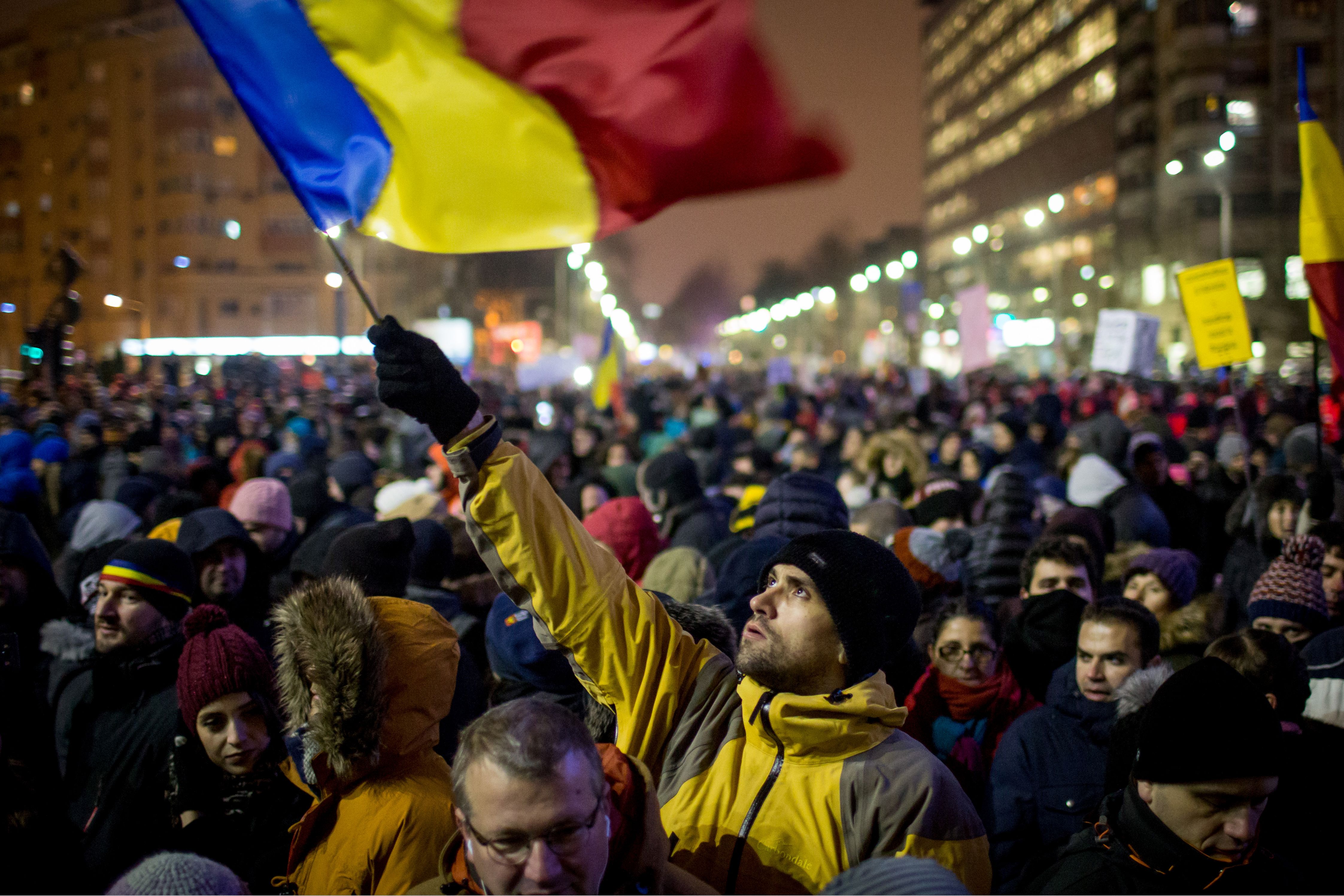
Just like Adolf Hitler, Xi wanted the 2022 Beijing Winter Olympic Games to validate and demonstrate Chinese superiority and his own greatness as China’s leader. He also wanted the Chinese flag, raised and waved around during the Games, to mobilize nationalist sentiment.
The Olympics have become a dangerous instrument of nationalism, which in China means Han chauvinism. As such, anyone in China who might have wanted to “politicize” the 2022 Games by speaking out about and defending universal ethic principles, such as protesting the genocide of Uyghurs in Xinjiang, would have been deemed an enemy of Xi, the CCP regime, and even the entire nation.
This is the anthesis of “fair play,” which is a core tenet of the Olympic spirit.
Moreover, the fact that the modern-day Olympics have become a multibillion-dollar business operation virtually ensures that corruption is the rule rather than the exception. This includes doping and, eventually, genetic engineering of competitors — especially by depraved, morally-bankrupt totalitarian states like China and Russia.
Compared to democratic nations, authoritarian states like China and Russia also devote vastly more resources to training athletes and bribing the IOC to host the Olympics. These countries give out huge bonuses to medalists who “bring glory to their country.” And, of course, there are lucrative business opportunities that follow.
The Olympic Games have become one-third politics, one-third money, and one-third competition.
Spirit of Modern Olympism
The spirit of modern Olympism has suffered a gradual “death of a thousand cuts,” due primarily to the intense and ever-increasing politicization of the Games and fueled by the rampant corruption of participating and hosting countries (some more than others) and the IOC itself.
If the integrity of modern Olympism can ever be redeemed, certain changes must take place:
First, competition must be between individual athletes. Naturally, every athlete has his or her own roots, nationality, and citizenship, but none of these factors should be a prominent part of the Games. There should be no national teams, nor should any national flags be raised during the Games.
Second, any politicization of the Games must be carried out in a fair, free, and peaceful manner.
Third, the host country must ensure freedom of expression and freedom of press for all Olympic participants and the media. Any complaints about breaches of these freedoms must be investigated, and, if substantiated, the host country must face severe consequences.
Unless major improvements are made to ensure that the Olympics are about athletic greatness and not political prowess or nationalistic fervor, the trend of declining interest in the Olympic Games will inevitably continue.
Disclaimer: The views and opinions expressed here are those of the author and do not necessarily reflect the editorial position of The Globe Post.