
The man without arms stood outside the entrance to the Santísima Cathedral in Trinidad, Cuba. I placed some coins in his shirt pocket and gently tapped his chest.
I could feel his pulse and the sweat of the afternoon heat. Our eyes met and he nodded. The sudden intimacy was startling and for the rest of the day, I continued to feel his heartbeat on my fingertips.
I slipped inside the sanctuary of the ancient Spanish Catholic church, the Parish Church of the Blessed. But this was hardly a place of refuge. Starving, flea bitten dogs panted on the cool marble floors beneath the simple pews, their skeletal hips, on display along with the Virgin Mary and the ubiquitous photograph of a young Fidel.
Air conditioning was not even a vague rumor. A massive floor fan kneaded the tropical humidity like bread dough.
Before I left Illinois on a 10-day “People-to-People” educational exchange I told friends that I wanted to see Cuba before the Castro brothers died; before the island was besieged by ruinous development capital, and the unspoiled beaches transformed into next Trump Resort or Club Med.
Today, with Cuba on the verge of collapse, and all the bad impulses that might entail, I feel fortunate to have visited when I did.
I was not prepared for Cuba. I did not know passengers would clap and cheer when we left on the brief charter flight from Miami and then clap and cheer again when we touched down at the bare-bones airport at Cienfuegos.
Or that Cubans returning from the United States would transport huge plastic-wrapped bundles of consumer goods, including furniture and high-end plasma TVs.
As I traveled around the island I remembered author Paul Theroux’ words, “Any country which displays more than one statue of the same living politician is a country headed for trouble.” (This is also good advice to Americans as its president erects monuments in his dismal image.)
In Cuba, a nation that has had its share of troubles, the most frequently displayed statuary is that of a dead man, national hero José Martí.
He reigns supreme throughout the island nation of 11 million citizens, from the majestic José Martí Plaza in the French colonial coastal city of Cienfuegos to a simple park in the crowded municipality of Guanabacoa in eastern Havana.
Fidel Castro, Cuba’s most famous living politician, makes occasional appearances on billboards, including the massive silhouette bookending Plaza de la Revolución. The other bookend in the Plaza is the most popular iconic image in Cuba, and maybe in the world, that of Che Guevara, an Argentinean.
“Cuba goes beyond Fidel Castro,” I was later told by Camilo Garcia Lopez-Trigo, a former UN diplomat. “Cuba is an idea.”
Lopez-Trigo’s smile was patronizing. His lecture on US-Cuba relations in a cramped, windowless room at the Hotel Nacional in Havana began with a warning, “This is not a beautiful story with a happy ending.” Cuba is “a poor country with lots of difficulties.”
He used PowerPoint to document the historical pattern of Yankee interference in Cuban affairs, beginning with Thomas Jefferson, who referred to the island as “a natural appendage of the United States.” Our naval base at Guantanamo Bay, according to Lopez-Trigo, is “the illegal occupation of Cuban territory.”
The theme continued at Playa Giron where I toured the dimly lit Bay of Pigs Museum, where I paid one convertible peso (CUC) for photo privileges. The signage was bilingual, the rhetoric was decidedly revolutionary.
“The bandits perpetuated crimes against the peasants and the teachers in a useless effort to prevent the triumph of the literacy campaign.”
“Dozens of wounded and burned persons were the price paid by our people for the cunning mercenary bombing sponsored by the Yankee administration.”
“The youth fulfilled the slogan: Death to the invader!”
On a nearby billboard an artist had drawn Cuba in the shape of a fist punching the United States in retaliation for the ongoing blockade.
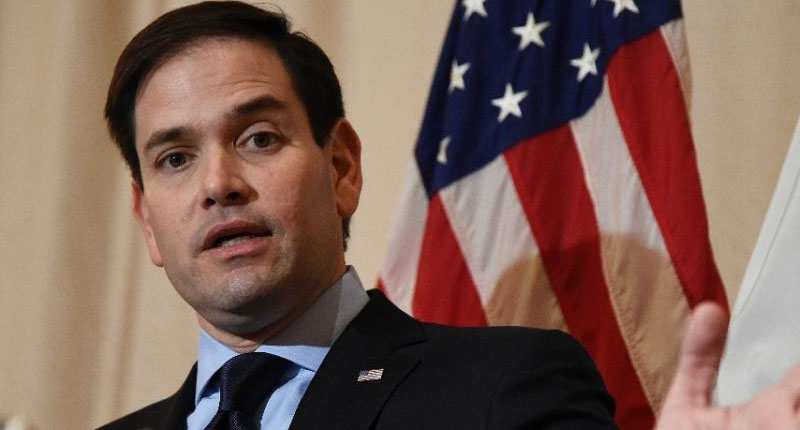
With the current more stringent and cruel blockade now in place, thanks to Secretary of State Marco Rubio’s personal vendetta against Cuba, the island’s fist is now a hand begging for food, energy, and mercy.
Whatever the original idea was — To stand up to Yankee imperialism? Equality for all? Redistribution of wealth? — today, more than a half century after the revolution, begging and soliciting seemed to be a common idea.
Using the crook of his cane, an elderly man banged the window of the climate controlled Chinese-made bus from which I peered down on him. The man’s twisted fingers raised in the universal symbol for give me money.
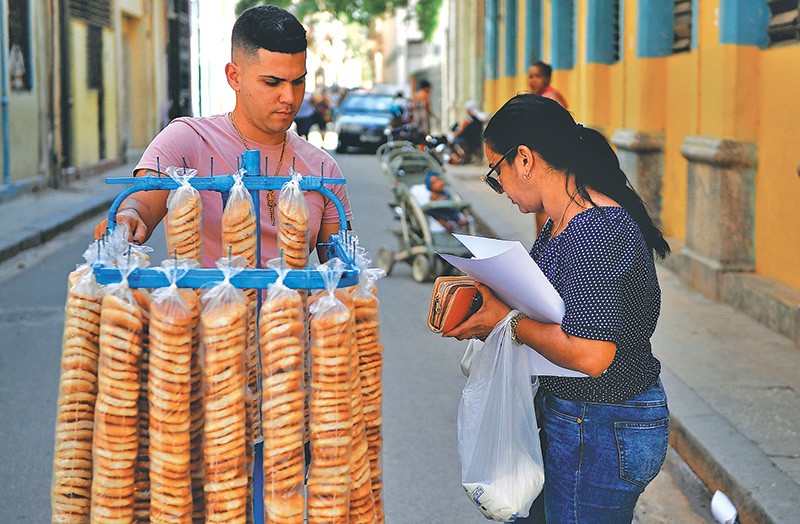
Women approached me rubbing their arms frantically. I didn’t get the meaning, but someone explained that they were begging for soap. Bathroom attendants asked for tips in exchange for scraps of soap, sheets of tissue, and the use of portable toilet seats. Some filled buckets with water from nearby taps so they could flush the toilets.
Farmers appeared on street corners with donkeys and carts, ready to have their pictures taken for a donation. Even though I did not request it, a caricature artist drew my portrait (“A gift … for you, senor. Take it.”), and handed it to me, hoping for a few pesos. I examined the sketch and found it dreadful. Later, I reached through an open window of a restaurant and dropped it on a table next to a stack of menus.
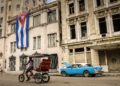
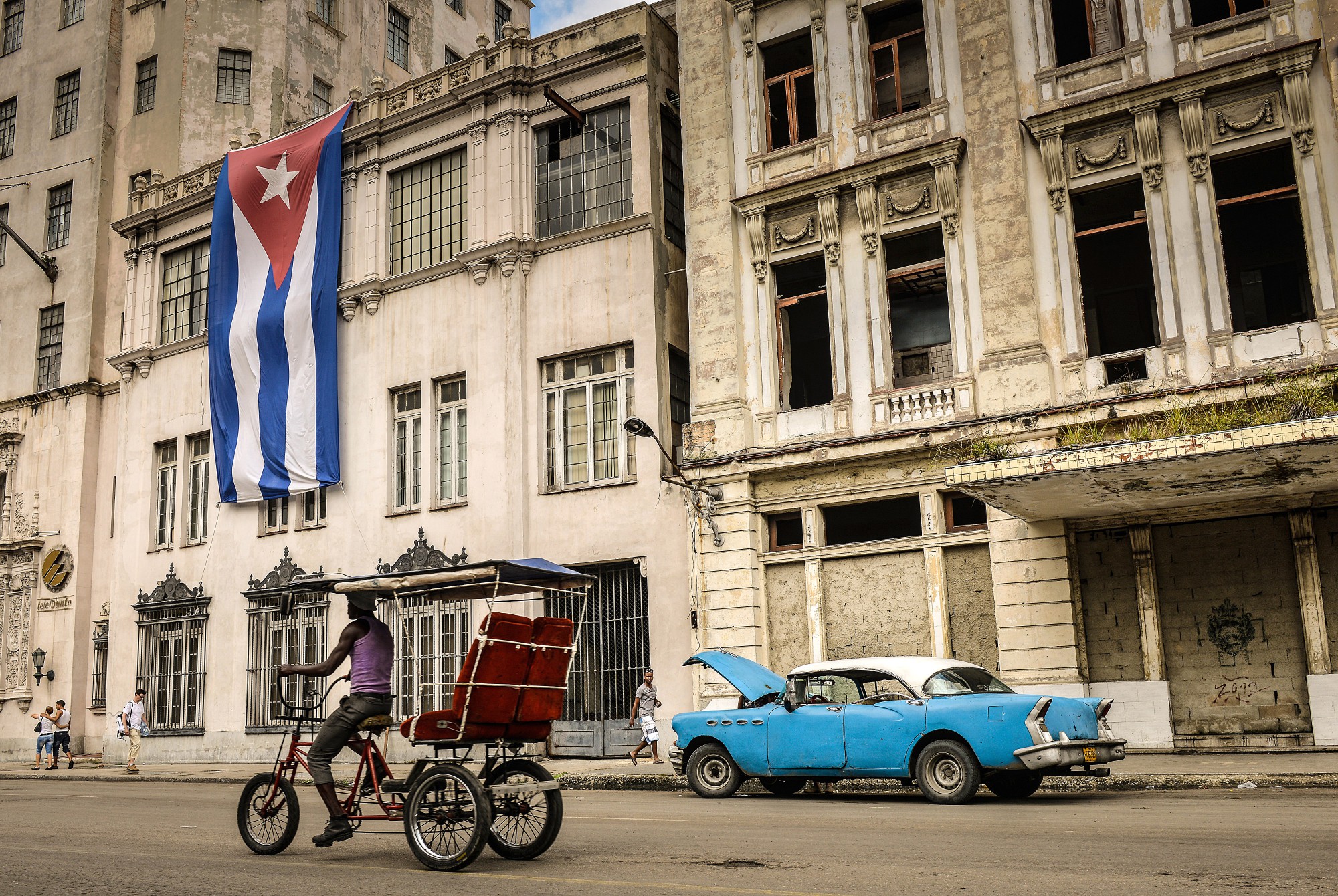
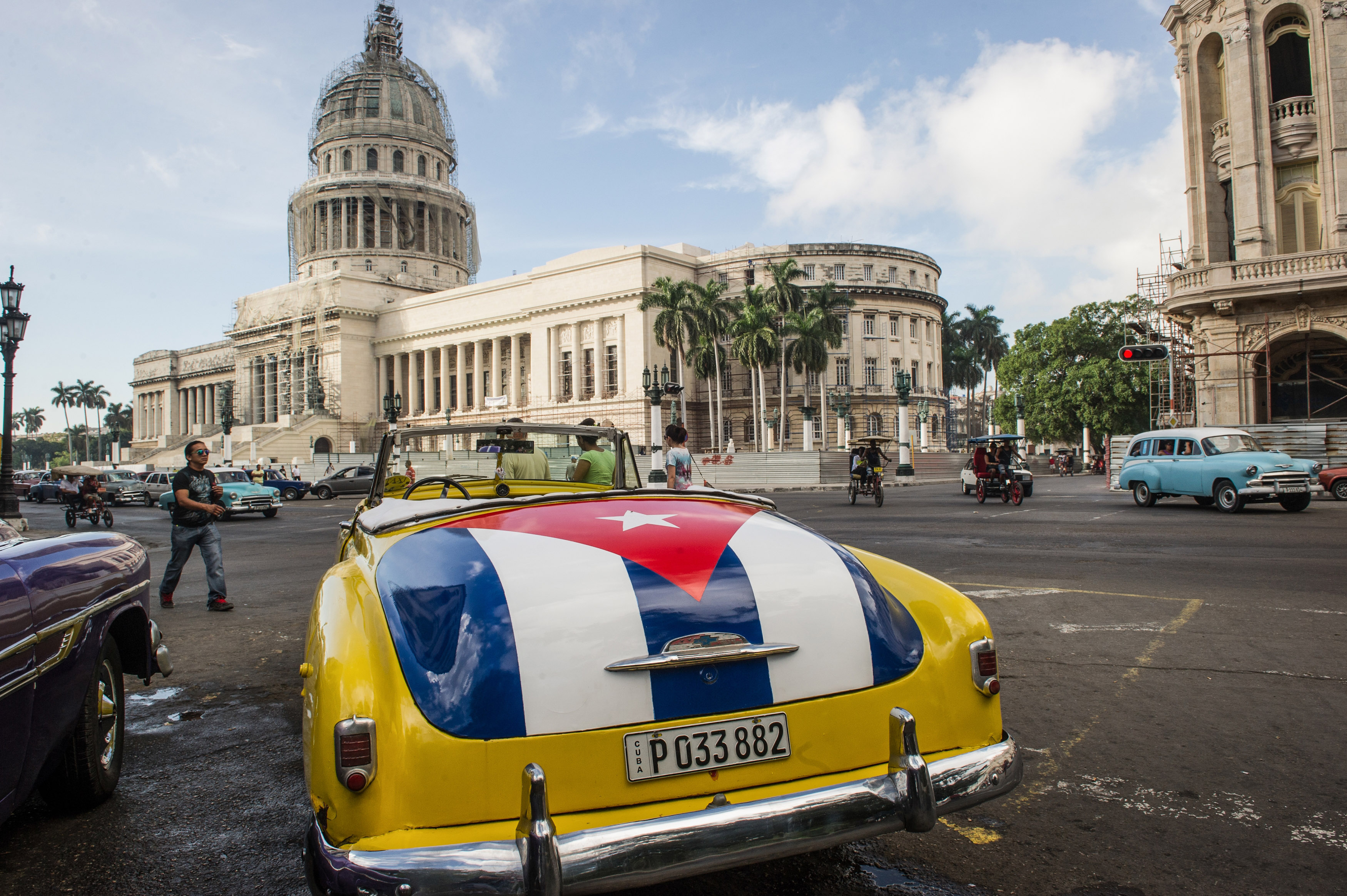
Cuba was frozen in 1959 Revolution time. As I walked the narrow, cobblestone streets of Trinidad, with its Spanish-style colonial architecture and its bony donkeys and cattle, I realized that travelers spend small fortunes in the pursuit of such snapshots of “authenticity.”
Some even become addicted to Lonely Planet’s highest rating on the culture shock scale, number 5: “You’ll need to pay specific attention to health and hygiene. A large proportion of locals’ living conditions are a world away from standards you are used to. You may have difficulty finding an English speaker and there is little or no access to services. Paying heed to local customs is essential.”
Yet, what we find culturally shocking is often just simply heartbreaking poverty. And, as we celebrate and romanticize the unchanged, the native residents often dream of change and the opportunities that change would provide.
I spent my last CUC on a Café Cubano in the José Martí International Airport. I had been buzzed into the waiting room through the same type of security doors as I had entered the country in Cienfuegos. I had paid 30 CUCs to leave and the remainder of my visa was taken, leaving me without an official document saying that I had been to Cuba.
As my plane took off no one cheered. It occured to me that my fellow passengers could be Cubans leaving their country for the final time or that they could be Cuban Americans leaving their relatives whom they will not see for many years to come.
I looked over at the man in the window seat in my row and contemplated which journey he might be on. His face was the face of Latin America: deeply lined from manual labor, set off with long black hair and a mustache.
He wore dungarees, loafers, and a simple thin blue, short-sleeved work shirt of a style common in the tropics. His arms were strong and veined, but not from working out in a gym. He stared out at the landscape without expression.
Within minutes the Florida Keys came into view, strung out like a necklace, then the mainland. Ninety miles. The plane descended into Miami International Airport. Wheels touch down and the cabin broke out in cheers and applause, and the metallic click of 200 seatbelts unfastened at once.
But not the man next to me. He made no movement. Instead, he looked straight ahead. His look was that of someone who is unsure, someone who is fearful. Someone who doesn’t know what comes next.
Disclaimer: The views and opinions expressed here are those of the author and do not necessarily reflect the editorial position of The Globe Post.