
Thanks to the second largest data leak in history known as the Paradise Papers, the largest mining company in the world, Glencore, is facing criminal charges for its corrupt dealings in the Democratic Republic of Congo (DRC). Glencore loaned billionaire Dan Gertler $45 million to strike a deal with the Congolese authorities that exchanged illegal mining privileges for bribes, a business that has defined Mr. Gertler’s notoriety for decades and cost the DRC an estimated $1.3 billion in lost revenue. The Paradise Papers revealed how the richest in the world build their empires of wealth and power, yet the case of Glencore revealed the humanitarian cost of this individual and corporate greed. In the case of the DRC, Glencore and other mining corporations directly contribute to political, economic, and environmental violence. As such, the entire corporate mining industry in the DRC urgently requires international review and suspension.
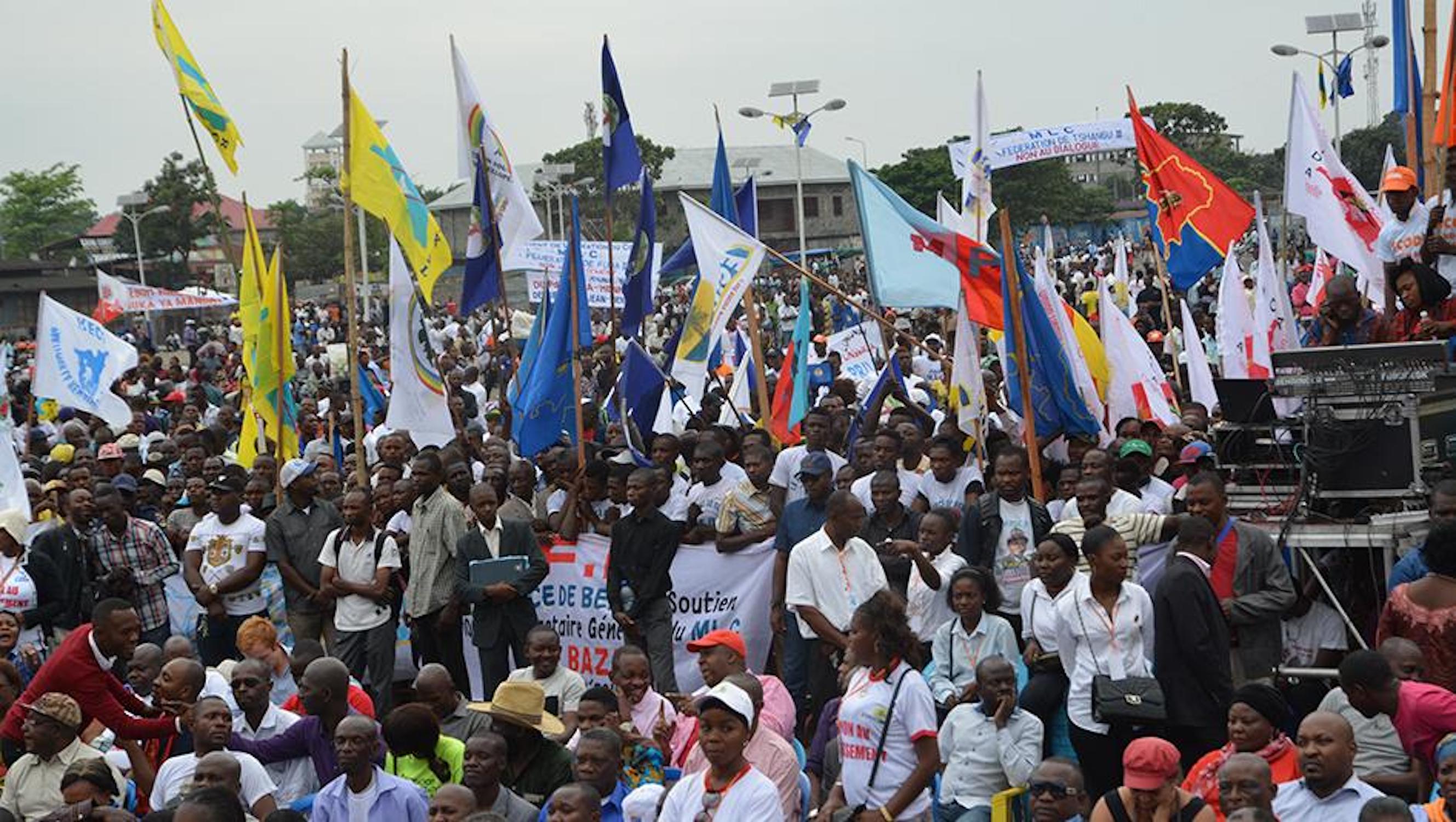
The Congolese people, citizens of the second poorest country in the world, lose the most in corporate mining deals. As the exorbitant profits of the industry end up in foreign hands and as potential state tax revenue is converted into luxurious mansions and off-shore investments for their own president, Joseph Kabila, and his closest advisors, the Congolese people receive minimal economic benefit from the deals. Moreover, as the president and his posse directly negotiate and benefit from mining deals, the opportunity cost of relinquishing power increases. This reinforces Mr. Kabila’s desire to cling to power at the expense of Congolese lives, peace, democracy, and development. Mr. Kabila has refused to step down from power since his two term mandate ended in December, 2016. In the midst of political insecurity, more than 70 armed groups continue to gain support, 4 million Congolese are internally displaced, over 7 million are in need of humanitarian assistance, and hundreds have been imprisoned or killed for protesting Mr. Kabila. Meanwhile, the mining industry in the DRC is one of the fast growing in the world, thanks to foreign investment.
Under the current political and corporate environments, the rapid growth of the mining industry in the DRC will result in more state oppression and greater suffering for the Congolese people. Weak international mechanisms of control and corporate accountability are not fit to ensure otherwise. Despite the existence of Guidelines for Multinational Enterprises set forth by the Organization for Economic Cooperation and Development (OECD), which explicitly denounce corporate mining behavior, such as government bribery and special exemptions, its mandate is not legally binding; therefore, companies in breach face no penalty. In 2002, the OECD compiled a list of 85 companies in the DRC violating its Guidelines for Multinational Enterprises. Among the list was Banro Corporation, which acquired its first concessions in DRC in 1997 with a ten-year tax and import duty exemption, as well as 100% ownership of its concession at Twangiza. Additionally, it put 3,000 local miners out of work. Yet today, Banro’s website claims that it “adheres to… the standards and guidelines of the OECD” and its business continues as usual.
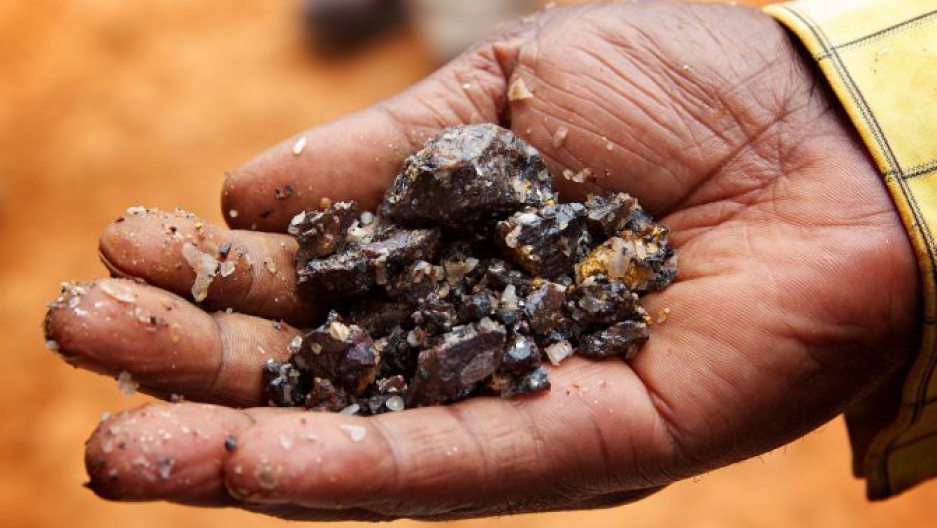
Similarly, corporations do not face economic penalties from consumer boycotts. While consumer awareness about conflict diamonds drove international policy for transparent supply chains, it was and still is largely based on the notion that conflict-minerals are nourishing armed groups. Consumers are largely unaware whether their purchases are enabling corporate and state economic, political, and environmental violence and contributing to systemic impacts such as causing the country of mineral origin to be poorer, more violent, and less democratic. Moreover, while the purchase of a diamond ring may raise a direct and symbolic concern about its sourcing to a conscious consumer, minerals such as cobalt and copper, which are part of much more complex supply chains and whose final products (such as smart phone batteries) do not resemble minerals, are not flagged in the consumer’s consciousness.
The minerals these companies extract, despite claiming to be conflict-free on an international commercial front, are, in reality, precisely the opposite. The result is clear: President Kabila refuses to relinquish power for its economic benefits, dissident voices are silenced, armed groups gain support, power, and territory, and the average Congolese remains unemployed, undernourished, without provision of basic services, terrified, and justifiably despondent about the future of their country. Until Mr. Kabila steps down from power and allows for peaceful democratic elections to take place and international mechanisms of corporate accountability are put in place to protect weak states from mineral exploitation, any mineral originating from a foreign corporation in the DRC is a conflict-mineral.