
• About Us
  • Who Are We
  • Work With Us
Sunday, November 8, 2026
No Result
View All Result
The Globe Post
39 °f
New York
44 ° Fri
46 ° Sat
40 ° Sun
41 ° Mon
  • National
  • World
  • Business
  • Interviews
  • Lifestyle
  • Democracy at Risk
    • Media Freedom
  • Opinion
    • Editorials
    • Columns
    • Book Reviews
    • Stage
  • Submit Op-ed
  • National
  • World
  • Business
  • Interviews
  • Lifestyle
  • Democracy at Risk
    • Media Freedom
  • Opinion
    • Editorials
    • Columns
    • Book Reviews
    • Stage
  • Submit Op-ed
No Result
View All Result
The Globe Post
No Result
View All Result
Home Featured

Saudi Visit to Moscow: Driving a Wedge Between Russia and Iran?

Robert Mason by Robert Mason
10/10/17
in Featured, Opinion
Russia Saudi Arabia Salman

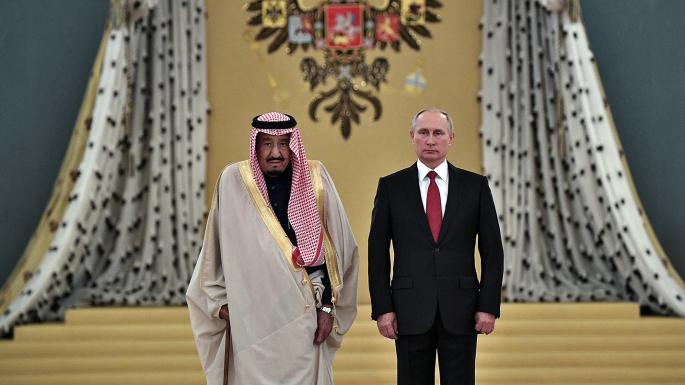
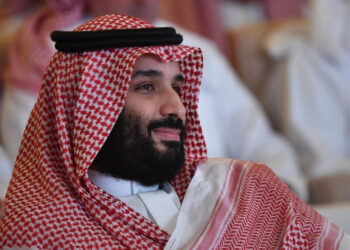
Saudi King Salman visited Moscow last week. Photo: EPA

Share on FacebookShare on Twitter

Since the Russian intervention in Syria and growing Iranian influence in the region, Saudi Arabia has been on the losing end of the geopolitical power play. Last week’s visit by Saudi King to Moscow couldn’t have come at a better time.

The historic visit by Saudi King Salman and Crown Prince Mohammed bin Salman to Moscow is a remarkable display illustrating a significant geopolitical shift on the part of the Kingdom’s foreign policy calculations. The visit underscored the necessity for the Kingdom to secure an improvement in relations with the Kremlin, including greater cooperation on shared oil interests.

It also highlighted the Al-Saud’s desire to secure large-scale and qualitatively superior defense deals (including technology transfer) compared to Iran such as the S-400 missile defense system which the Saudis said they were interested in purchasing.

The Kremlin’s decision to provide such hardware will have to be carefully weighed against, on the one hand, the economic incentive, versus any possible destabilizing effect on the regional balance of power. Moscow also needs to consider the possibility that President Donald J. Trump will roll back U.S. inclusion in the Joint Comprehensive Plan of Action (JCPOA), a 2015 nuclear deal with Iran, which could have a major destabilizing effect of its own as Iran may reconsider its uranium enrichment program. The signs so far indicate that the S-400 deal will proceed.

The Arab Uprisings in 2011 and the subsequent conflicts in Syria, Libya, and Yemen where the Saudis have waged a bitter war against the Houthis have also been a cause for alarm. Russian intervention in Syria in direct support of Syrian President Bashar al-Assad stood directly against Saudi regional strategic interests. Therefore, growing economic engagement with the Russians supports Riyadh’s attempts to diversify its international arms suppliers but also adds significant weight and political goodwill behind the Kingdom’s attempts to resolve Syria.

With the U.S. and Russia now taking the lead on diplomatic initiatives to end the conflict, such as the southern de-escalation zone, Russia working with Turkey and Iran through the Astana process, and France working on its conference diplomacy, Saudi Arabia and other “stakeholders” in the conflict have largely been excluded.

Saudi Arabia is therefore coming around to seeing that a solution on Syria is only feasible through Moscow which controls many of the facts on the ground. Whilst the situation is unlikely to change overnight, since even commitments to establishing small enclaves in Syria have been ineffective in practice, such a policy may give Riyadh more influence and relevance in future negotiations.

Unsurprisingly then, in tandem with this strategy is Saudi support of Russian President Vladimir Putin’s struggle with terrorism, itself a function of the second Chechen war from 1999 to 2009, including the Moscow theater hostage crisis in 2002 and the Beslan school massacre in 2004.

As Riyadh experiences further terror attacks, the most recent being a foiled attack outside the royal palace in Jeddah, that will not be a difficult leap to make. However, what may prove to be more problematic is the ability of Saudi Arabia to shape Russian foreign policy such as getting a seat at the negotiating table to fit its own ends, including deciding on the mechanism that gives the voice back to the Syrian society.
ShareTweet
Robert Mason

Robert Mason

Associate professor and director of the Middle East Studies Center at the American University in Cairo

Related Posts

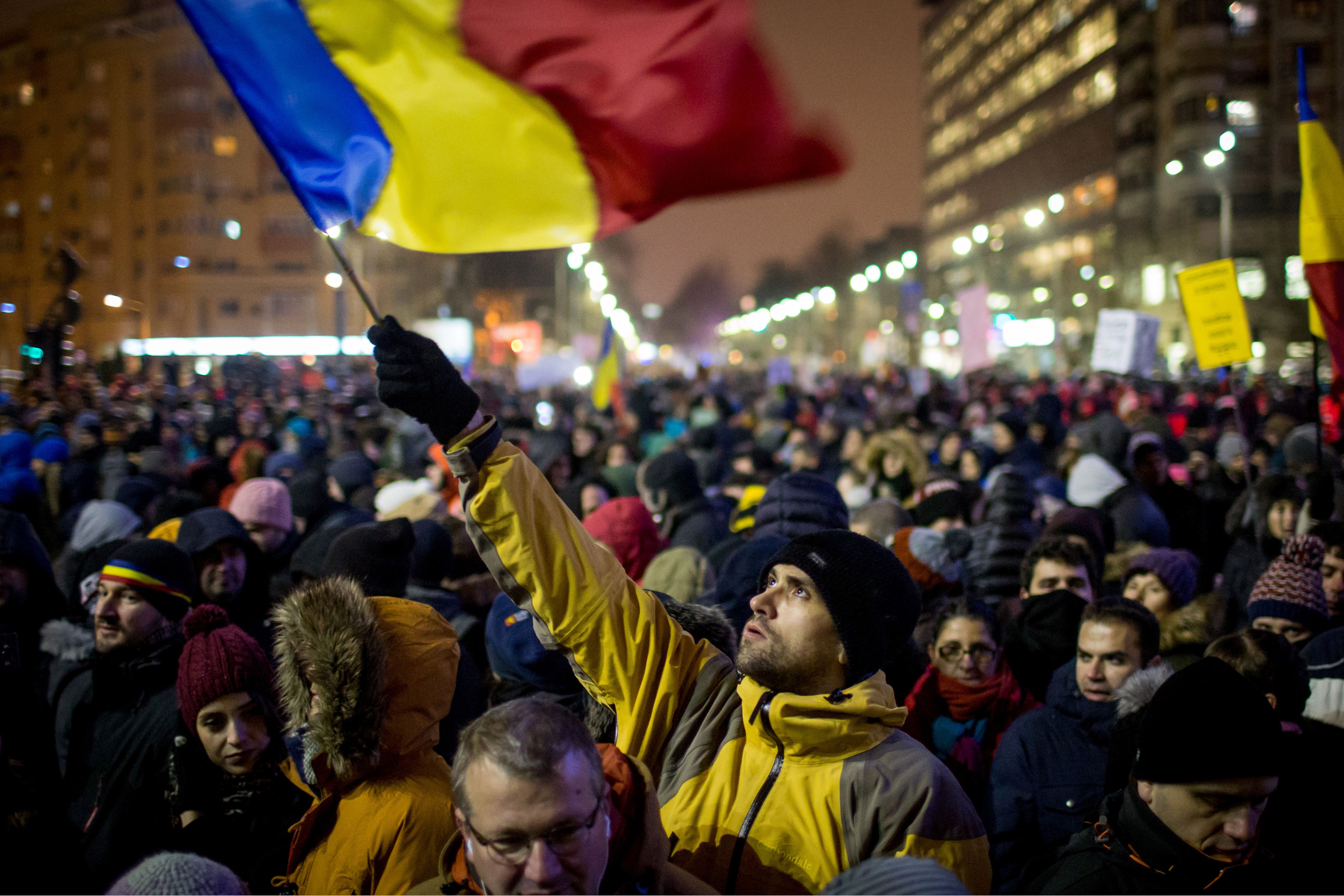
A man holds a Romanian national flag during an anti-corruption demonstration in Romania's capital Bucharest.
World

Russia Denies Interfering in Romania Elections

by Staff Writer with AFP
December 5, 2024
Saudi Crown Prince Mohammed bin Salman
Opinion

Can the UN Human Rights Council Protect Rights While Abusers Sit at the Table?

by Mandeep Tiwana and Sigrid Lipott
October 28, 2024
Ukraine invasion
World

EU Lawmakers Approve New $38B Loan for Ukraine

by Staff Writer with AFP
October 22, 2024
Workers fix an election campaign billboard of the Socialist Party reading "We vote the star, we vote the socialists. It is logical" in Chisinau on February 13, 2019
World

Moldova Uncovers ‘Unprecedented’ Pro-Russia Vote Rigging

by Staff Writer with AFP
October 3, 2024
An elderly woman pulls a trolley bag past a destroyed building in Bakhmut in Ukraine's Donetsk
World

Russian Strike Kills 51 in Ukrainian City

by Staff Writer with AFP
September 4, 2024
Delegation on the river Seine, Saudi Arabia during the Opening Ceremony of the Olympic Games Paris 2024
Opinion

Risky Business in Saudi Arabia’s Bid for the 2024 World Cup

by Mustafa Qadri
August 1, 2024
Next Post
visa suspensions erdogan turkey diplomatic row andrew brunson

US, Turkey Plunge into Diplomatic Row with Tough Choices Ahead

US Ambassador to Russia Jon Huntsman presents his credentials to Russian President Vladimir Putin. A top Russian diplomat said on October 11 that Moscow may demand further cuts to US diplomatic staff amid a row between the two nations.

Russia May Demand Further Reductions to US Diplomatic Staff

Recommended

The Fnideq (Morocco) - Ceuta (Spain) fence, located in northern Africa, is one of the main borders used by people on the continent to try to immigrate to the European Union. In September 2024, a massive attempt to cross the fence occurs, and the Moroccan police push back hundreds of people who head towards the Spanish exclave. In 2024, Spain receives 46,000 migrants.

Thousands Cross Into Spain’s North Africa Enclave in New Migrant Crisis

July 31, 2026
An armed Iranian police officer holding a rifle monitors the area as motorcyclists ride beneath a billboard depicting an AI-generated image of the Strait of Hormuz and an effigy of US President Donald Trump, displayed on the wall of a state building in downtown Tehran, Iran, on May 3, 2026.

US, Saudi Strike Iraq Alliance in Expanding War

July 29, 2026
Germany, Berlin, 26 july 2026, Gathering in tribute to the victims and all those affected by the attack on the 2026 CSD (Christopher Street Day/Pride) event, held at Pariser Platz.

Berlin LGBTQ Community Fears Far-Right ‘Exploitation’ of Pride Attack

July 27, 2026
AI chatbot applications.

Trump Under Pressure From All Sides Over Chinese AI Surge

July 24, 2026
Protesters gathered to condemn the detention of opposition leader of parliament, Rahul Gandhi, during a protest in New Delhi.

India Student Protests Keep Up Pressure on Modi Government

July 22, 2026
A southern Yemeni separatist fighter waves his rifle at the site of an anti-government protest in the port city of Aden, Yemen January 30, 2018.

Yemen’s Iran-Backed Houthis Announce Maritime Blockade of Saudi Arabia

July 20, 2026

Opinion

A Cuban street with a flag

Cuba Through a Pulse: Intimacy, Poverty, and the Shadow of Revolution

March 10, 2026
An Iranian walking in front of a wall painting of the Iranian flag in Tehran

Iran Can’t Dominate the Middle East Without Iraq

January 13, 2026
US President Donald Trump

Vladimir Trump and Blood for Oil

January 5, 2026
A trial COVID-19 vaccine

America’s Global Health Retreat Is a Gift to Its Rivals

November 12, 2025
Israeli Prime Minister Benjamin Netanyahu

UN Might Tolerate Netanyahu, and White House Might Welcome Him, But He’s Still Guilty of Genocide

September 30, 2025
Former President Donald Trump speaks at a Fox News Town Hall

Cruelties Are US

August 25, 2025
Facebook Twitter

Newsletter

Do you like our reporting?
SUBSCRIBE

About Us

The Globe Post

The Globe Post is part of Globe Post Media, a U.S. digital news organization that is publishing the world's best targeted news sites.

submit oped

© 2018 The Globe Post

No Result
View All Result
  • National
  • World
  • Business
  • Interviews
  • Lifestyle
  • Democracy at Risk
    • Media Freedom
  • Opinion
    • Editorials
    • Columns
    • Book Reviews
    • Stage
  • Submit Op-ed

© 2018 The Globe Post