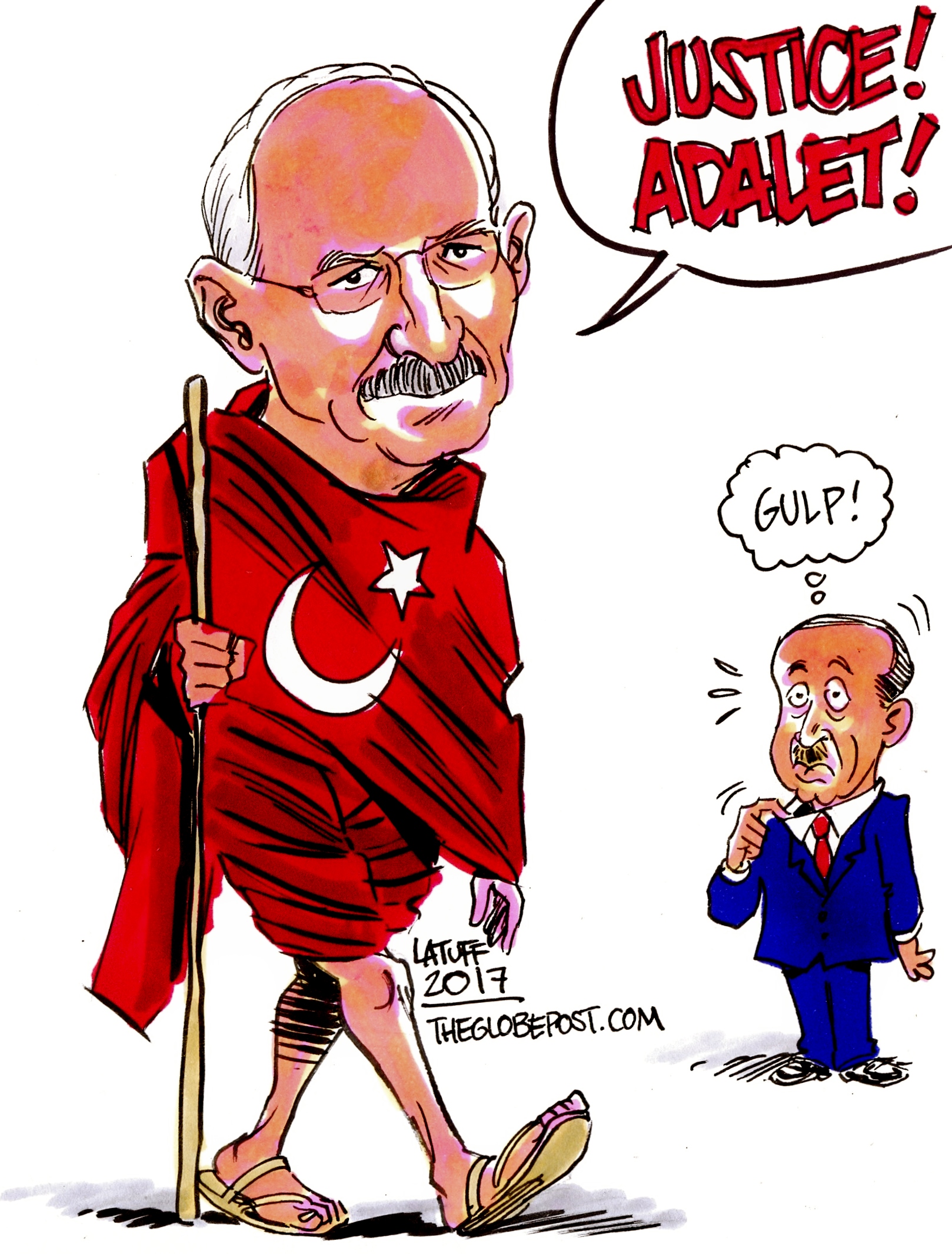



When main opposition Republican People’s Party (CHP) leader set his foot in Istanbul on Sunday, walking the last one mile of the 250-mile long march alone in Maltepe district, the site of the rally, the prevalent mood among Turkey’s battered opposition was ecstatic.
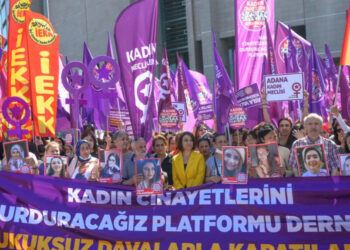
The sense of euphoria and elation mixed with renewed optimism swept through the crowd, which was estimated close to or more than 1.5 million, the largest gathering since the Gezi Park protests in 2013 summer. The march is now regarded to be a potential game changer for recently dull Turkish politics dominated by ever-powerful President Recep Tayyip Erdogan and his ruling party.
The opposition, as CHP leader Kemal Kilicdaroglu succinctly put it, appears to have unshackled the chains of fear that deeply entrenched in the society during an emergency rule that has been imposed for almost a year. No matter what would be the immediate repercussions of the march, one thing seems clear. Critics of the government will not remain complacent regarding their fate, will appear ready to employ nonconventional, nontraditional methods of politics: large-scale peaceful political activities outside Parliament. But steep challenges over how to translate the current momentum into a lasting, coherent coalition of a divided opposition that could genuinely challenge the government’s firm hold on power remain in place.
“The March for Justice has been a real success for Kilicdaroglu and, more broadly for the opposition overall,” said Howard Eissenstat, a Turkey expert at St. Lawrence University and Nonresident Senior Fellow at the Project on Middle East Democracy (POMED).
“It has demonstrated three things: first that, despite 15 years in power, the AKP still has not managed to assuage, convert, or eradicate the opposition: Turkey is still a 50/50 country. Second, that there are limits on Erdogan’s ability to use repression: Erdogan may have been irritated by the Justice March, but he recognized that the cost of repressing it was simply too high,” Mr. Eissenstat told The Globe Post. “And third, that the opposition must demonstrate real creativity and step outside of the traditional role of parliamentary opposition if it hopes to change the dynamics of AKP dominance.”
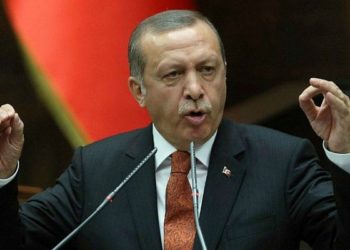
The march and the final Istanbul rally palpably shattered the sense of unassailable political superiority of ruling Justice and Development Party (AKP), which has felt on edge since a controversial referendum in April. The razor-thin victory in April referendum on the presidential system only sharpened its sense of insecurity, while the swelling popular support for the march appears to have solidified AKP’s fears.
With the march, Hasan Aksay wrote on the independent T24 news portal, AKP lost its claim of representing Justice, which ingrained on its party name, to the opposition, a symbolic but significant loss of political ground. It matters a lot. The ruling party is no longer seen as the representative of social justice for significant segments of society, ceding one of the longstanding pillars of its party philosophy as more and more rights violations have become commonplace in daily talk among people.
For Mr. Aksay, the march laid bare to naked realities of Turkey. And whatever the government says about Turkey’s democracy to the outside world, it is these people whose words matter the most: There is no justice in Turkey.
But there is still a tough road ahead for Turkey’s main opposition party. Umit Cizre, Professor of Political Science and former senior fellow at Woodrow Wilson Center for International Scholars, offered a realistic analysis on Turkey’s fragmented opposition.
For her, the building of a true opposition would only be possible if the CHP achieves to go beyond boundaries of its political identity and orientation. Still, the march seems to confirm one of her earlier predictions about the direction of Turkey’s politics.
On April 26, she predicted that the state of public resentment and anger about Mr. Erdogan’s politics of manipulation would trigger unexpected social response.
“… the infuriated 50 percent harbors a sense of helplessness that can sour into depression. It is probably this paradox that will provoke a serious challenge to Erdogan in the future, transcending the impotent opposition parties, spilling into unorthodox channels and inventing new forms of protest,” she wrote for MERIP at that time. The march as an unorthodox way of protest reinvigorated Turkey’s dispirited opposition, gave a fresh source of hope to victims of the government purge and crackdown who have grown desperate over an incapable, inefficient Parliament.
In remarks to The Globe Post, she again touched upon that point, and said a bipartisan, wide-range coalition of young democrats would create a workable alliance of opposition.
Echoing Ms. Cizre, Mr. Eissenstat also urged caution against overstating ‘the repercussions of today’s actions.’
“Unifying the opposition on the long term will be difficult and, in any case, it is not clear, after the irregularities of the referendum, that elections can be trusted to deliver the people’s will any longer,” he said, citing the emerging mistrust against electoral institutions.
In a referendum in April that significantly expanded Mr. Erdogan’s presidential powers, Turkey’s Supreme Electoral Board (YSK) came under public fire after it made a last-minute ruling to accept counting unstamped ballot papers in a sharp break with long-held institutional tradition and electoral laws. The decision proved to be a game changer for the narrow Yes victory, drawing ire of the opposition, which claimed that as many as 2.5 million ballot papers without official stamps were counted as legitimate votes.
To Mr. Eissenstat, President Erdogan remains another factor to be reckoned with. He believes that Mr. Erdogan remains a “master tactician,” with remarkable tools at his disposal. “We see the repercussions of this in the media coverage of the Peace March; broadcast media, almost entirely cowed by the AKP, has ranged from vilification to simply ignoring the Justice March.”
“The largest opposition protest since Gezi was held today in Istanbul and most news channels in Turkey simply ignored it.”
********
This article was possible thanks to your donations. Please keep supporting us here.