

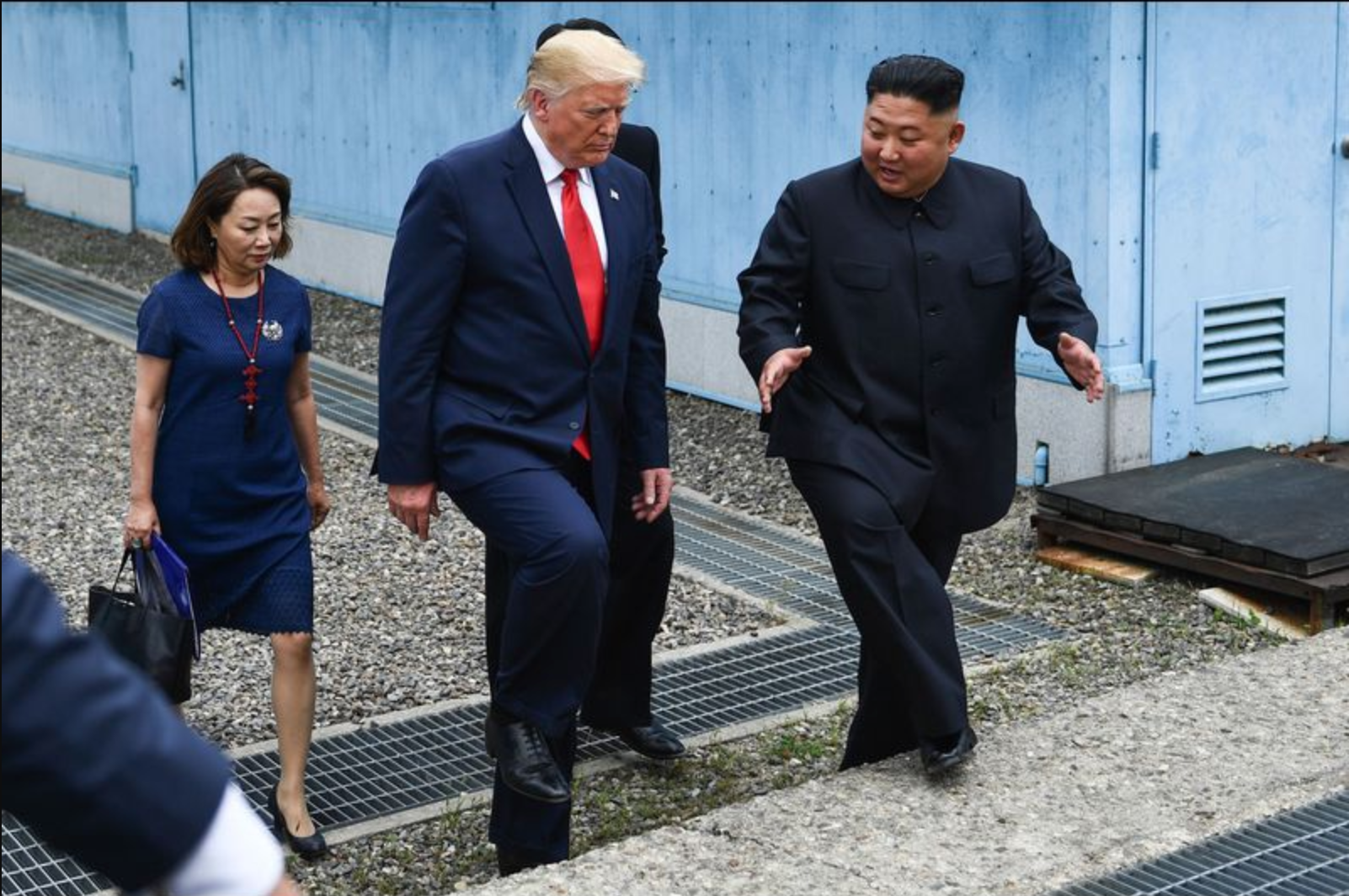
Whether one loves or hates U.S. President Donald J. Trump, there is no denying that his meeting with North Korean leader Kim Jong Un at the Demilitarized Zone and crossover into North Korean territory was historic.
But to what end?
After the meeting, Trump said, “A lot of great triumphs have been based on relationships.” But so far he has little to show for his bond with Kim. As of now, it’s a one-sided relationship, as the North Korean leader appears the primary beneficiary.
Indeed, after the two men’s latest, the two biggest takeaways from their engagement is a political boost for Kim and the weakening of presidential personal diplomacy.
Differing Views
Depending on one’s perspective, the latest meeting between Trump and Kim was either a strategic exercise in diplomacy or a foolish spectacle.
For supporters, Trump’s invitation to meet at the DMZ was a bold stroke of genius. With negotiations on North Korea’s nuclear program stalled, something needed to be done to jumpstart the process and Trump accomplished that.
It was great being with Chairman Kim Jong Un of North Korea this weekend. We had a great meeting, he looked really well and very healthy – I look forward to seeing him again soon….
— Donald J. Trump (@realDonaldTrump) July 1, 2019
On the other hand, critics see the latest meeting as pure theatrics. Going into his reelection campaign, the president simply wanted to further the notion that he’s a peacemaker and a statesman.
Critics also say that the most recent meeting is another sign of the president’s dangerous hubris. Trump believes that he has formed a personal bond with a brutal dictator and that the sheer force of his personality and charisma will produce a deal.
Supporters disagree. This isn’t vanity but confidence. The president is a strong, self-assured leader exerting every effort to make the world a safer place.
Results of Trump-Kim III
Regardless of the reasoning behind Trump’s most recent meeting with Kim, nothing has changed.
Tensions between the two countries have lessened because of the president’s engagement with Kim, but North Korea is no closer to giving up its nuclear weapons now than when Trump and Kim first met in June 2018.
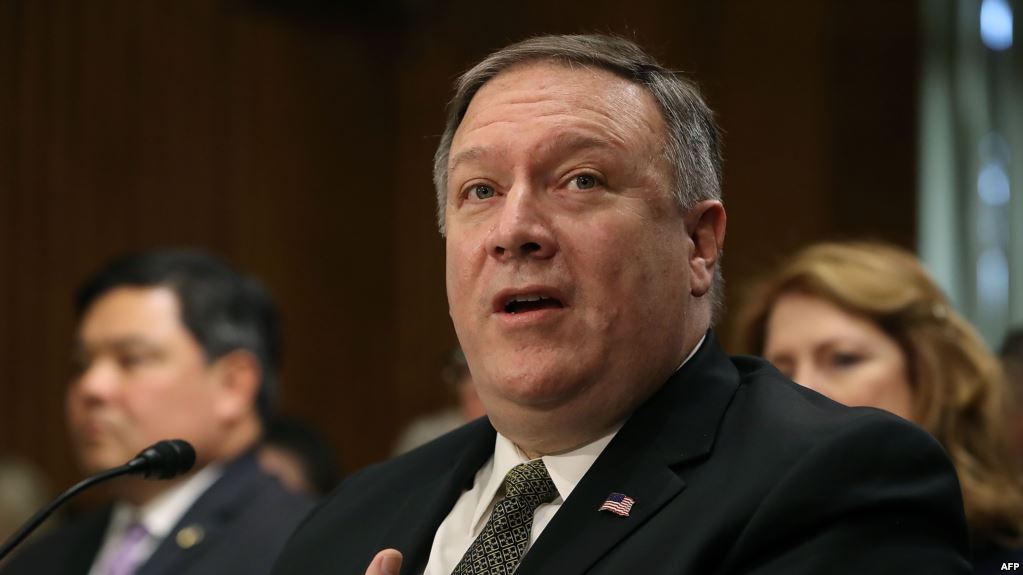
Now comes word that the Trump administration is considering a deal to freeze North Korea’s nuclear program in exchange for concessions. This is a significant shift from the goal of “rapid denuclearization of North Korea, to be completed by January 2021,” which Secretary of State Mike Pompeo declared last September.
While a retreat from the administration’s stated aims, this is the most practical path toward any concrete progress on containing North Korea’s nuclear program. And from the beginning of Trump’s presidency, it has probably been the most realistic strategy.
Have US-North Korea Meetings Been Worth It?
If a nuclear freeze is indeed the route the Trump administration takes, then the president’s use of personal diplomacy with Kim may have been unnecessary and done more harm than good.
In an attempt to forge a personal relationship with Kim, Trump has met with him three times in a little over a year and lavished him with praise. According to the president, it’s worked. He and Kim are “friends.” But both Bill Clinton and George W. Bush negotiated freezes on North Korea’s nuclear program without meeting then-leader Kim Jong Il. And when Barack Obama negotiated a nuclear deal with Iran, he never met with or expressed admiration of its leaders.
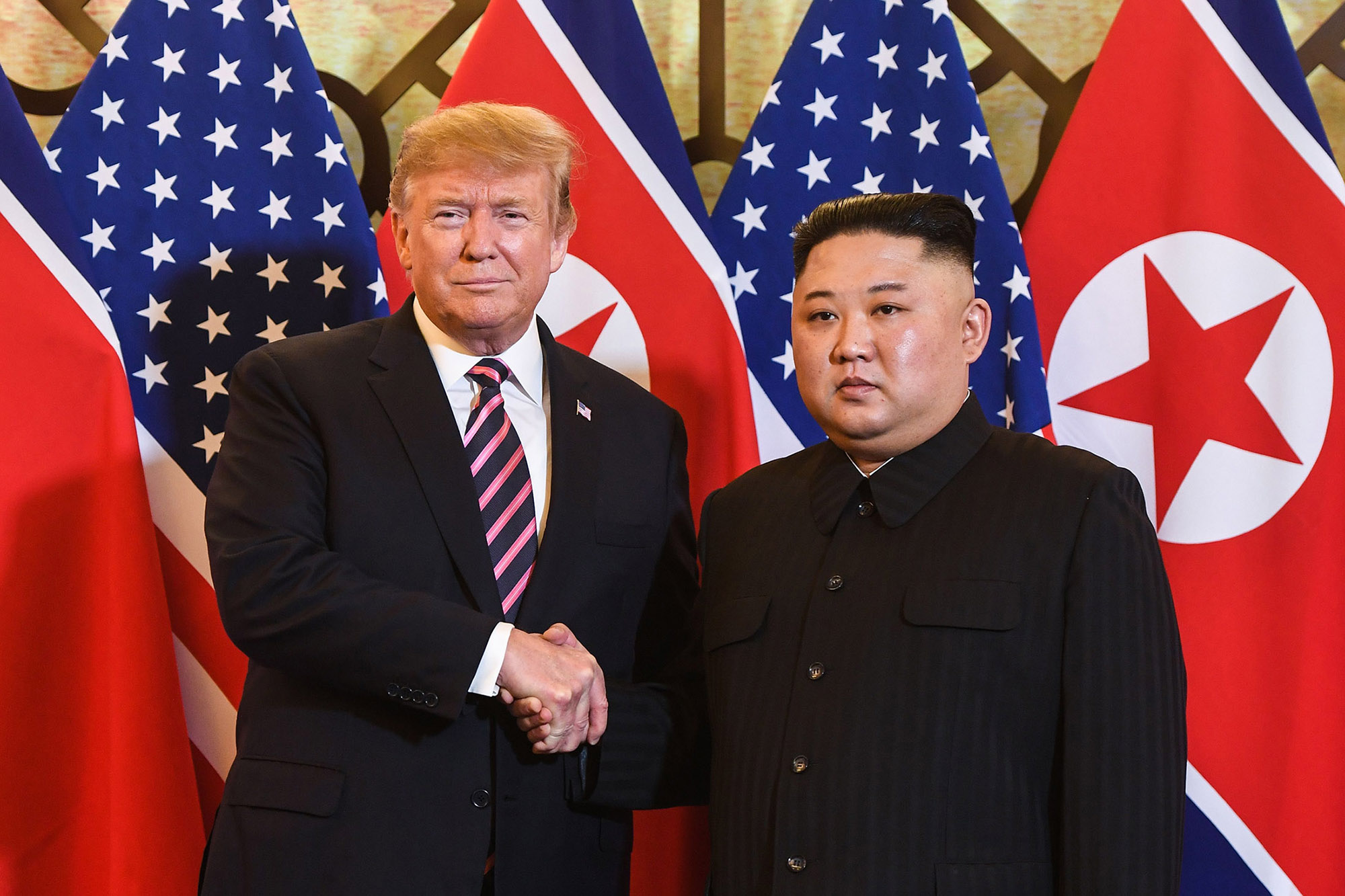
This is not to say that Trump shouldn’t have personally engaged with Kim. The context today is different than past attempts to curb North Korea’s nuclear program. And a summit may have been the catalyst needed to start negotiations on any type of agreement.
But as it stands, the lack of results toward denuclearization and the president’s excessive flattery of Kim have made Trump’s personal diplomacy not worth the cost.
In his classic work on the presidency, political scientist Clinton Rossiter states that the presidency “unites power, drama, and prestige as does no other office in the world.” This prestige derives from the fact that the presidency combines in one office the roles of commander in chief, chief diplomat, chief of state, and, because of the nation’s economic and military dominance, the role of world leader.
When looking at the three Trump-Kim meetings, what has the American president lent this prestige to?
With no tangible progress on a nuclear deal, the only substantial result has been a political boost to Kim’s brutal regime.
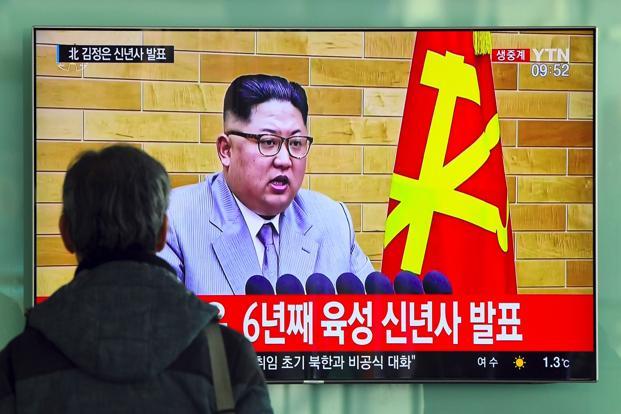
After the latest meeting, North Korean state media was euphoric, calling it the “meeting of the century” and praising the “bold, huge, and courageous decision” to meet. Combine this with the praise Trump frequently heaps upon Kim, and you have a situation that is unseemly and weakens the practice of presidential personal diplomacy.
Past presidents have met with unsavory figures. But the critical difference is that they didn’t go out of their way to praise them or broadcast their close ties. Because the foreign leaders a president decides to meet with and speak warmly of sends signals to domestic and international audiences about American values and priorities.
Looking Ahead
So Trump’s effusive embrace of Kim, as well as other authoritarian leaders like Crown Prince Mohammad bin Salman, is at odds with traditional American foreign policy and it cheapens presidential personal diplomacy.
And it appears the situation might get worse.
After their DMZ meeting, Trump said he had invited Kim to the White House. Though nothing has been formally arranged, such an invite is ill-conceived. It not only furthers to legitimize Kim’s brutal regime but also at this point serves no purpose.
— Donald J. Trump (@realDonaldTrump) July 2, 2019
Presidential personal diplomacy is the most high-level tool in the United States’ diplomatic arsenal. It must be used strategically to have value. Invitations to an adversary to visit have historically been given for a specific purpose, such as a reward for good behavior or to finalize an agreement. But so far Kim hasn’t agreed to anything.
At this stage, an invitation rewards Kim for just agreeing to talk. A low bar for such a major perk as visiting the White House.
Trump’s engagement with Kim might still pay dividends, but the administration needs to rethink its use of personal diplomacy. Because as former Secretary of State Dean Rusk warned, “Summit diplomacy is to be approached with the wariness with which a prudent physician prescribes a habit-forming drug – a technique to be employed rarely and under the most exceptional circumstances, with rigorous safeguards against its becoming a debilitating or dangerous habit.”
Disclaimer: The views and opinions expressed here are those of the author and do not necessarily reflect the editorial position of The Globe Post.