

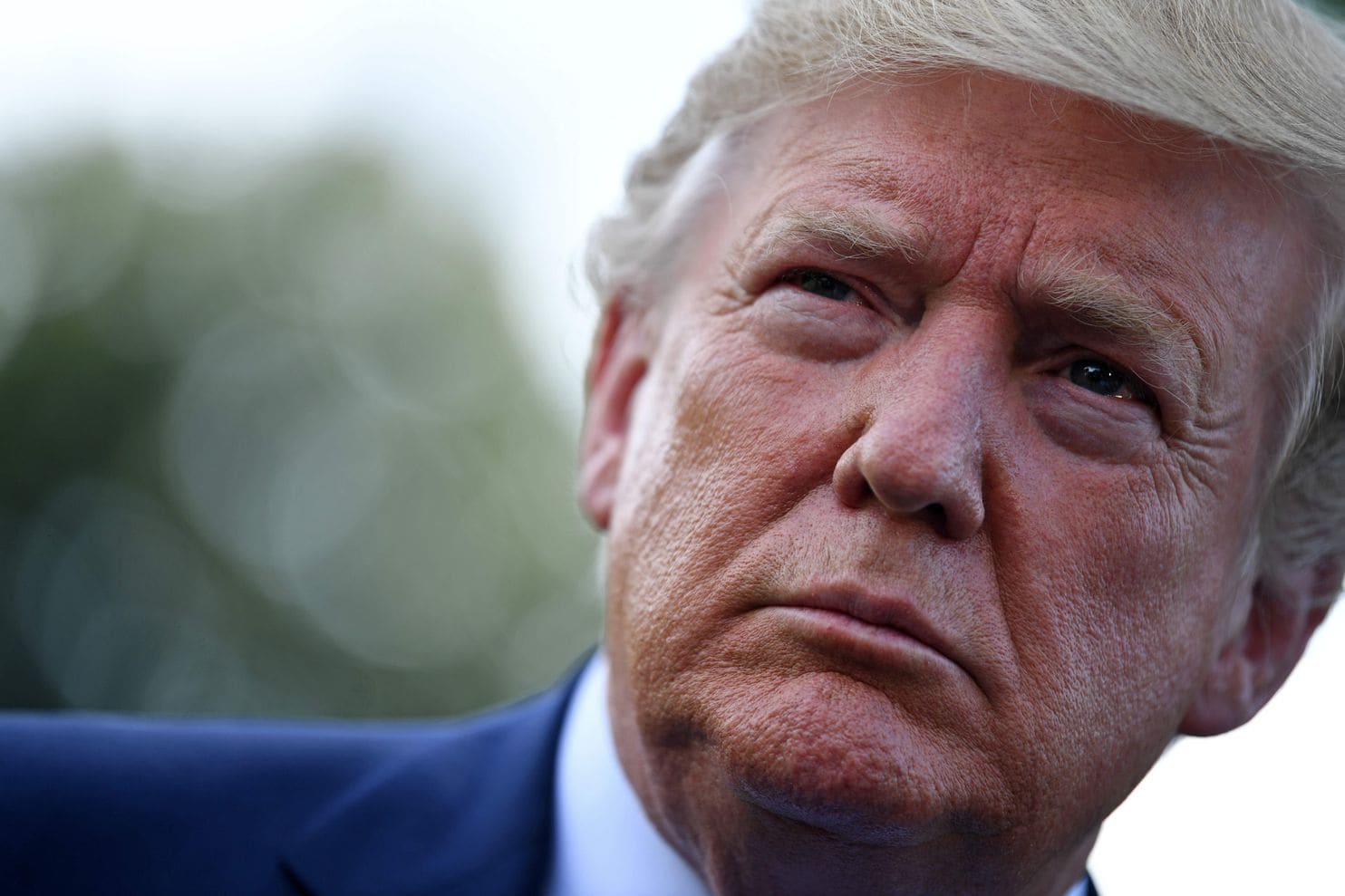
Last week, the Donald J. Trump administration signed a new executive order weakening the Endangered Species Act which in part reduces protections to monarch butterflies.
The stunning hypocrisy is how Trump’s own EPA touts how it collaborates with states, federal agencies, and other stakeholders to coordinate conservation efforts and assist in scientific risk assessments by “working with the Fish and Wildlife Service on assessing the status of the monarch butterfly. EPA is also discussing how best to protect monarch butterflies with the U.S. Department of Agriculture, the State FIFRA Issues Research And Evaluation Group (SFIREG), and the Association of American Pesticide Control Officials (AAPCO).”
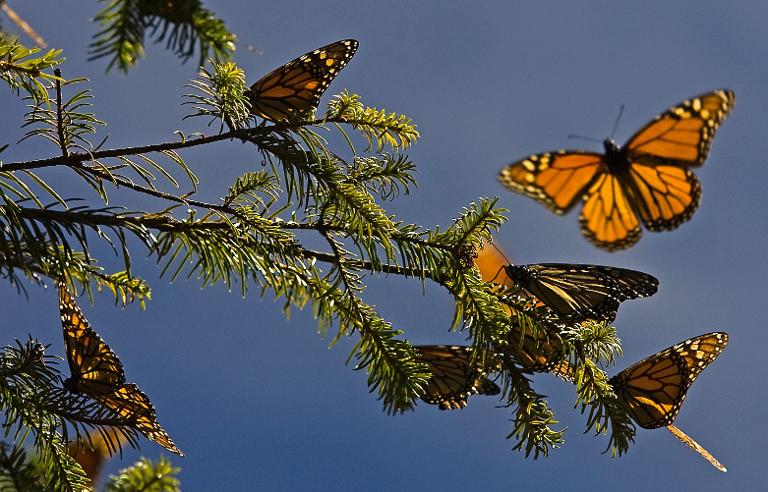
Monarch butterflies aid the health of our planet by pollinating many types of wildflowers. They are also an important food source for birds, small animals, and other insects.
While scientific evidence about the implications of monarch extinction is lacking, we do know that ecosystems are interconnected beyond scientific knowledge.
Looking further than the monarch extinction we have to understand the unknown mass environmental collapse one species can create.
Function of Monarch Butterflies
Approximately 75 percent of food crops depend on pollinators. Without healthy pollinator populations, there are significant implications for food production and biodiversity. In addition to the alarming bee colony collapse, the demise of monarchs and similar pollinator species could have disastrous environmental effects.
Monarchs and other butterflies, while not as efficient as the bees, are still crucial pollinators. Due to their long proboscis (nose), the butterfly has access to deeper flowers and can pollinate different plants than bees. In addition, because of their long migration patterns, they are able to spread pollen through wider geographical ranges.
Along with their benefits as pollinators, monarchs and other butterfly species have long been used scientifically as a measure and indicator of the health of ecosystems and environments.
We may not see the ecological damage to other crucial species but the decrease of monarchs points to a decline of thousands of others.
Declining Monarch Population
Every year, international tourists travel to Canada and Mexico to enjoy the monarch butterfly migration. Sadly, these beautiful insects are being disproportionately affected by the implications of industrial agriculture, pesticides, herbicides, and climate change.
In the 1980s, an estimated 4.5 million monarchs overwintered the Pacific coast in Mexico and California. Then, the monarch population declined by about 97 percent in the mid-2010s, and in 2018, the drop was much faster.
A recent count by the Xerces Society found a record low number of around 28,000 western monarch butterflies seen in all of 2018, which is an 86 percent drop from the previous count done in November 2017. To put it simply, the ratio of monarchs compared to the 80s and today is a shocking 160 to 1.
How is this happening?
Climate Change
One huge driver to the disappearing monarchs is climate change, that negatively affects key parts of their life cycle. Global temperature rise changes the timing of migration patterns as the butterflies get confused by abnormal weather.
Climate change also impacts the monarch’s primary food source. Lots of butterflies need a single plant or “host plant” as a food source for their larval form. Milkweed is the host plant for the monarch butterfly. Without milkweed, the larva would not be able to develop into a butterfly. Monarchs drink sweet nectar from a variety of milkweeds.
Cause & effect: “Monarch butterfly and milkweed declines substantially predate the use of genetically modified crops” from @josh_puzey lab in @PNASNews
Stories about #gmo crops causing monarch decline no longer tenable. https://t.co/FpU4j0pc6Y pic.twitter.com/hlD4DXvq6D
— plantevolution.bsky.social 🌱 (@PlantEvolution) February 19, 2019
Milkweed offers more than just nourishment because when monarch butterflies drink milkweed juice, their bodies become poisonous to predators creating a natural defense. Without milkweed, these gorgeous colorful butterflies are more vulnerable to their enemies including wasps, ants, parasitic flies, birds, snakes, toads, rats, lizards, dragonflies, monkeys, frogs, and spiders.
Deforestation and Pesticides
Deforestation is another major concern for monarchs. For example, Mexican company Industrial Minera México operates a copper mine bordering the 56,259-hectare Monarch Butterfly Biosphere Reserve, jeopardizing ongoing efforts to preserve the butterfly habitat there.
The Biosphere Reserve is home to thousands of monarchs migrating each year in the state of Michoacán where cartels are often behind illegal logging. Deforestation and forest degradation in Mexico have greatly shrunk the habitat area for the monarchs.
In the U.S., land-use changes and the heavy use of glyphosate has lowered the availability of milkweed. The herbicide Dicamba, for example, was shown in studies to be extremely dangerous to the monarch population. This plant-killing pesticide, used on genetically engineered cotton and soybeans, is prone to drift from field to field while destroying flowering plants that provide adult monarchs nectar and milkweed itself, the only plant that feeds monarch caterpillars. Dicamba saw nearly a 100-fold increase in use last year on cotton and soybean fields within monarch habitat.
Extreme Weather
Finally, extreme weather is a major threat to the existence of monarchs. Sudden drops in temperature, heavy rains, and snowfall all prove detrimental to butterfly populations up and down the continent.
It is more important now than ever to not only protect monarchs but to also address the root causes of their endangerment. Congress must fight President Trump’s wreckless order that creates changes that go into effect next month and reduce regulations that could force more species like monarchs to extinction by delaying and denying protections.
People across Canada, the United States, and Mexico can help reverse monarch extinction by planting milkweed plants that haven’t been treated with insecticides.
It’s the eleventh hour for monarchs, but we still have time.
Disclaimer: The views and opinions expressed here are those of the author and do not necessarily reflect the editorial position of The Globe Post.