The 26-year-old Paulo Paulino Guajajara was a “guardian of the forest.” His sole occupation was to protect the Brazilian Amazon and his tribes’ sacred land. But in November last year, he was attacked by five illegal loggers. His body was left on the rainforest floor for many days before it was removed.
The starkness of the tale does not come from the attack itself but from Paulino’s prediction that he would meet his fate protecting the forest. The year before his murder, he told Reuters, “I’m scared at times, but we have to lift up our heads and act. We are here fighting.”
Paulino’s death is part of an ongoing battle. Miners and loggers are lured by the rich natural materials that can be found in the Amazon, but this often has deadly consequences for the natives.
In the past decade, over 300 indigenous peoples were murdered in Brazil. Of these cases, only 14 were brought before a judge. COVID-19 has even further complicated the war, and the combination of the pandemic and illegal activities has left indigenous communities rattled.
COVID-19 in Indigenous Communities
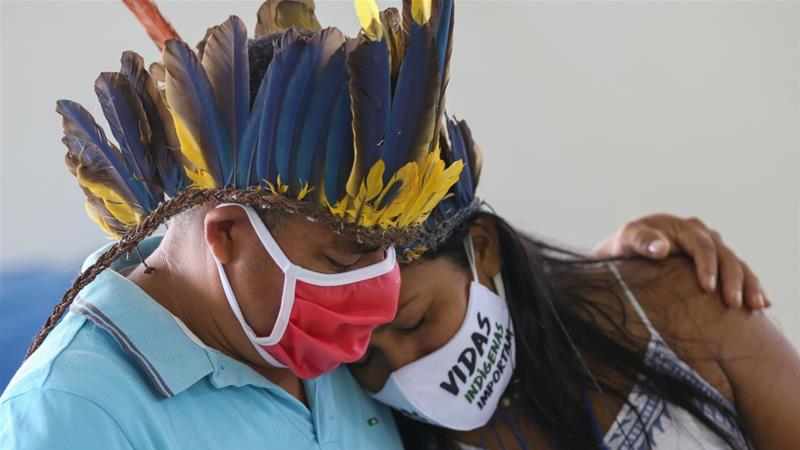
The pandemic has drastically impacted almost every corner of the world, and even isolated indigenous tribes in the Amazon have not been spared. Worse still, these communities have been some of the hardest-hit in the world.
Just as the Brazilian government fails to protect indigenous communities from being persecuted, they also fail to support them in the fight against COVID-19. According to figures compiled by the Articulation of Indigenous Peoples of Brazil (APIB), 717 indigenous people have died from the virus.
The government’s disinterest in protecting indigenous lives is represented in the stark death rate among indigenous peoples compared to the general Brazilian population. APIB’s statistics as of June 9 show that 8.8 percent of indigenous people who contract the virus are dying. That is almost twice as much as the rest of Brazil’s population.
César Muñoz of Human Rights Watch told The Globe Post that the disease specifically threatens natives due to “the high rate of respiratory diseases in indigenous peoples.” He continued to explain that, “when you have an outbreak in these very remote areas that have very limited resources, it’s no surprise that we have scenes with such high death tolls.”
This underlying condition is connected to the poor socio-economic status of many indigenous peoples and the lack of healthcare that is made available to them. In addition to their underlying health conditions, they also face the obstacles of living remotely and discrimination.
Remoteness has been one of the largest barriers for indigenous communities throughout the pandemic. As the virus continues to take its grip, NGOs such as Amazon Watch have tried to expand their assistance. Amazon Watch focuses on the protection of the Amazon and its indigenous peoples.
In an email to The Globe Post, Leila Salazar-López explained how the NGO is expanding its Amazon Defenders Fund to support the suffering communities. Additionally, Recinos explained that Amazon Watch delivers “oxygen concentrators, medical supplies, generations, hygienic materials, and food kits” to help the communities that lack access to healthcare and basic necessities.
As COVID continues to devastate the communities, the virus is being spread by illegal miners and loggers. In the Yanomami territory of the rainforest, for example, some 20,000 gold miners are operating illegally. This poses a deathly threat to the indigenous communities.
One of the communities facing the most danger in this region is the Moxihatëtëa. This tribe, which lives in voluntary isolation, is currently surrounded by mining in nearby rivers. The Moxihatëtëa stare down the barrel of becoming infected with the virus through the miners.
Before the Pandemic
Before COVID, the practice of illegal mining and logging already had deep roots in the Amazon. Organized crime units donned “rainforest mafias” freely take what is not theirs. Loggers seek and chop the extremely profitable ipê tree, then set fire to the land and utilize it for agriculture or cattle.
Meanwhile, miners seek the iron, manganese, and gold that lie beneath the rich soil. The mining leads to water pollution and encroaches on indigenous communities and protected land.
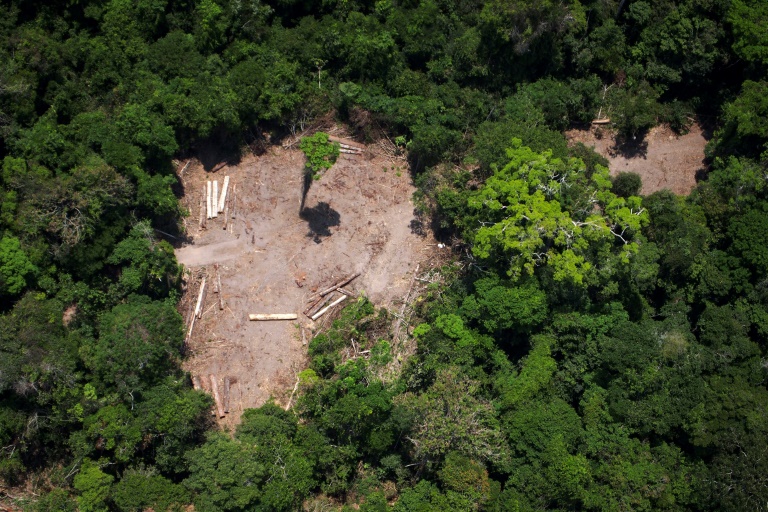
Illegal mining and logging increased with the 2018 election of President Jair Bolsonaro, a famously pro-profit president who refuses to protect the Amazon rainforest. His environmental and indigenous protection rollbacks have increased the persecution and deaths of natives.
Sarah Shenker of Survival International — an NGO that campaigns for the rights of indigenous, tribal, and uncontacted peoples — told The Globe Post that “President Bolsonaro has declared a war on reserves, indigenous peoples and uncontacted tribes.” She explained that “[indigenous rights] are undoubtedly high on his list of obstacles to profit.”
The mounting incidents and public fights have caused a deeper division between indigenous communities and the government.
ICC Complaint
The COVID-19 pandemic and lack of government response came to ahead when humanitarians and healthcare workers filed a complaint with the International Criminal Court against President Bolsonaro for his mishandling of COVID-19. Filed on July 27, the complaint has a dedicated section to the lack of support to indigenous communities throughout the pandemic.
In this section, the statement claims that Bolsonaro had the opportunity to sign a law that would provide critical support for the communities. However, as the complaint alleges, Bolsonaro instead, “vetoed numerous articles of the legislative initiative approved by the National Congress exposing, [indigenous] people to a situation of fragility.”
ICYMI: President Jair Bolsonaro was denounced before the International Criminal Court for inciting the "genocide of indigenous peoples" of Brazil and committing "crimes against humanity". #indigenousrights #TrumpOfTheTropics https://t.co/w9te46jpzs
— Amazon Watch (@amazonwatch) December 4, 2019
The complaint comes at a crucial time in which indigenous communities need support from the international community. Shenker of Survival International explained that gaining international coverage is critical to the survival of indigenous people. “We are ensuring that through social media, the press, and other means indigenous people’s own voices and demands are heard because they know best what they need.”
As the international community strives to find a solution for the ongoing pandemic, activists like Paulo Paulino Guajajara are fighting for their lives on the daily.