

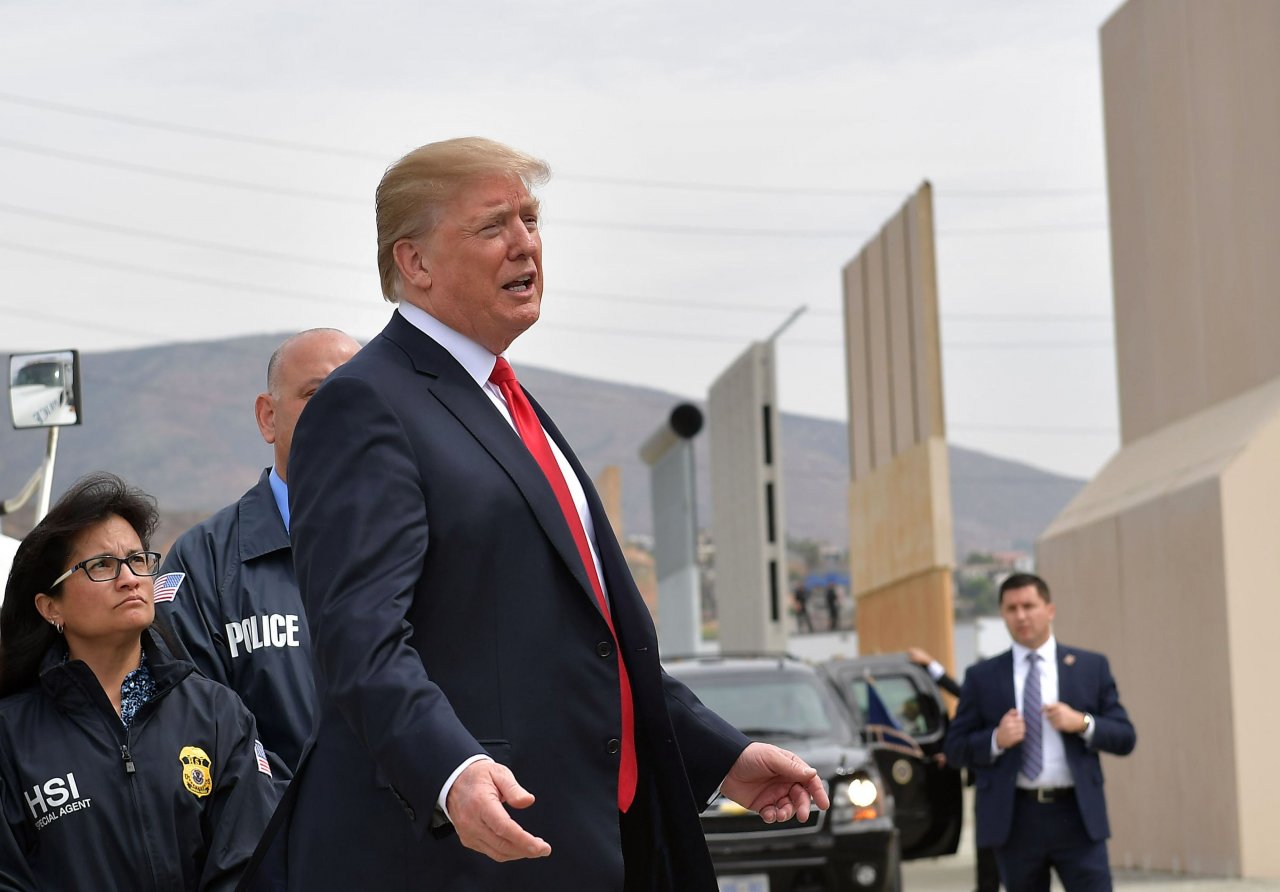
Last month, the Republican majority U.S. Senate passed a temporary funding bill to keep the federal government fully open at current spending levels. And last month, the Republican majority House of Representatives approved a temporary funding bill to keep the government fully open and included $5 billion to construct a border wall. Leaders in both chambers declined to vote on the other chamber’s bill, and as a result, the country is now undergoing the longest shutdown in its history.
House Democrats led by Speaker Nancy Pelosi passed another bill this month to re-open the federal government and spend an additional $1.3 billion on border security, but Republican Senate Majority Leader Mitch McConnell has said that he will not allow a vote on a bill that President Donald J. Trump won’t sign, despite support for a vote on the House bill from Senate Democratic leader Chuck Schumer.
Paying for Border Wall
Republicans historically market themselves as the party of fiscal responsibility. While that has rarely been proven in practice in recent decades – mostly due to their equal passion for tax cuts – the Democrats have seemed reluctant to push Republicans to explain how they will pay for the wall, focusing more on the uselessness or immorality of a large wall on the border with Mexico.
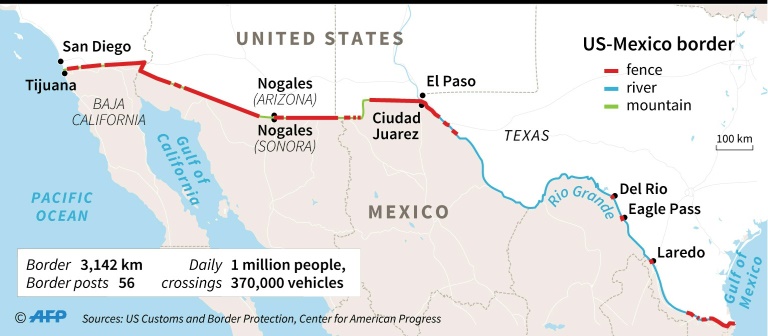
That reluctance probably relates to the Democrats’ own historic enthusiasm for large spending projects. The shutdown itself only adds to the long-term debt of the United States, as Congress has approved back pay to agency workers and officials.
Supporters of the wall need to offer a way to pay for that wall. What are the possibilities?
Mexico Pays
This was the solution Donald Trump offered all during his 2016 presidential campaign. He now says he never meant that.
Mexican government officials have made it clear that they won’t pay for the wall. President Trump says that his newly negotiated USMCA trade deal between the U.S., Mexico, and Canada will somehow pay for it through American economic growth, but none of the three involved countries has even approved the deal yet. Such revenue is speculative.
Chances that Mexico will pay: zero. Chances that USMCA will fund wall: low.
Raise Taxes
Raising taxes to pay for the wall wouldn’t fit the Republican brand. The large tax cuts enacted by Republicans in December may have provided a boost to the American economy in the past year, but they also caused the largest annual federal budget deficit since 2012 and may cause a deficit of over $1 trillion in the current fiscal year.
Chances that Republicans will raise taxes to pay for the wall: zero.
Cut Spending Programs
It is never popular for politicians to announce spending cuts, so where would Republicans cut to shift money into a new border wall with Mexico?
President Trump has not announced any specific spending cuts to pay for a wall, but his potential plans to declare a national emergency to fund a wall relate to shifting money from military construction programs or from disaster relief to wall construction.
Critics point out that something is not an emergency if it’s being discussed and pondered for months, and also point to the U.S. Supreme Court 1952 precedent of Youngstown Sheet & Tube v Sawyer. In that case, the court ruled that President Harry Truman had no emergency power to have the federal government seize steel mills due to a labor strike during the Korean War when Congress had expressly declined to give President Truman such authority.
Chances that Republicans will offer specific spending cuts to pay for the wall: low. Chances that Trump will declare national emergency: medium. Chances that the president’s national emergency declaration will get challenged in court: 100 percent.
China Lends Money
This is the most likely solution, as no one has yet offered a serious way to pay for the wall in advance, meaning that the U.S. will have to borrow the money and go further into debt to construct such a wall.
The U.S. national debt currently stands at almost $22 trillion, with over $1 trillion of that funded through U.S. bonds and securities held by the Chinese government.
Chances that the U.S. will borrow more money, partially from China, to fund any wall construction: high.
Save Costs from Immigrants
Undocumented immigrants, contrary to the opinion of many Americans, do not benefit from social security or welfare programs, and they do pay sales taxes on anything they buy and property taxes through their landlords on any rented homes.
Those undocumented immigrants do impose costs on American state and local governments for public education, emergency medical care, and prisons if crimes are committed. Taxes paid by undocumented immigrants may cover most or all of those costs.
If there are any cost savings in public education or local jails from building a wall, those savings mostly go to state and local governments, not the federal government who will be paying for the wall.
Chances that savings from the cost of undocumented immigrants will provide significant funding for a wall: low.
Save on Drugs
During his White House speech last week, President Trump said the cost of the wall would be funded through savings on $500 billion in illegal drugs.
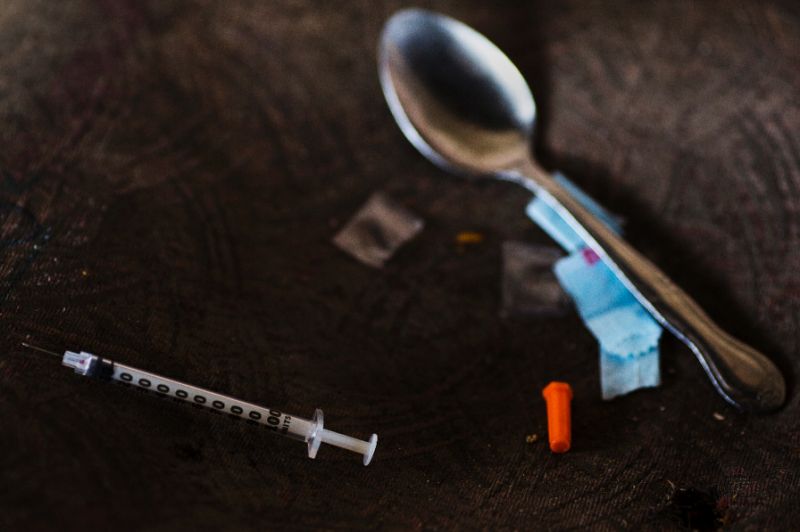
It’s not clear how cutting the scourge of illegal drugs, while beneficial to American society, would provide funding for a border wall. But more important, federal agencies all point out that most illegal drugs enter the U.S. through legal ports of entry in vehicles at official border crossings and sometimes through the mail. A border wall wouldn’t affect any of that.
Chances that wall will cut smuggling of illegal drugs: low.
Public-Private Partnership
This has long been an idea promoted by conservatives and Republicans who argue that the private sector does some things better than government agencies.
President Trump has a reputed fortune of $3 billion in assets. If we need a compromise on the wall to re-open the federal government, how about he offers his $3 billion in assets for his highest priority if the Democrats agree to match his funding for a border wall?
There could even be an agreement to name the edifice the Donald J. Trump Mexican Border Wall with a large mural of Trump painted across parts of the wall, so that future generations would always know who was responsible for its construction.
Chances that this compromise would work if anyone in Washington proposes it: highly dependent on whether President Trump will put his money where his mouth is.
But of the seven options, this is the only one that is both fiscally responsible and offers a true compromise. The question is now whether the president will use his dealmaking skills to make an offer that Schumer and Pelosi might consider.
Disclaimer: The views and opinions expressed here are those of the author and do not necessarily reflect the editorial position of The Globe Post.