
• About Us
  • Who Are We
  • Work With Us
Saturday, September 5, 2026
No Result
View All Result
The Globe Post
39 °f
New York
44 ° Fri
46 ° Sat
40 ° Sun
41 ° Mon
No Result
View All Result
The Globe Post
No Result
View All Result
Home Opinion

India is Cherry-Picking Citizens: Election Year Gimmick with Ominous Implications?

Malini Sur by Malini Sur
01/24/19
in Opinion
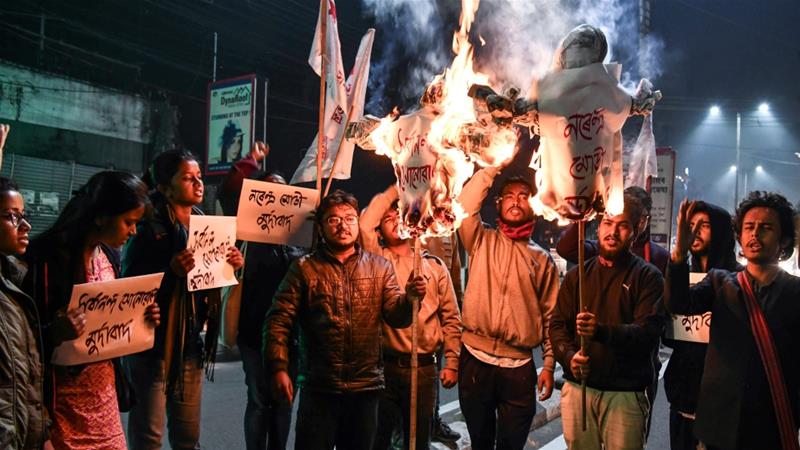
Protesters demonstrate last Wednesday in Assam state after India's lower house passed legislation granting citizenship to members of certain religious minorities, but not Muslims.

Protesters demonstrate in Assam state after India's lower house passed legislation granting citizenship to members of certain religious minorities, but not Muslims. Photo: Biju Boro, AFP

162
SHARES
Share on FacebookShare on Twitter

India’s recent citizenship law amendments allow the selective inclusion of non-Muslim minorities from the country’s Muslim majority neighbors Bangladesh, Pakistan, and Afghanistan. Hindu, Christian, Sikh, Parsee, Buddhist, and Jain immigrants from these three countries who entered India without the needed documents before 2014 will be conferred with permanent citizenship after six years of residency.
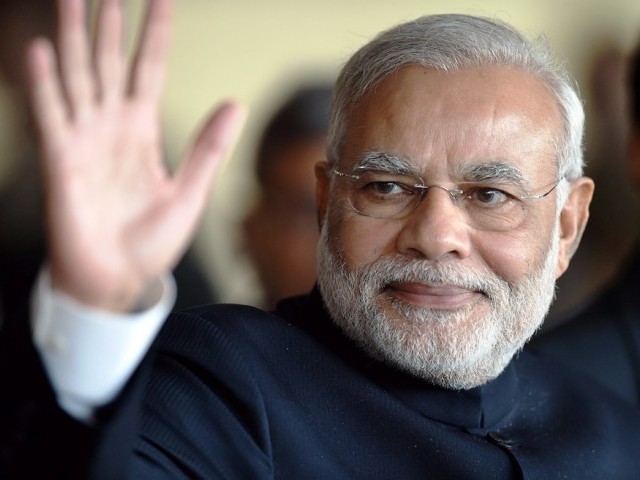
India's Prime Minister Narenda Modi
India’s Prime Minister Narenda Modi. Photo: AFP

Prime Minister Narendra Modi has artfully signaled India as a savior of “oppressed” minorities in South Asia and reengineered parliamentary democracy to serve his electoral agendas.

Modi’s rise and his fanning of nationalistic fires is close on the heels of global populism and the emergence of the far-right. Britain’s exit from the European Union, Donald J. Trump’s wall on the Mexican border, the rise of hardliners in Europe, and the coming to power of Jair Bolsonaro in Brazil are all illustrations of the same trend. They all call upon “nation building” as the strongest expression of segregation.

By invoking fears and demonizing specific immigrants, leaders instill in voters a deep rejection of secular values as foreign while simultaneously positioning the intellectuals as outdated left-liberal social justice warriors.

There is nothing new about national citizenship relying on selective inclusions and aggressive expulsions. This dual logic shows how nations have historically relied on the labors of undocumented migrants and refugees without granting them rights, as well as violently conquered land, delegitimizing those who originally resided on it.

Hindu Refugees

Yet, Modi’s offer to grant citizenship to approximately 31,000 immigrants within India is not a humanitarian gesture. It does not guarantee economic and cultural integration. India’s refugee-to-citizenship history reminds us that the country was hardly a sanctuary for refugees.

Even for the Hindu refugees who arrived following the 1947 partition of British India – a violent division that created a Hindu majority India and a Muslim majority Pakistan – no state in the Indian federation desired the resettlement of Hindu refugees on their land.

For decades, these people lived in squalid conditions in camps and squatted along railway lines and in the marshes on the fringes of Indian cities like Calcutta. The Indian state dispersed and controversially resettled people in remote islands.

Both state-led and refugee-initiated resettlements displaced Muslims and indigenous communities from their lands. The transformation of Hindu refugees into Indian citizens progressed alongside violent police action against protesting refugees and India’s aggressive deportations of Muslims to Pakistan, especially in the 1960s.

Portraying India as Country of Refuge

In portraying India as a refuge, Modi cleverly glosses over the country’s dismal human rights records towards its citizens. This includes the extremist Hindu groups’ attacks on and lynching of Muslims, as well as the rising atrocities against Hindu low-caste and indigenous populations.

Religious freedoms and the freedom of expression have declined. While reaching out to the Sikhs persecuted in Pakistan and sheltered in India, the Indian nation also forgets its own carnage against the Sikhs in 1984.

India’s new citizenship laws intentionally ignore the fact that when people resettle under distressing circumstances, they carry with them far more than only their religious identities. For instance, in the state of Assam in Northeast India, Hindu refugees from East Pakistan and later Bangladesh are still regarded as primarily Bengali instead of Hindu.

Modi’s actions of bringing “Delhi at the doors of the Northeast” have fuelled protests. In Assam, the new citizenship laws will push the existing threshold of legal immigration up. In seeking to bring Delhi closer to the geographically disconnected Northeast India, Modi seeks to impose the narrow Hindu-Muslim religious divide to Assam. This divide cannot capture Assam’s diversity and syncretic religions. There is no doubt that the government will continue to extend the year of arrivals for electoral gains.

Indian Muslims

In one masterstroke, Modi has cleverly whipped up the imagination of his India as a refuge for non-Muslims while subtly calling attention to Indian Muslims, who comprise 14.2 percent of the population.

His supporters surface in the virtual world, vociferously and dangerously demanding that Bangladesh, Pakistan, and Afghanistan should legislate a reciprocal arrangement and resettle Indian Muslims.

While all this can be dismissed as election-year gimmicks, the long-term implications are ominous. A second partition is something India can’t afford.

Disclaimer: The views and opinions expressed here are those of the author and do not necessarily reflect the editorial position of The Globe Post.

Share162Tweet
Malini Sur

Malini Sur

Senior Research Fellow at the Institute for Culture and Society and teaching anthropology at Western Sydney University, Australia

Related Posts

Protesters stand with placards in front of the statue of India's independence leader Mahatma Gandhi in Parliament Square, central London, after a demonstration outside the US Embassy
Featured

Considering the Patience of Gandhi for These Troubled Times

by Stephen J. Lyons
August 5, 2022
India hijab ban
World

Protests Over Classroom Hijab Ban Grow in India

by Staff Writer
February 7, 2022
Around 2,500 people die in lightning strikes around India each year. Photo: Rakesh Bakshi/AFP/File
Environment

Climate Crisis Triggers Spike in Lightning Strike Deaths in India

by Staff Writer
September 3, 2021
Taj Mahal
Lifestyle

Taj Mahal Reopens as India Eases Pandemic Restrictions

by Staff Writer
June 16, 2021
Covid-19 in Brazil
Featured

No Pandemic End in Sight With Raging Outbreaks in India, Brazil

by Staff Writer
May 1, 2021
Rescue workers search for survivors in the debris of a collapsed building in Mahad, India on Tuesday. AFP
World

‘Like a House of Cards:’ Building Collapses in India, Killing 11

by Anya Ruppert
August 26, 2020
Next Post
Venezuelan opposition activists clash with the police during a protest against the government of President Nicolas Maduro on April 6, 2017 in Caracas

UN Chief Urges Dialogue in Venezuela to Avert 'Disaster'

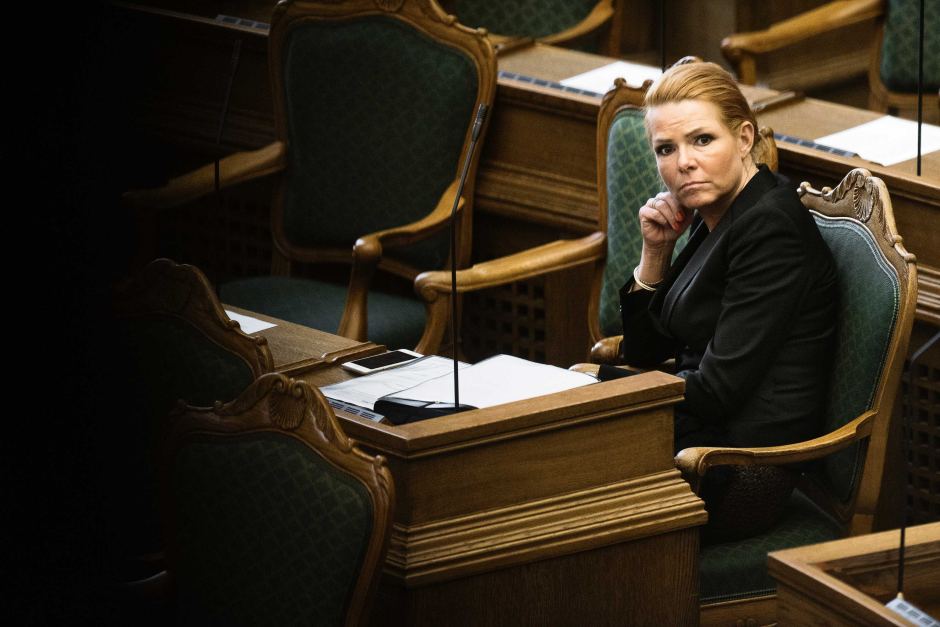
Denmark's Minister of Immigration and Integration Inger Stojberg listen to the debate in parliament.

Denmark Seizes 25,000 Euros from Migrants Over 3 Years

Recommended

The Fnideq (Morocco) - Ceuta (Spain) fence, located in northern Africa, is one of the main borders used by people on the continent to try to immigrate to the European Union. In September 2024, a massive attempt to cross the fence occurs, and the Moroccan police push back hundreds of people who head towards the Spanish exclave. In 2024, Spain receives 46,000 migrants.

Thousands Cross Into Spain’s North Africa Enclave in New Migrant Crisis

July 31, 2026
An armed Iranian police officer holding a rifle monitors the area as motorcyclists ride beneath a billboard depicting an AI-generated image of the Strait of Hormuz and an effigy of US President Donald Trump, displayed on the wall of a state building in downtown Tehran, Iran, on May 3, 2026.

US, Saudi Strike Iraq Alliance in Expanding War

July 29, 2026
Germany, Berlin, 26 july 2026, Gathering in tribute to the victims and all those affected by the attack on the 2026 CSD (Christopher Street Day/Pride) event, held at Pariser Platz.

Berlin LGBTQ Community Fears Far-Right ‘Exploitation’ of Pride Attack

July 27, 2026
AI chatbot applications.

Trump Under Pressure From All Sides Over Chinese AI Surge

July 24, 2026
Protesters gathered to condemn the detention of opposition leader of parliament, Rahul Gandhi, during a protest in New Delhi.

India Student Protests Keep Up Pressure on Modi Government

July 22, 2026
A southern Yemeni separatist fighter waves his rifle at the site of an anti-government protest in the port city of Aden, Yemen January 30, 2018.

Yemen’s Iran-Backed Houthis Announce Maritime Blockade of Saudi Arabia

July 20, 2026

Opinion

A Cuban street with a flag

Cuba Through a Pulse: Intimacy, Poverty, and the Shadow of Revolution

March 10, 2026
An Iranian walking in front of a wall painting of the Iranian flag in Tehran

Iran Can’t Dominate the Middle East Without Iraq

January 13, 2026
US President Donald Trump

Vladimir Trump and Blood for Oil

January 5, 2026
A trial COVID-19 vaccine

America’s Global Health Retreat Is a Gift to Its Rivals

November 12, 2025
Israeli Prime Minister Benjamin Netanyahu

UN Might Tolerate Netanyahu, and White House Might Welcome Him, But He’s Still Guilty of Genocide

September 30, 2025
Former President Donald Trump speaks at a Fox News Town Hall

Cruelties Are US

August 25, 2025
Facebook Twitter

Newsletter

Do you like our reporting?
SUBSCRIBE

About Us

The Globe Post

The Globe Post is part of Globe Post Media, a U.S. digital news organization that is publishing the world's best targeted news sites.

submit oped

© 2018 The Globe Post

No Result
View All Result
  • National
  • World
  • Business
  • Interviews
  • Lifestyle
  • Democracy at Risk
    • Media Freedom
  • Opinion
    • Editorials
    • Columns
    • Book Reviews
    • Stage
  • Submit Op-ed

© 2018 The Globe Post