

Rosalia first entered the United States in December 2017, just a year shy of President Donald J. Trump’s election and just two years before his recent promise to make asylum much harder to get. Rosalia had left her 10 and 12-year-old daughters, family, and everything she knew behind in her home country El Salvador.
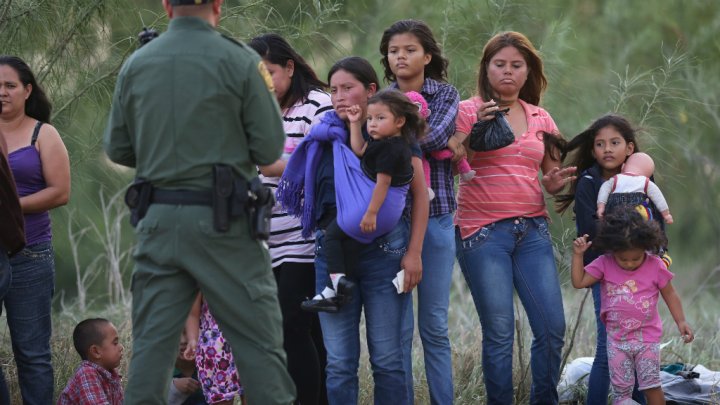
Rosalia left her mother’s home a month before entering the United States. She made the dangerous 2,000-mile trek to Texas by foot with her 3-month-old son in hand, joining the ranks of what the U.S. Citizenship and Immigration Services reports as the highest spike of individuals from El Salvador, Guatemala, and Honduras seeking affirmative asylum. Many of them claim to be fleeing gang-based violence and crime which indiscriminately dominate the urban and rural areas of Central American countries.
Domestic Violence
Rosalia, however, was fleeing her own horrors. For years, her ex-husband Manuel had routinely raped, beat, and abused her since the infancy of their relationship, all the way to its bitterly prolonged end.
Rosalia had made several attempts to escape from this domestic violence but to no avail. In a country smaller than Massachusetts, there are few places to hide, fewer places that can offer refuge, and even fewer people willing and able to help with “petty crimes” such as domestic violence. This is even more the case when the perpetrator is part of the violent street gang MS-13 and protected by an absolute promise of vengeance for crossing their membership.
https://www.youtube.com/watch?v=n3sbj0VV1Yc
Rosalia first entered the relationship with Manuel back in 2012, when she was only 15 years old while he was ten years her senior. They were both residents to a small agricultural village north of the capital, a place that was not yet gripped with violence as much as the rest of the country, but that lacked legal impunity and police authority all the same. Rosalia would learn this ugly truth firsthand.
House of Horrors
When Rosalia speaks about the very beginning of the viciousness in her relationship, she does so through broken whispers and heavy tears, still reeling from the years of trauma she underwent.
She tells me about how Manuel would force her to grind corn at odd hours in the morning, slapping her awake with the butt of his handgun and laughing it off with an alcohol-soaked breath that would engulf the cold morning air.
She tells me about how she was not allowed to answer the phone at home, get a job, or even finish school.
She tells me about the time he raped her only hours after giving birth to their first daughter, ripping the stitches from the C-section that was needed to bring their gift into this world.
When she would report these incidents to the authorities of her hometown, she would get laughed at and escorted back to her own house of horrors. But she suffered through this dreadful period with courage very few Westerners ever have to muster, mostly because Manuel promised to kill her and her mother if she would ever dare to leave him or the country.
So, what forced Rosalia to leave in 2017? Manuel was now threatening to kill her newborn son, the biological child of a partner who was not him. She knew he would live up to these threats and had no choice but to leave El Salvador.
Asylum in the United States
This story is hardly unique to Rosalia and strikingly similar to many other women who are victims of domestic violence and gender-based violence in El Salvador. For these victims, with few life skills, little resources, and sparse socials connections to survive on their own, leaving El Salvador is hard. When they arrive in the United States, these women have virtually zero material evidence to support their claims of victimization and lack of government intervention back home.
Aida fled domestic violence in El Salvador and rebuilt her life in America.
She avoided criminal trouble, applied for asylum and in Sep. gave birth to a boy.
In November, ICE arrested her and has kept her detention since. She’s seen her baby twice.https://t.co/8ONq8KL5nZ
— Hamed Aleaziz (@Haleaziz) January 27, 2019
Rosalia had only fleetingly heard of what asylum was. She thought U.S. authorities and a shining city upon a hill would take her and her son in with open arms. She knew America for its vibrant immigrant past and thought the U.S. would be where she would finally find safety for herself and her son. She did not know that the times were vastly different now.
Although American immigration laws have never been particularly sympathetic to the plight of the immigrant, the beginning of Trump’s presidency saw a hostile and radical shift in rhetoric and enforcement from his predecessors.
Saber rattling around undocumented criminals and the damage they cause to the national economy fueled much of the fiery zeitgeist that would go on to define Trump’s election, his presidency, and his supporters rallying cries. These cries would feed back into further escalating the humanitarian crisis at the Southern border, by restricting officials who process the claims of asylum, threatening those who enter without inspection with detention, and by violent rhetoric which turns these asylum seekers into fraudulent liars seeking a benefit. Trump, his staff, and predecessors have a direct fault in fracturing this system.
Asylum Process and Burden of Proof
The asylum process has never been fast, nor has it ever been easy. Gaining asylum now is harder, with an overburdened court dealing with a backlog of cases.
Like the criminal justice system where the prosecution must prove a defendant is guilty beyond reasonable doubt, immigration and asylum law are similar, but insidiously reversed.
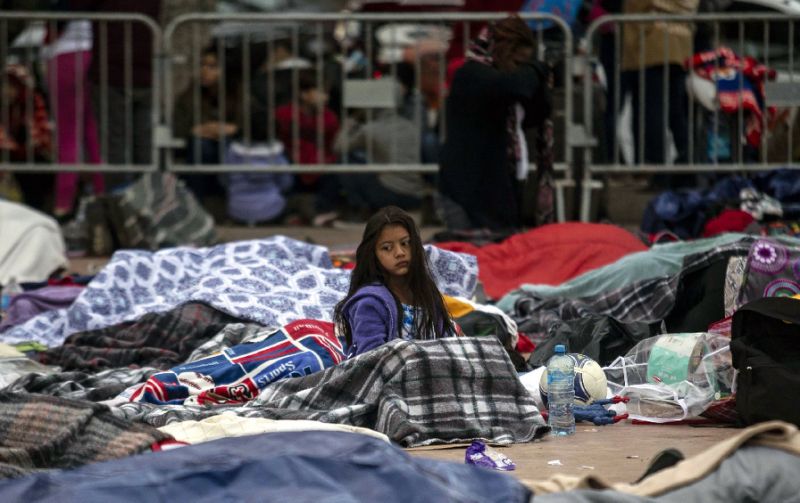
As an asylum seeker, the burden of proof is entirely yours, and you must provide the evidence of victimization to support your claims. It is your job to tell the traumatic stories of your past to strangers and officials who are instructed to assume you are dishonest. It is your job to bare it all for a second chance at life.
US Immigration Limbo
To this day, Rosalia is still in removal proceedings, and her fate is yet to be decided, much like the thousands of other asylum seekers stuck in U.S. immigration limbo.
U.S. asylum applies to any migrant who has a well-founded fear of persecution “on account of race, religion, nationality, membership in a particular social group, or political opinion.” Those fleeing gender-based violence do not easily fit into these groups.
Nevertheless, U.S. immigration judges have interpreted this law to apply to any migrant who demonstrates “well-founded fear of persecution” within the standards described above, much like Rosalia has through her own testimony and the scars she bears.
Due Process
Although many Central Americans are fleeing similar situations, there’s a vast difference in how their cases are decided, depending on who the judge is and what evidence victims have to corroborate their claims.
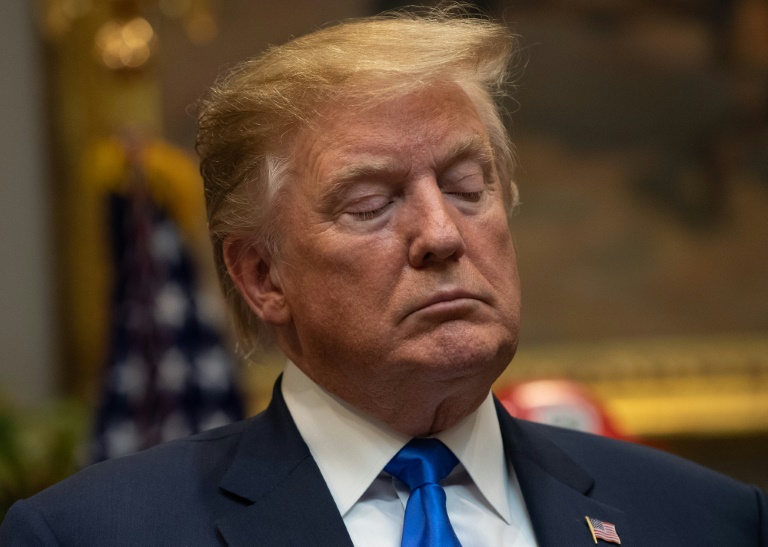
The concept of asylum was created to save lives of those in danger, not to endanger them further by locking them up in cages or by making their due process more of a blessing than a norm. The concept of due process is foundational to our nation’s judicial system, and it is a concept we should protect across the board and border.
Making asylum harder to get does not protect America; it endangers its foundational judicial underpinnings. Perhaps when everything is fake news, even our victims’ stories are a little harder to believe.
Rosalia’s story is a vignette based on 30+ asylum clients the author worked with.
Disclaimer: The views and opinions expressed here are those of the author and do not necessarily reflect the editorial position of The Globe Post.