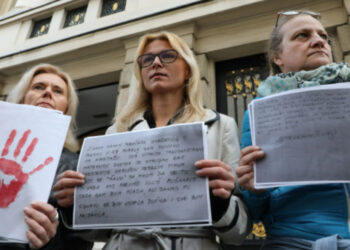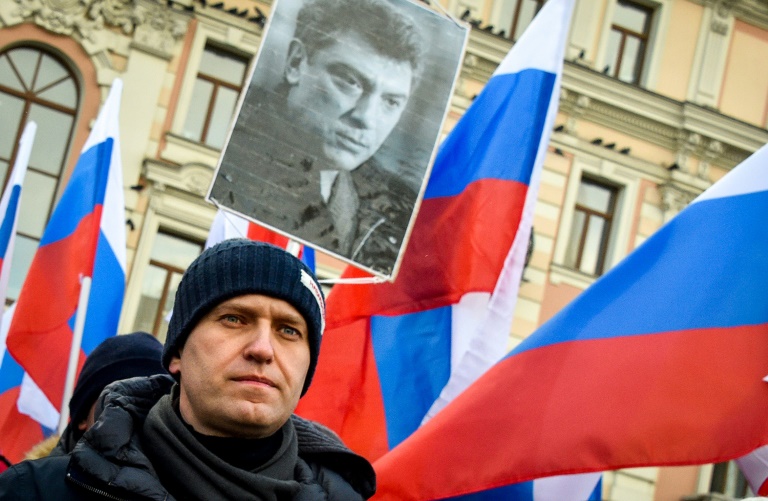



Hundreds of people took to the streets of Bosnia and Herzegovina’s capital Sarajevo last month after a video aired showing the head of the country’s top judicial body negotiating a bribe. The protests are just the latest display of citizens’ disillusionment and exhaustion with the country’s state of affairs, the prospects for institutional and legal reform, and the nepotist and corrupt practices that affect not only the judiciary but most of Bosnia’s administrative system.
In this latest episode, the reason for protest was Milan Tegeltija, head of the High Judicial and Prosecutorial Council (HJPC). The HJPC, created in 2004 with the international community’s assistance, is an independent judicial body in charge of appointing, dismissing, and overseeing the work of Bosnia’s judges and prosecutors.
The HJPC has been losing credibility and legitimacy and is recognized for corrupt and nepotist practices where officials are appointed on grounds of family, friends, and political connections. This adds to ongoing concerns prevalent since the early reconstruction years when pre-war officials were replaced with untrained and inexperienced political appointees.
The lack of a merit-based system for staff appraisals in the judiciary, together with lack of accountability which sees almost no consequences when judges and prosecutors fail to fulfill their duties, has taken its toll on citizens. Bosnians have turned to protests as an outlet for concerns with lack of transparency, impartiality, and efficiency of the judiciary.
Endemic Problems of Bosnia’s Judiciary
In the latest protests, demonstrators demanded Tegeltija’s immediate resignation, displaying banners calling for justice while shouting, “we want the truth.” Bosnia’s Minister of Security Dragan Mektic called for overthrowing the HJPC for what he deemed as criminal actions, requesting the need for an honest, fair, independent, and professional judiciary. Mektic denounced that without justice, there could be no development, stability, or security in Bosnia.
Mektic compared Telgetija’s incident with the scandal of Austrian politician Hanz-Christian Strache, who was filmed while making a deal with a relative of a Russian oligarch. Mektic insisted that while in Austria the scandal led to various politicians resigning, in Bosnia no such thing would happen.
This controversy illustrates an endemic problem affecting Bosnia’s judiciary: the government and politicians blame and punish the country’s politicized and inefficient judiciary, yet have no intentions of eliminating the political manipulation that constrains judges and prosecutors and impedes the establishment of an independent branch of a lawful state. This hinders the rule of law.
Political parties have constantly maintained tight control of the judiciary by appointing their own judges when replacing corrupt ones, often contesting as insulting the prospects of foreign judges, ensuring that their influence over the distribution of justice remains untouched.
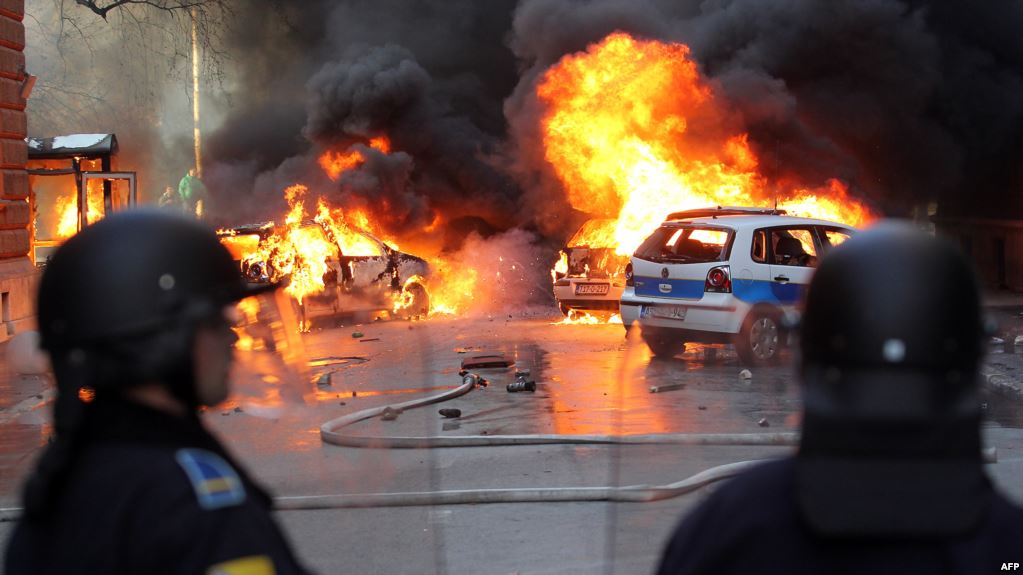
Bosnians are growing increasingly frustrated with this ongoing situation. In 2014, the country witnessed the rise of anti-government protests labeled the “Bosnian Spring,” which saw the appearance of democratic plenums denouncing corruption in the government and sparking episodes of violence in Tuzla, Mostar, and Sarajevo.
Other notorious demonstrations were those of Davor Dragicevic and Muriz Memic, two Bosnian fathers protesting for the unresolved deaths of their sons. They both supported the recent protests. In particular Dragicevic denounced how under Tegeltija’s leadership, the HJPC would not resolve his son David’s mysterious death.
International Reaction to HJPC’s Misfunctioning
In response to the latest revelations concerning Tegeltija and the HJPC, the E.U., U.S., and OSCE delivered a joint letter outlining serious concerns about the HJPC’s work, which proves to be a barrier to Bosnia’s rule of law and justice provision. They highlighted concerns about favoritism and inconsistencies in the way prosecutors and judges were appointed. They warned the HJPC that if such incidents continue to delay reforms to improve the rule of law, it will affect international funding and assistance for the HJPC.
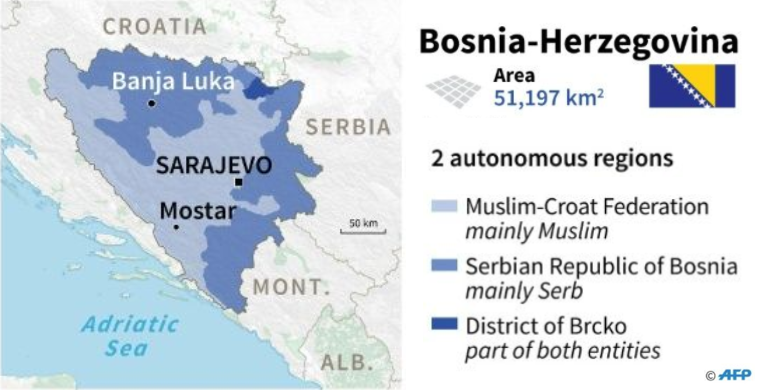
Such warning adds to the E.U.’s concerns regarding Bosnia’s constitutional framework and institutional inability to meet European standards. In its 2019 opinion on possible membership, the E.U. reiterated its call for Bosnia to reform institutions and improve the electoral framework and the judiciary’s functioning. The E.U. has called for the need to strengthen the prevention and fight against corruption, implement a much-needed public administration reform, and to improve the protection of fundamental rights of Bosnian citizens.
Valentin Inzko, the E.U.’s High Representative to Bosnia-Herzegovina, has denounced how these scandals undermine the integrity of the judicial system.
Transparency International also expressed its concern with the corruption scandal. It called for an examination of the parties involved and the verification of the integrity of members of the HJPC, reminding the public of the various complaints the organization has made regarding constant violations of the Code of Ethics and Law on HJPC as well as the presence of political influence on the judiciary.
Bosnia’s Reforms
The establishment of the HJPC was part of a major judicial reform process in 2004 at the request of the E.U. as a requirement for negotiating the Stabilization and Association Agreement.
Yet, the expected effects of such reform have been blocked by a range of problems such as lengthy judicial processes and the lack of transparency and independence of the judicial system. Institutional fragmentation, the lack of harmonization between different laws, and corruption represent a challenge for efficient judicial reform in Bosnia-Herzegovina.
The country needs to adopt a new judicial strategy, one that guarantees a transparent choice of judges and prosecutors and their promotion, introduces tighter sanctions to corrupt practices, and provides a better oversight over the way judges and prosecutors are appointed.
Disclaimer: The views and opinions expressed here are those of the author and do not necessarily reflect the editorial position of The Globe Post.